US Weighs Tariffs on Brazilian Goods Amid Trade Dispute
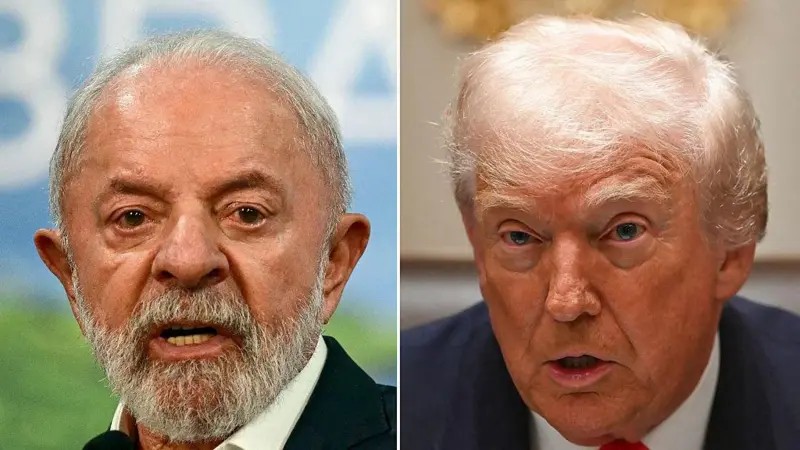
The United States Trade Representative (USTR) is set to announce a final decision on potential new tariffs against Brazilian products by Wednesday, November 15th. This investigation, initiated under Section 301 of the US Trade Act, could impose additional duties on Brazilian exports, sparking a significant trade dispute between Brasília and Washington. The USTR is considering two distinct tariffs: a 12.5% surcharge on goods from over 60 countries, including Brazil, alleging insufficient measures against forced labor-produced items, and a separate 25% tariff specifically targeting Brazilian products. The latter is based on claims that Brazil's practices unfairly burden or restrict trade with American companies. The investigation, launched nearly a year prior, identified several areas of concern, including Brazil's PIX payment system, digital platform regulations, preferential trade agreements with countries like Mexico and India, illegal deforestation, the ethanol market, intellectual property protection, and anti-corruption measures, with the USTR deeming some Brazilian policies "irrational" or "restrictive."
Brazilian economic sectors and industry representatives actively participated in public hearings and submitted written arguments against the proposed tariffs. Key entities such as the National Confederation of Industry (CNI) and the Confederation of Agriculture and Livestock of Brazil (CNA) argued that the measures would harm both Brazilian and American economies, raising costs for US consumers and supply chains reliant on Brazilian goods. Senator Flávio Bolsonaro also independently participated in a hearing, advocating for a delay in tariff implementation to allow for further negotiations. The Brazilian government has pursued a dual strategy of formally contesting the USTR's arguments, asserting that domestic policies like PIX and judicial decisions are internal matters and not grounds for trade measures, while simultaneously maintaining diplomatic and technical negotiation channels with the US.
This trade dispute highlights the complex interplay between national regulatory autonomy and international trade agreements, particularly under the framework of Section 301 of the US Trade Act. The US action reflects a broader trend of leveraging trade policy to address perceived unfair practices, digital economy governance, and supply chain integrity, moving beyond traditional tariff disputes. Brazil's defense centers on the principle that domestic policies, even those impacting foreign entities, should not automatically trigger retaliatory tariffs, emphasizing the need for evidence of direct trade harm. The situation underscores the evolving landscape of global commerce, where issues like digital payments, platform regulation, and environmental standards are increasingly becoming points of trade contention. Future trade relations may require more nuanced dispute resolution mechanisms that account for these diverse national policy objectives alongside global market access principles.
AI-generated to prompt reflection — not editorial opinion, not advice, not a statement of fact. How this works.