US Withdraws Majority of Troops from Nigeria After Counter-Terrorism Conference
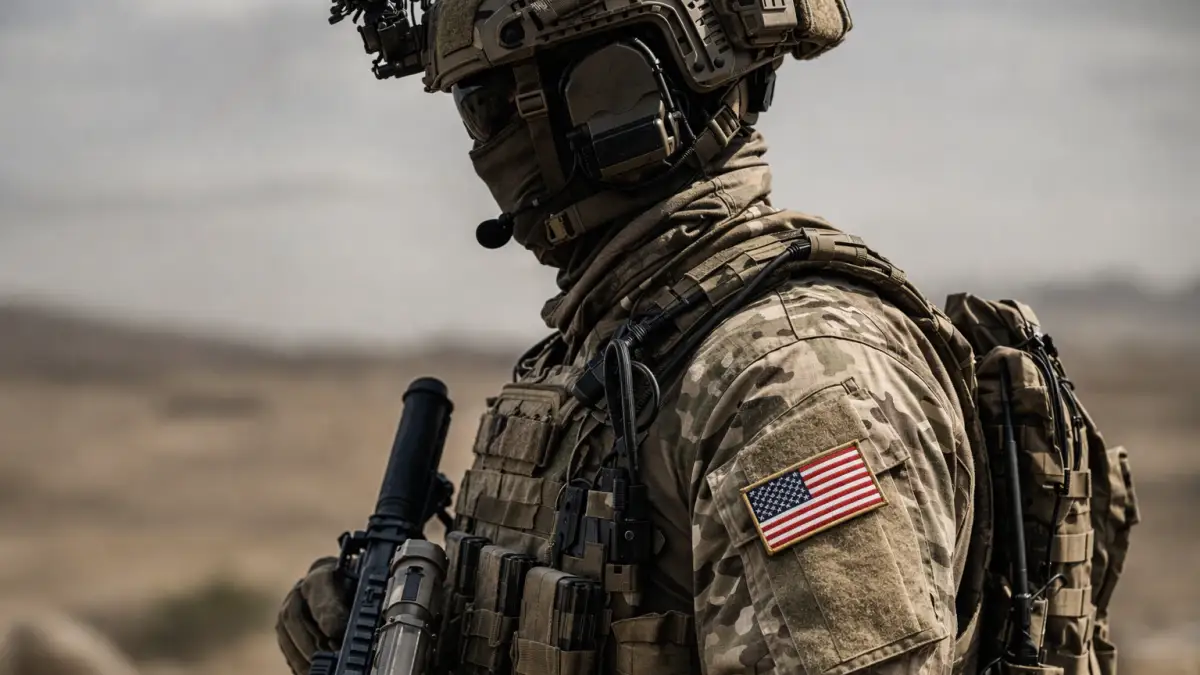
The United States is significantly reducing its military presence in Nigeria. Following the 2026 African Chiefs of Staff Conference, the U.S. military command announced the withdrawal of most soldiers deployed for a joint counter-terrorism operation in the Lake Chad Basin. This move marks a notable shift in American military engagement in the region. The specific number of troops being withdrawn and the exact timeline for the withdrawal were not detailed in the initial announcement. The operation aimed to combat terrorist groups operating in and around the Lake Chad area, a region that has faced persistent security challenges. The U.S. military has been a partner with Nigerian forces in these efforts for several years. This decision comes amid a broader re-evaluation of global military deployments by the United States. Further details on the implications for the counter-terrorism efforts and future U.S. security cooperation with Nigeria are expected.
The U.S. military's decision to withdraw the majority of its troops from Nigeria, following the African Chiefs of Staff Conference 2026, suggests a potential recalibration of American foreign policy priorities and resource allocation. This strategic adjustment may reflect evolving threat assessments or a shift towards different forms of engagement, such as intelligence sharing or non-kinetic support. The withdrawal could create a vacuum in counter-terrorism capabilities, potentially impacting regional stability and necessitating increased self-reliance from Nigerian and partner forces. Future U.S. involvement might pivot towards more targeted operations or diplomatic initiatives, emphasizing sustainable security solutions rather than direct troop presence. The long-term effectiveness of counter-terrorism efforts in the Lake Chad Basin will likely depend on the adaptability of local forces and the continued commitment of international partners to address the complex socio-economic and political drivers of extremism.
AI-generated to prompt reflection — not editorial opinion, not advice, not a statement of fact. How this works.