US World Cup Marred by Immigration Policies and Trump's Alleged Interference
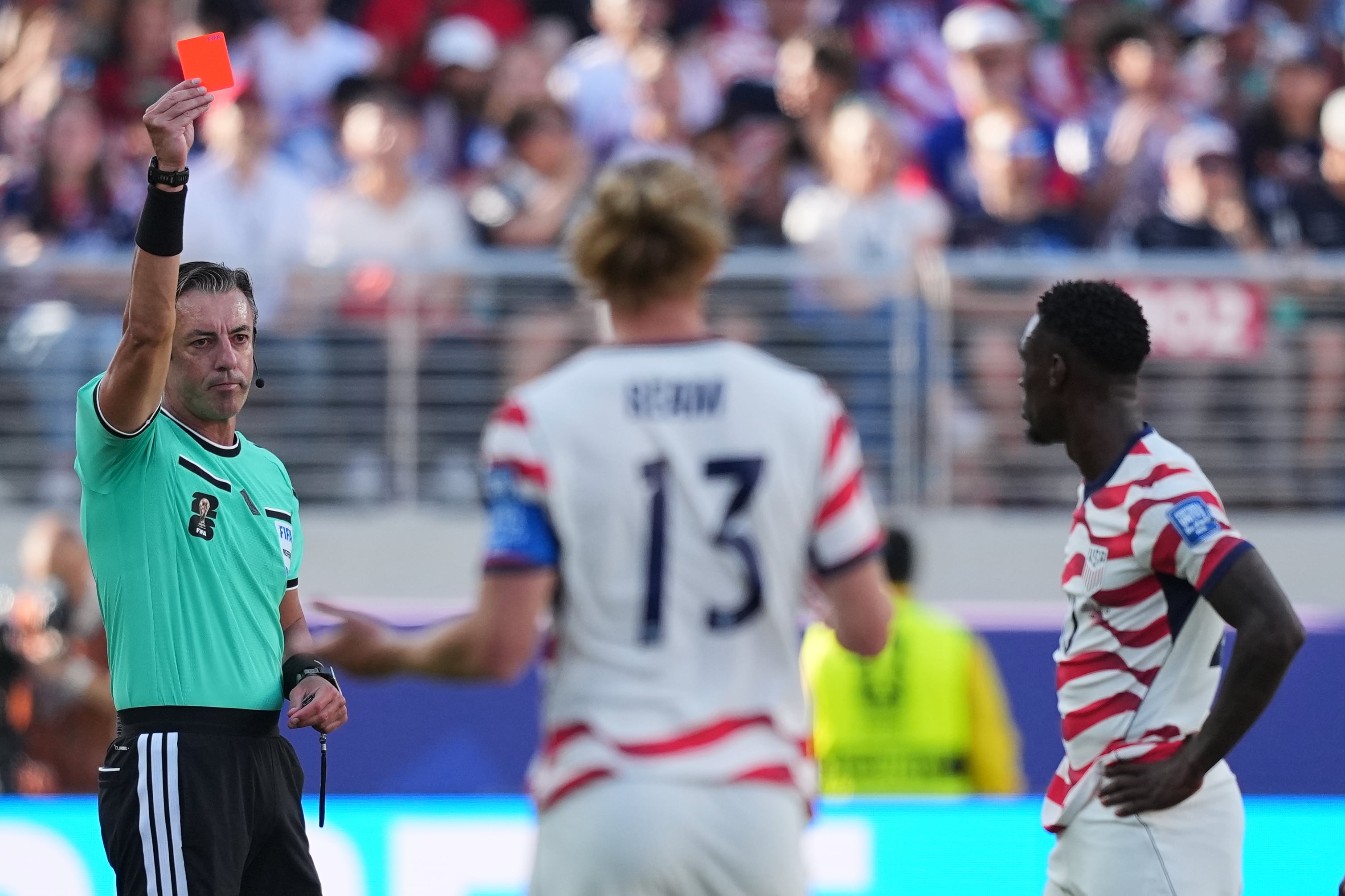
The 2022 FIFA World Cup, held in the United States, was overshadowed by controversies surrounding the nation's immigration policies and alleged interference by then-President Donald Trump in the case of player Balogun. Despite the notable performances on the field, the tournament's reputation was impacted by these external issues. Reports suggest that the US approach to immigration and deportations created a tense atmosphere. Furthermore, the close relationship between FIFA President Gianni Infantino and the US administration was scrutinized. The alleged involvement of President Trump in the Balogun case raised questions about political influence within the sport. These incidents cast a shadow over what was otherwise a successful event in terms of athletic competition. The controversies highlight the complex intersection of international sports, politics, and immigration.
The 2022 World Cup's controversies highlight the increasing entanglement of global sporting events with national political and social agendas. The alleged interference in player cases and the impact of immigration policies suggest a need for clearer protocols to insulate sports from political pressures, ensuring fair play and equitable treatment for all participants and attendees. Future sporting bodies may need to proactively address geopolitical sensitivities and human rights considerations to maintain their global legitimacy and prevent reputational damage. The event underscores the evolving landscape where national interests can significantly influence international platforms, demanding greater transparency and robust governance frameworks.
AI-generated to prompt reflection — not editorial opinion, not advice, not a statement of fact. How this works.