US World Cup: The Most Political in History?
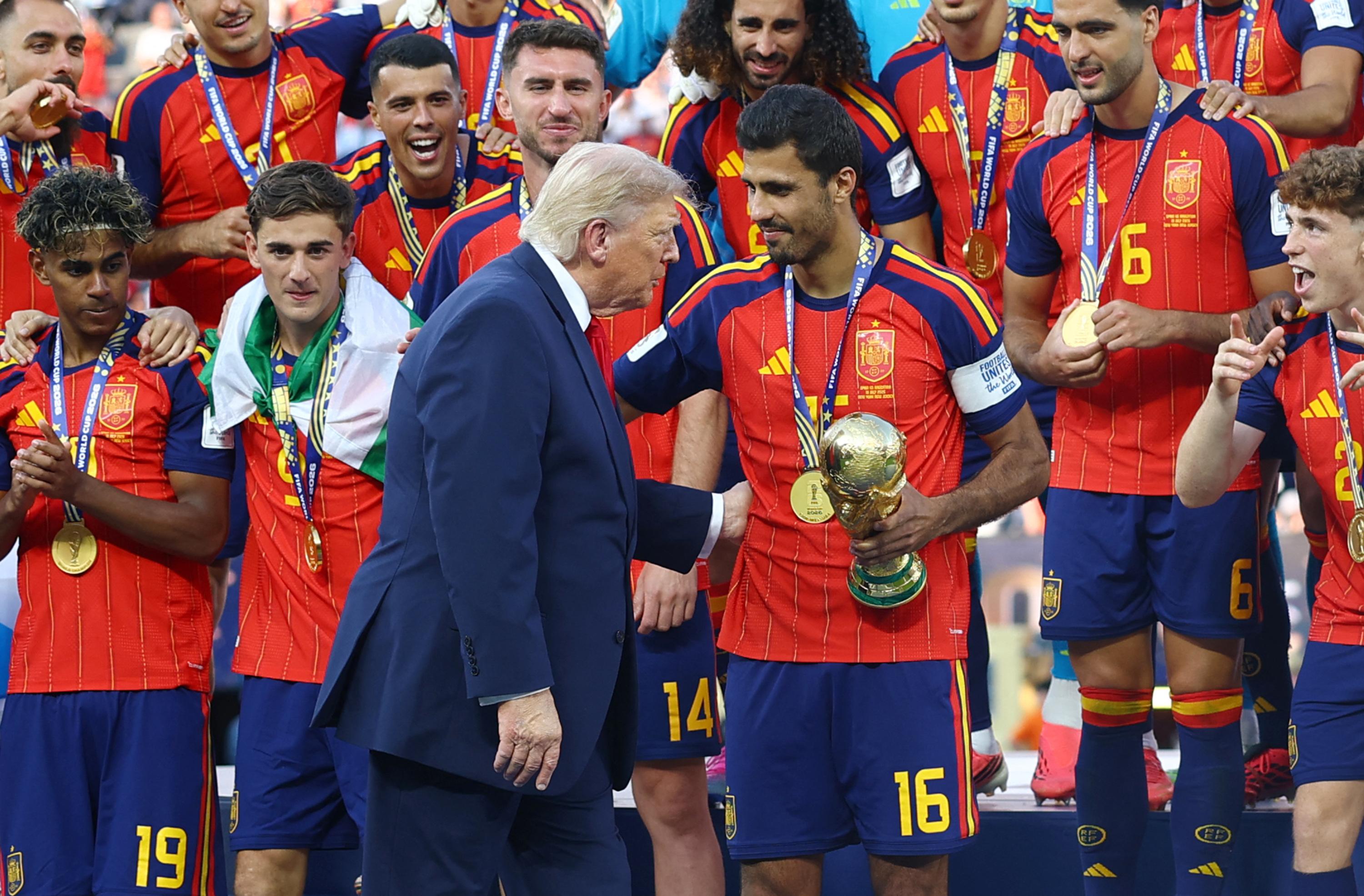
The 2026 FIFA World Cup, set to be co-hosted by the United States, Canada, and Mexico, is being questioned as potentially the most political in history. While the current US President has largely remained out of the spotlight during major sporting events, an incident involving former President Donald Trump and the FIFA president regarding a canceled red card suggests a precedent for political interference. Despite this, the tournament is expected to be a significant popular success in the United States. The article hints at a broader trend of politicization in international sports, where geopolitical considerations and national interests can heavily influence outcomes and participation.
The potential for political influence in major international sporting events like the World Cup is a recurring theme. Geopolitical tensions, nationalistic sentiment, and the economic leverage of host nations can all shape the narrative and operational aspects of such tournaments. While sporting bodies aim for neutrality, the intersection of global politics and sports is often unavoidable, presenting challenges for maintaining fair play and apolitical competition. Future events will likely see continued scrutiny of these dynamics, as governments and organizations navigate the complex interplay between sports diplomacy and national interests in an increasingly interconnected world.
AI-generated to prompt reflection — not editorial opinion, not advice, not a statement of fact. How this works.