USB 3.0 vs. USB 2.0: Understanding the Differences and Choosing the Right Port
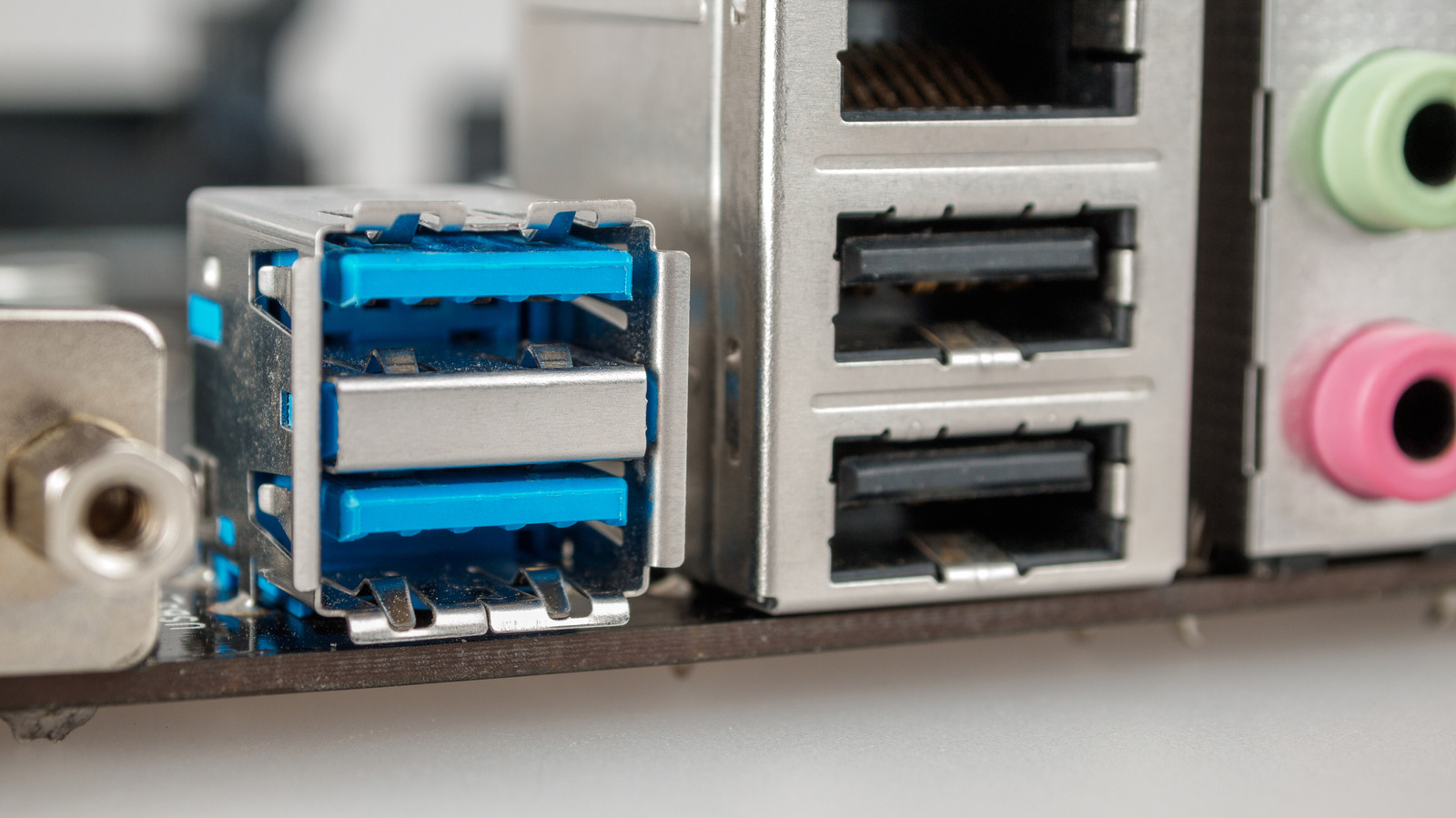
While USB 3.0 and USB 2.0 ports may appear physically identical, there is a significant difference in their data transfer speeds. USB 3.0, also known as USB 3.1 Gen 1 or USB 3.2 Gen 1, offers a substantial speed upgrade over its predecessor. It supports theoretical speeds of up to 5 Gigabits per second (Gbps), which is about ten times faster than the maximum theoretical speed of USB 2.0. USB 2.0, on the other hand, has a maximum theoretical speed of 480 Megabits per second (Mbps). This speed difference is crucial for tasks involving large file transfers, such as moving videos, photos, or system backups. When choosing between the two, the primary consideration is the intended use. For everyday tasks like connecting a mouse, keyboard, or basic external hard drives, USB 2.0 is often sufficient. However, for activities demanding higher bandwidth, such as using high-speed external SSDs, transferring large media files, or connecting high-resolution displays via USB-C, USB 3.0 or newer versions are highly recommended to avoid performance bottlenecks. Identifying the port is usually possible by looking for the blue plastic inside the connector on USB 3.0 ports, though this is not always the case.
The evolution of USB standards, exemplified by the jump from USB 2.0 to USB 3.0, highlights a persistent technological challenge: backward compatibility versus performance enhancement. While the physical ports often remain the same to ensure user convenience and reduce e-waste, the underlying technology dictates vastly different capabilities. This creates a user experience dichotomy where identical-looking ports yield dissimilar results. As data demands continue to escalate with richer media and more complex applications, the industry faces ongoing pressure to balance the cost of implementing faster standards with the market's expectation of seamless upgrades. Future iterations will likely continue to refine speed and power delivery, but the fundamental trade-off between legacy support and cutting-edge performance will remain a key consideration in consumer electronics design and adoption.
AI-generated to prompt reflection — not editorial opinion, not advice, not a statement of fact. How this works.