USB4 Cables: Understanding When Higher Prices Are Justified
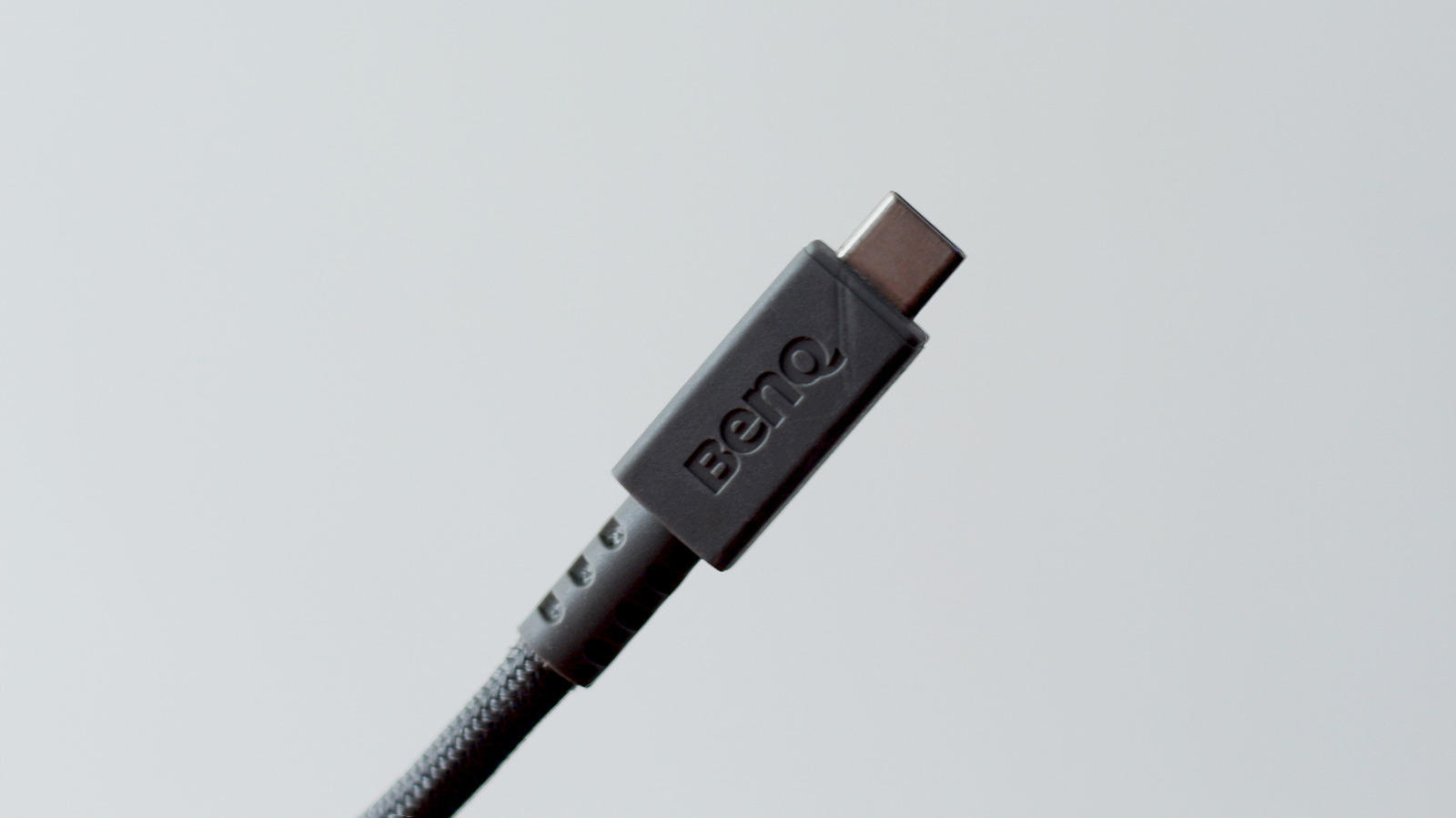
USB4 cables offer capabilities beyond simple fast charging, making their higher price point potentially worthwhile for specific applications. These advanced cables support higher data transfer speeds, enabling quicker file transfers and smoother operation of demanding peripherals. They are also crucial for driving higher resolution displays, such as 8K monitors, and for powering multiple high-bandwidth devices simultaneously through a single connection. The increased bandwidth of USB4 is particularly beneficial for professionals working with large datasets, video editors, and graphic designers who require rapid data throughput. Furthermore, USB4's versatility extends to supporting Thunderbolt 3 devices, offering backward compatibility and enhanced functionality for users invested in that ecosystem. While standard USB-C cables suffice for basic charging and lower-speed data, USB4 cables unlock the full potential of modern hardware, justifying the investment for those who need maximum performance and connectivity.
The evolution of USB standards, exemplified by USB4, reflects a broader technological trend towards increased bandwidth and versatility. As devices become more powerful and data-intensive tasks more common, the demand for high-performance connectivity solutions will continue to grow. The market differentiation between standard and premium cables highlights the economic incentives for manufacturers to innovate while also presenting consumers with a tiered pricing structure based on performance. Understanding the specific use cases where USB4's enhanced capabilities provide tangible benefits is key for consumers to make informed purchasing decisions, balancing cost against the value of improved efficiency and functionality in the burgeoning AI-driven digital landscape.
AI-generated to prompt reflection — not editorial opinion, not advice, not a statement of fact. How this works.