USB4 v2 and Thunderbolt 5 Push Copper Connectivity to Its Limits by 2026
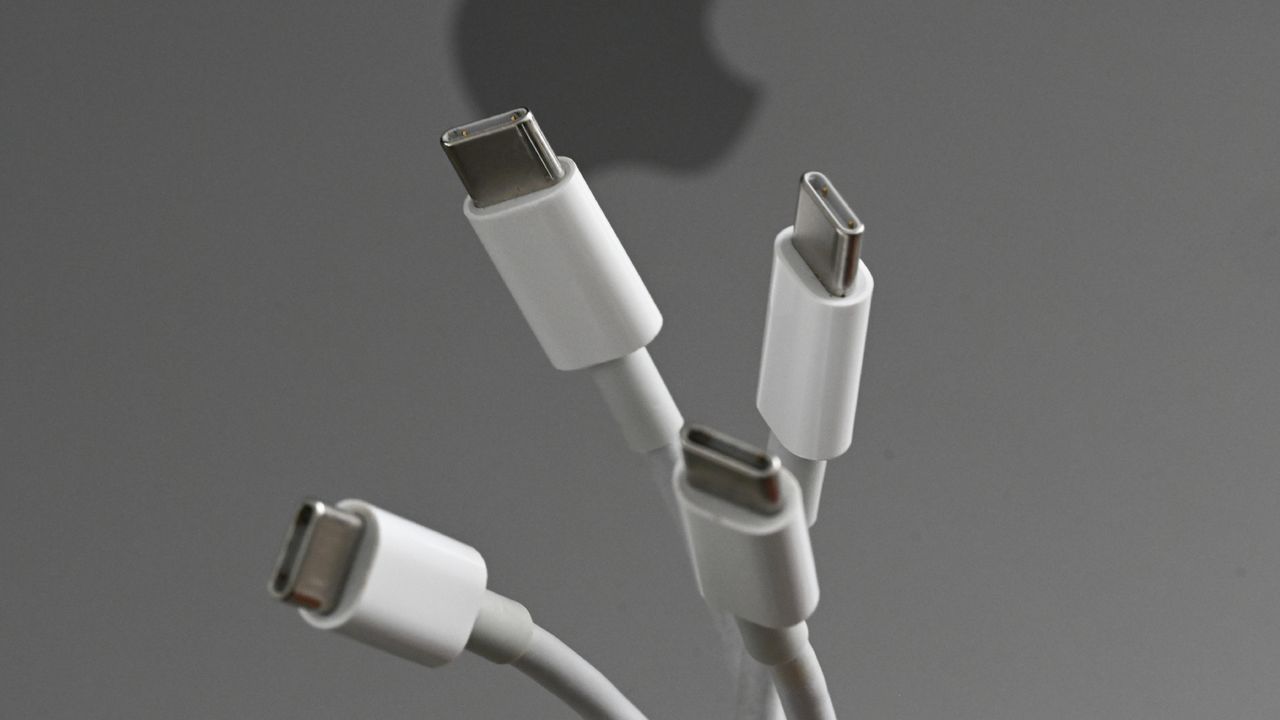
The USB ecosystem is on the cusp of a significant transition that will reshape how various devices connect. By the latter half of this decade, specifically around 2026, new standards will redefine connectivity for a wide range of electronics. This evolution will impact laptops, desktops, external storage solutions, display monitors, and a multitude of peripherals.
The upcoming advancements include USB4 Version 2 and Thunderbolt 5. These technologies are poised to push the capabilities of copper cabling to their absolute physical boundaries. This signifies a critical point where the established copper infrastructure faces its limitations, necessitating potential shifts in how high-speed data transfer and power delivery are managed across the connected device landscape.
The convergence of USB4 Version 2 and Thunderbolt 5 signals a critical juncture in wired data transfer technology. As these standards approach the physical limits of copper, the industry faces a strategic decision regarding future infrastructure investments. This development highlights the ongoing tension between incumbent copper technologies and the potential emergence of alternative transmission mediums, such as optical fibers, for higher bandwidth and longer reach applications. The market dynamics will likely favor solutions that balance performance, cost, and backward compatibility, prompting innovation in both connector design and signal processing to extract maximum utility from existing copper infrastructure while preparing for next-generation connectivity paradigms.
AI-generated to prompt reflection — not editorial opinion, not advice, not a statement of fact. How this works.