USCIS Announces New Asylum Rule to Expedite Processing
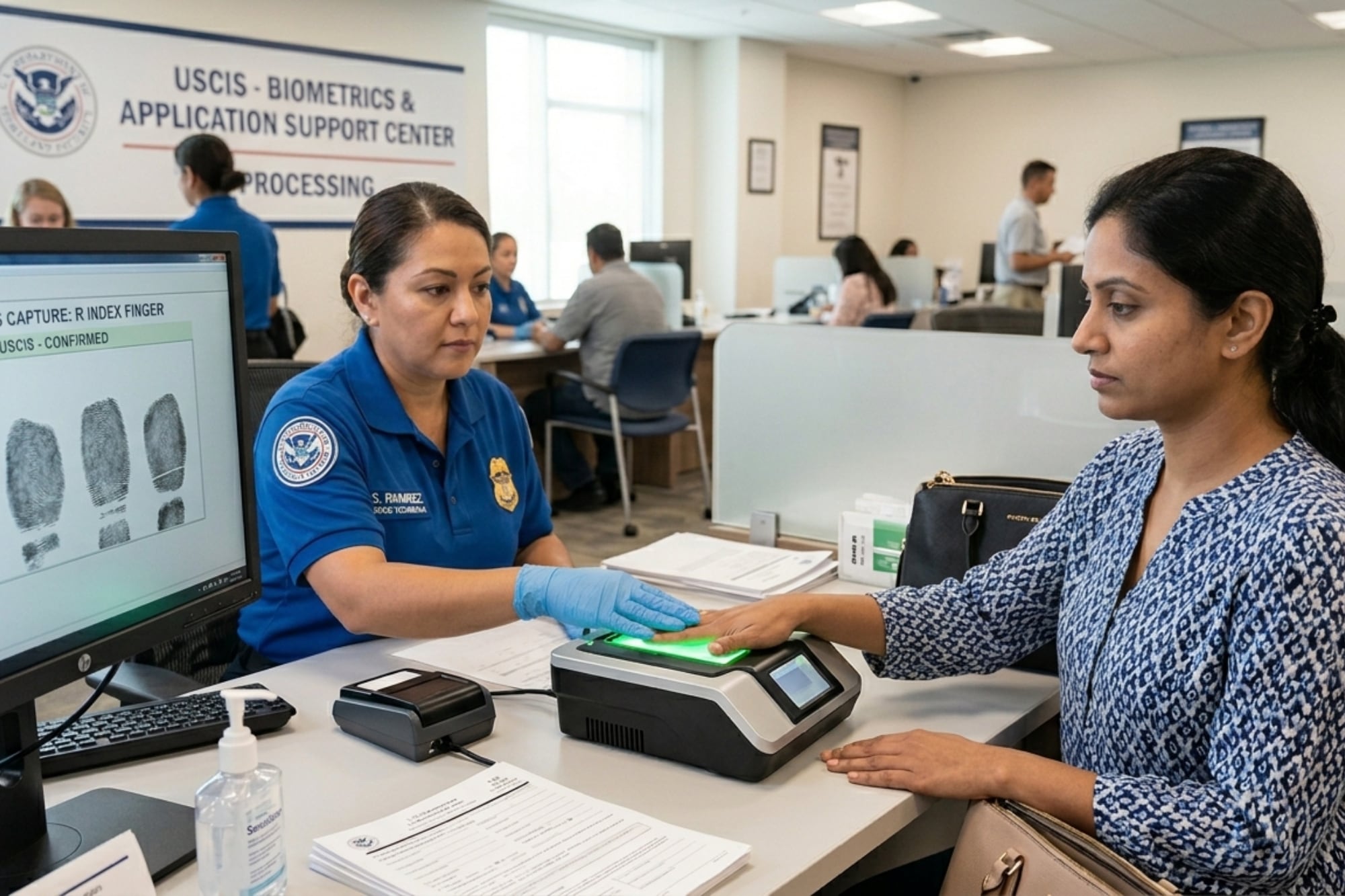
The U.S. Citizenship and Immigration Services (USCIS) has introduced a new rule designed to shorten the time it takes for immigration officials to process asylum cases. This change aims to streamline the asylum process, allowing certain cases to be presented directly before an immigration judge without a prior interview. The specific details of how the rule alters the existing asylum procedures are now available. This initiative is expected to impact the efficiency of the asylum system, potentially benefiting applicants by reducing waiting periods. The USCIS has not yet provided specific figures on the expected reduction in processing times, but the stated goal is a significant decrease. Further information regarding the criteria for cases eligible for direct judicial review is anticipated. The implementation of this new rule is a key development in the ongoing efforts to manage and reform the U.S. asylum system.
The USCIS's new asylum rule reflects an effort to address processing backlogs by introducing a more direct judicial pathway for certain cases. This procedural shift could potentially improve efficiency by bypassing initial interviews, thereby reducing administrative burdens. However, it raises questions about the thoroughness of case review and the potential impact on due process for applicants. The system's incentive structure now prioritizes speed, which may create trade-offs with comprehensive evaluation. Future outcomes will depend on the clarity of eligibility criteria and the capacity of immigration courts to handle the increased direct caseload. This policy adjustment aligns with broader technological and administrative trends aimed at digitizing and accelerating government services, but its long-term success will be measured by its fairness and effectiveness in adjudicating asylum claims.
AI-generated to prompt reflection — not editorial opinion, not advice, not a statement of fact. How this works.