USCIS Form G-325R: A Migrant's Tool for ICE Encounters in 2026
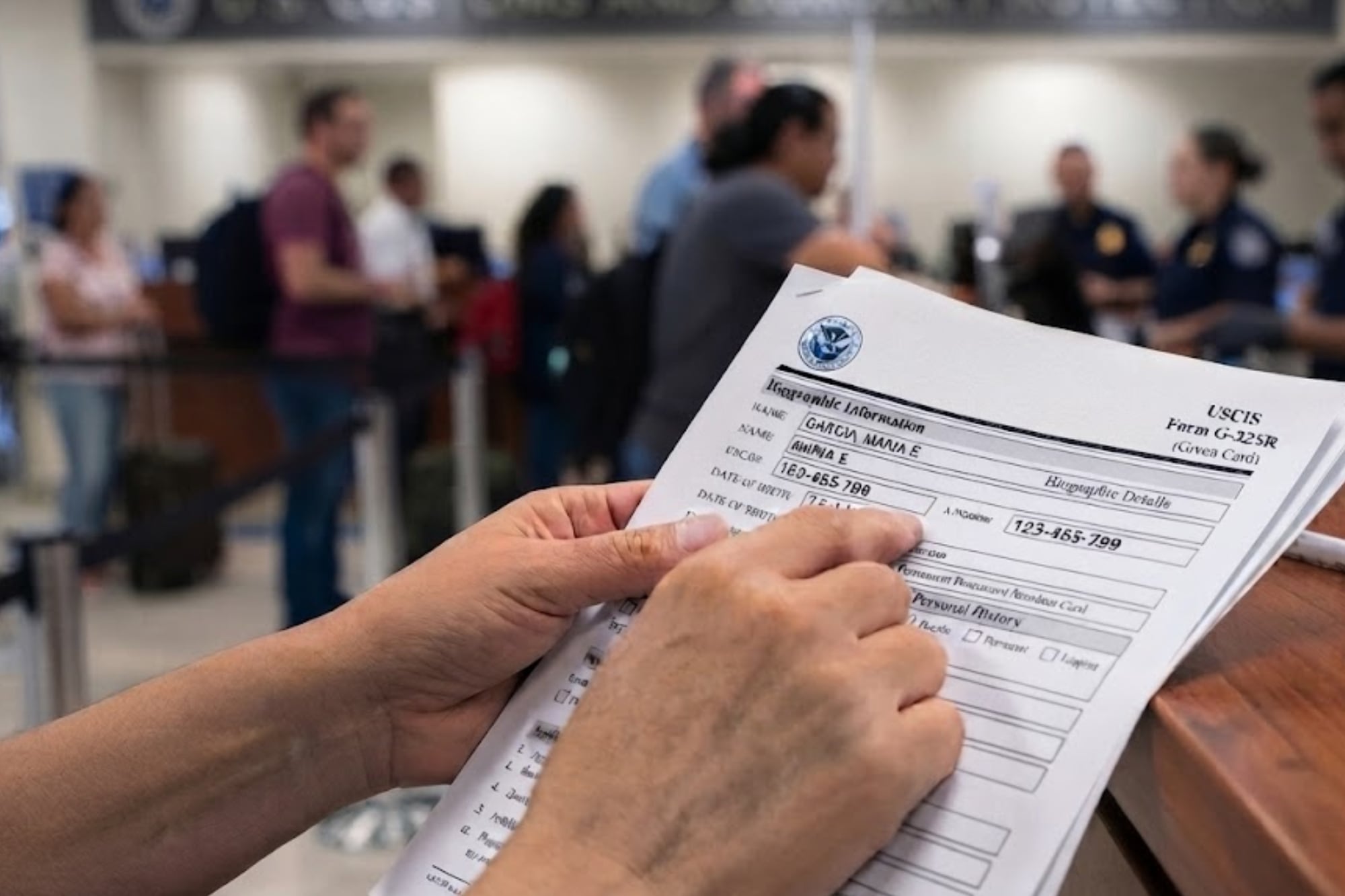
The U.S. Citizenship and Immigration Services (USCIS) form G-325R is a document that can assist migrants during encounters with Immigration and Customs Enforcement (ICE) officers, particularly relevant for events anticipated in 2026. This form serves as evidence of an individual's registration or status within the United States. Understanding its purpose and application is crucial for migrants who may face immigration checks. The G-325R, often referred to as the Biographic Information form, collects essential personal details that can help establish an individual's history and presence in the country. Its utility lies in providing a verifiable record that immigration authorities can consult. Beyond the G-325R, migrants should be aware of other documents that can serve as valid proof of registration or legal standing. These might include past immigration filings, work permits, or other official correspondence from government agencies. Having readily available documentation is key to navigating potential interactions with ICE smoothly and demonstrating compliance with immigration laws. The specific context for its increased relevance in 2026 suggests potential changes in immigration enforcement or documentation requirements that individuals should prepare for.
The USCIS form G-325R, presented as a tool for migrants facing ICE checks in 2026, highlights the ongoing interplay between immigration documentation and enforcement. Its utility suggests a system where individuals may need to proactively present evidence of their status. The anticipation of its relevance in 2026 could indicate evolving immigration policies or enforcement strategies, prompting migrants to prepare supporting documentation. This scenario underscores the importance of accessible and understandable immigration processes, ensuring individuals can readily demonstrate their legal standing. Future considerations may involve streamlining such documentation requirements or enhancing public awareness campaigns to prevent undue stress during encounters.
AI-generated to prompt reflection — not editorial opinion, not advice, not a statement of fact. How this works.