USCIS Processing Times in 2026: Official Statistics Reveal Longest Delays
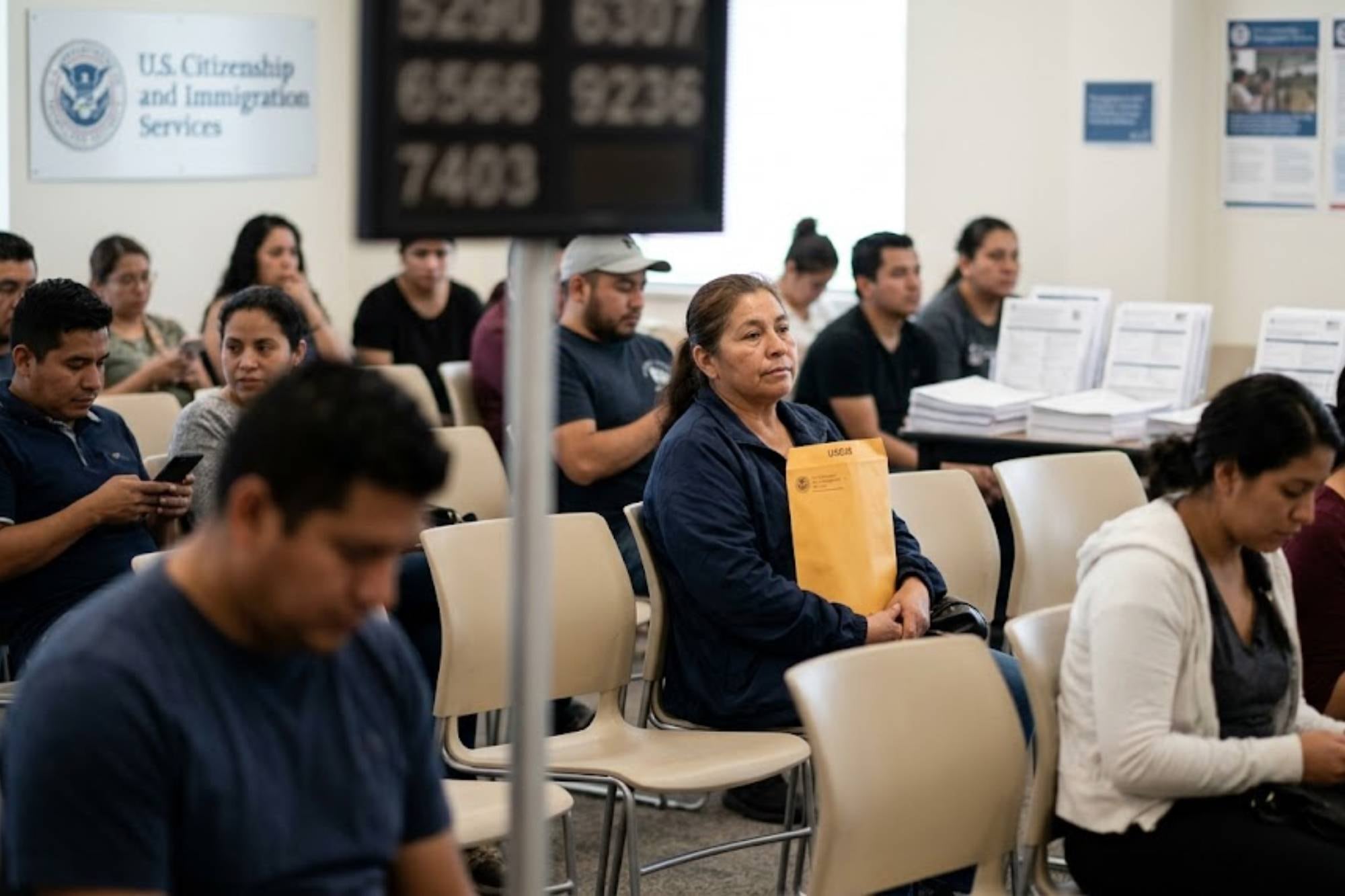
New official statistics from the U.S. Citizenship and Immigration Services (USCIS) highlight the forms with the longest processing times anticipated for 2026. This data allows applicants to understand which applications are likely to experience significant delays. The agency aims to provide transparency regarding its operational timelines and the factors contributing to extended waiting periods for various immigration processes. Applicants can use this information to better plan their immigration journeys and manage expectations. The statistics are intended to offer a clearer picture of the current workload and resource allocation within USCIS. Understanding these processing times is crucial for individuals navigating the complex U.S. immigration system. The agency encourages applicants to regularly check the status of their cases through its online portal. This proactive approach can help individuals stay informed about any updates or changes to their application's progress. The revealed statistics are based on the latest available official data and projections for the upcoming year.
The release of projected USCIS processing times for 2026 offers a critical data point for individuals and policymakers alike. By illuminating which application forms face the longest delays, this statistic underscores potential systemic bottlenecks within the immigration system. Understanding these patterns can prompt a review of resource allocation, staffing levels, and procedural efficiencies at USCIS. The agency's transparency in publishing these figures, while valuable, also highlights the ongoing tension between demand for immigration services and the capacity to process them. Future-oriented analysis should consider how technological integration, such as AI-driven case management or enhanced digital submissions, might mitigate these projected delays over the next decade, thereby improving predictability and reducing applicant anxiety.
AI-generated to prompt reflection — not editorial opinion, not advice, not a statement of fact. How this works.