USCIS Public Charge Rule Change Could Deny Green Cards Starting September 2026
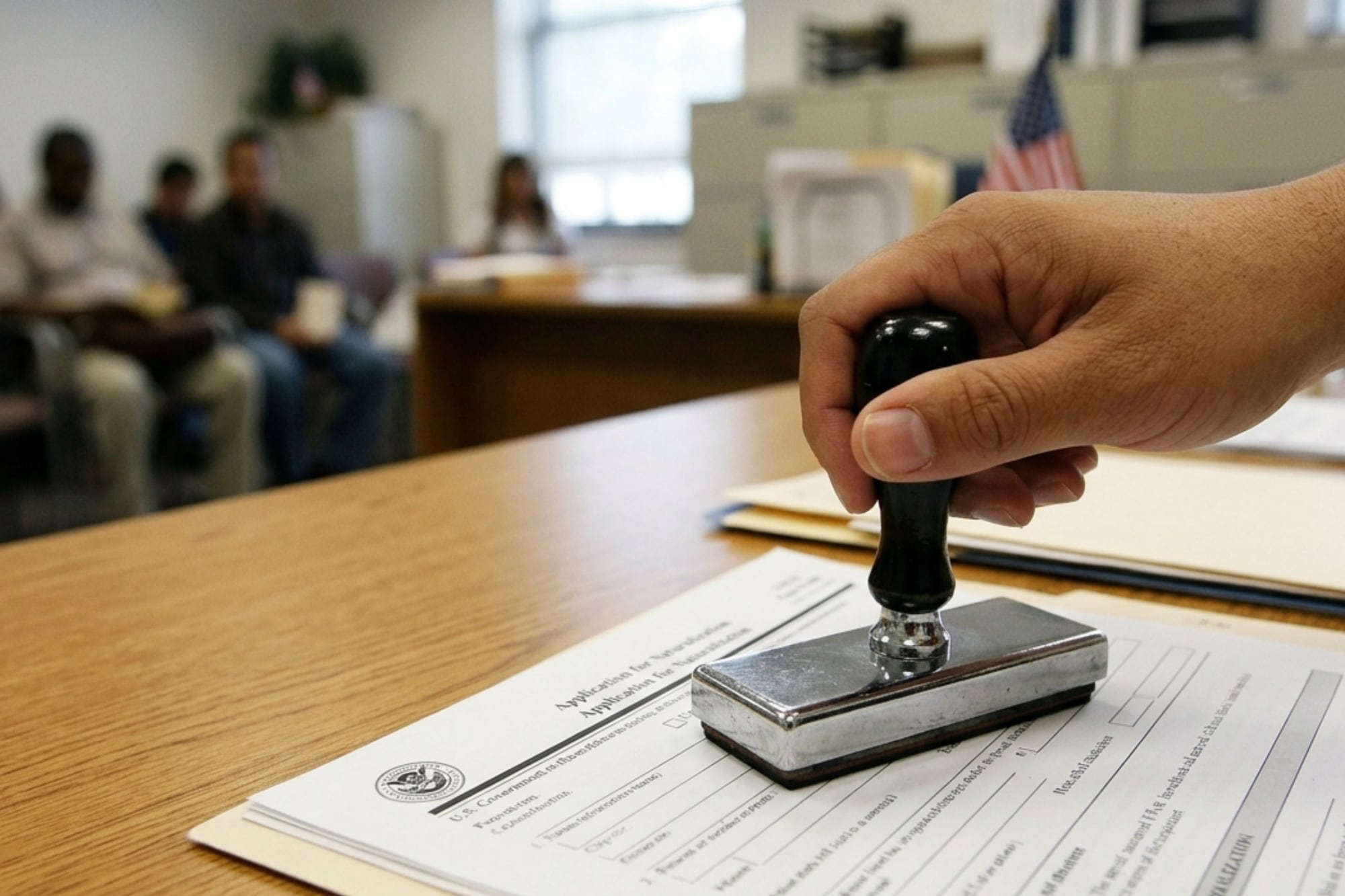
The U.S. Citizenship and Immigration Services (USCIS) has introduced a new public charge rule that could impact green card applications beginning in September 2026. This updated regulation aims to determine whether an immigrant is likely to become a public charge, meaning they would rely heavily on government assistance. The USCIS will consider various factors when assessing an applicant's likelihood of becoming a public charge. These factors may include the applicant's age, health, family status, assets, resources, financial status, and education and skills. The new rule is expected to bring significant changes to the adjudication process for lawful permanent resident status. Immigrants seeking a green card will need to carefully review the updated requirements and ensure they meet the criteria to avoid potential denial. The effective date of September 2026 provides a window for individuals to prepare for these changes.
The USCIS public charge rule update reflects an ongoing tension between national immigration policy goals and the economic integration of new residents. By potentially broadening the criteria for deeming an individual a public charge, the agency is signaling a shift towards prioritizing self-sufficiency and reducing reliance on social safety nets. This approach may incentivize immigrants to demonstrate greater financial independence, potentially impacting their ability to access certain benefits or achieve permanent residency. Future policy considerations might explore balancing these public charge concerns with the long-term economic contributions immigrants make, as well as the societal benefits of diverse and integrated communities. The effectiveness of this rule will likely be shaped by evolving economic conditions and the administrative capacity of USCIS to apply the criteria consistently and fairly.
AI-generated to prompt reflection — not editorial opinion, not advice, not a statement of fact. How this works.