USCIS Rejects Applications Over Invalid Signatures, Even After Initial Acceptance
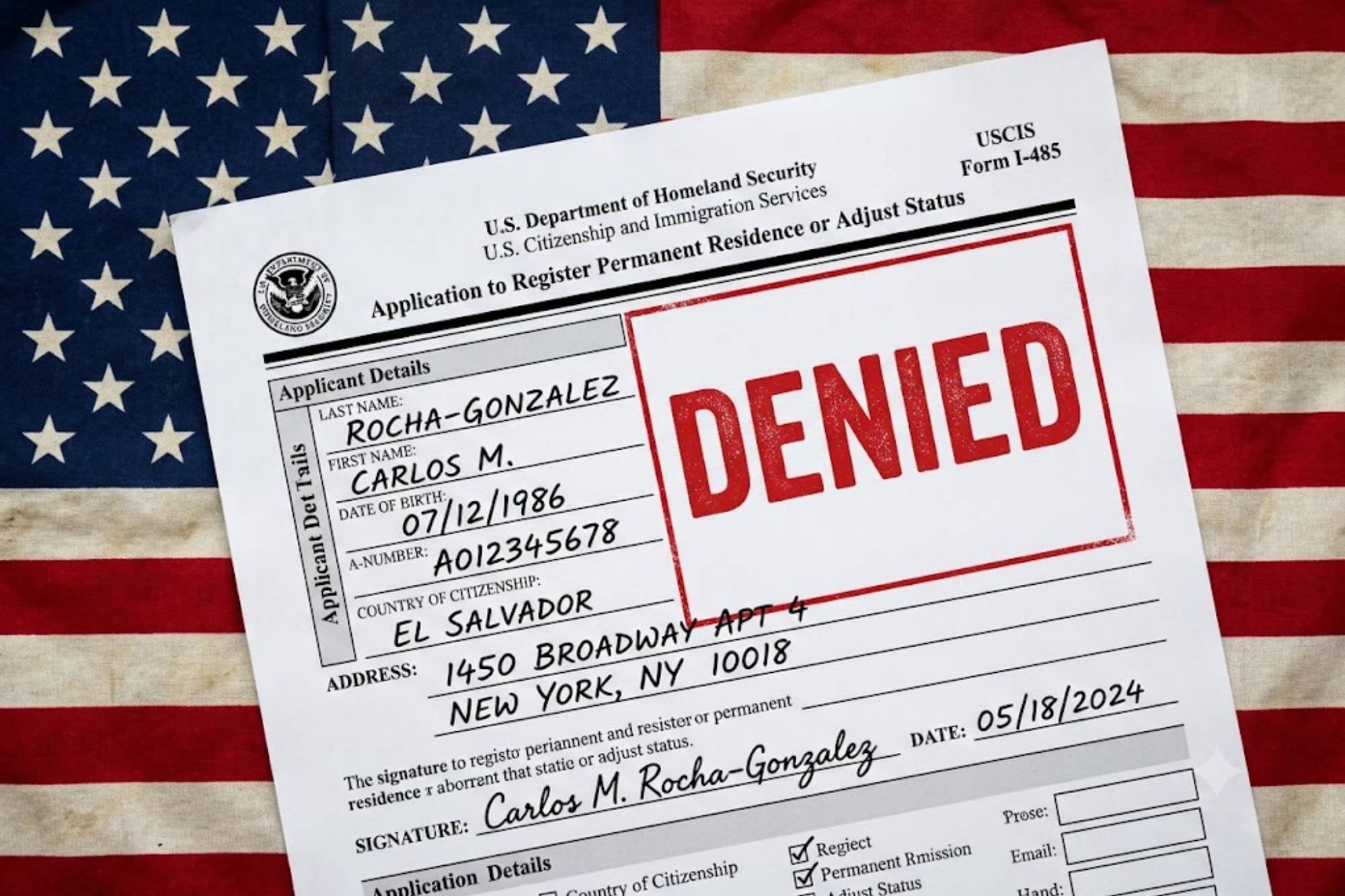
The U.S. Citizenship and Immigration Services (USCIS) is now rejecting or denying immigration applications due to invalid signatures, even if the case was initially accepted for review. This new policy means that previously accepted applications can be invalidated based on signature discrepancies. Applicants are advised to ensure their signatures are compliant with USCIS requirements to avoid potential delays or outright denials. The agency's stance indicates a stricter enforcement of procedural rules, emphasizing the critical importance of proper documentation throughout the application process. This change could impact a significant number of individuals seeking immigration benefits, highlighting the need for meticulous attention to detail in all submitted forms. USCIS may deny a case if the signature is deemed invalid, regardless of its prior acceptance.
USCIS's updated policy on signature validity introduces a procedural hurdle that could disproportionately affect applicants unfamiliar with specific requirements. While ensuring procedural integrity is a legitimate governmental aim, the retrospective invalidation of initially accepted applications raises questions about fairness and administrative burden. This policy shift may incentivize more thorough applicant preparation and potentially increase reliance on legal counsel, impacting the accessibility of immigration processes. From a systems perspective, the agency's focus on signature compliance, rather than substantive eligibility, could be viewed as an efficiency measure or a point of friction, depending on the applicant's experience and the overall processing backlog. The long-term implications may involve a recalibration of applicant expectations regarding the finality of initial acceptance.
AI-generated to prompt reflection — not editorial opinion, not advice, not a statement of fact. How this works.