USCIS to Reject Migrant Visas and Green Card Applications with Invalid Signatures Starting July 10
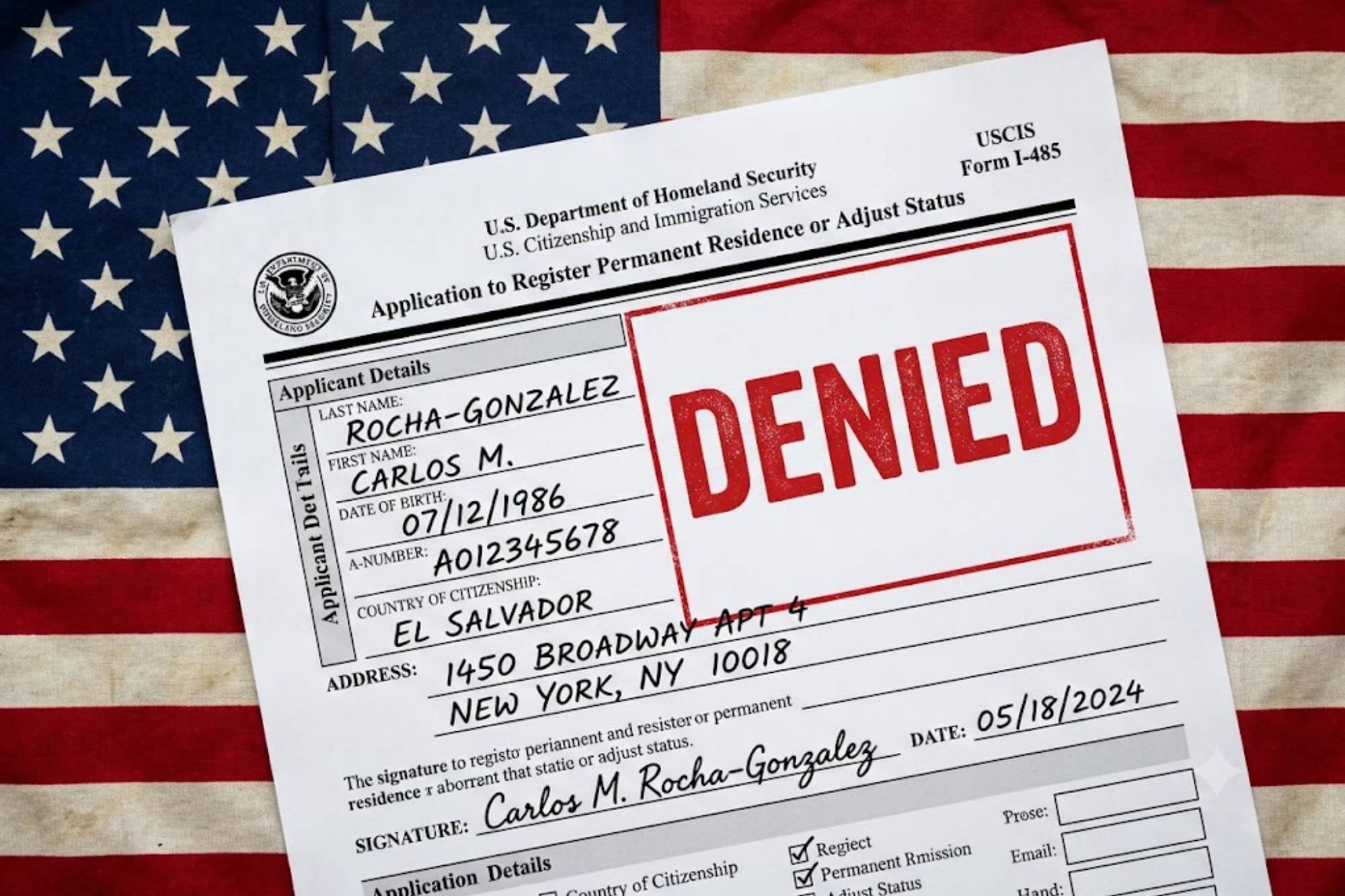
The U.S. Citizenship and Immigration Services (USCIS) has implemented a new policy, effective July 10, that allows for the rejection or denial of immigration applications if they contain what are deemed invalid signatures. This rule applies to various immigration processes, including applications for migrant visas and green cards. The agency's decision to enforce this rule aims to streamline the application process and ensure compliance with established procedures. Applicants are advised to carefully review all required documentation and ensure that signatures are correctly placed and valid according to USCIS guidelines. Failure to do so may result in delays or outright rejection of their petitions. This measure underscores the importance of meticulous attention to detail in all immigration filings.
The USCIS's implementation of a new rule to reject applications with invalid signatures highlights a focus on procedural integrity within the immigration system. This policy shift may incentivize greater diligence from applicants and legal representatives, potentially reducing processing backlogs caused by signature discrepancies. However, it also introduces a new point of potential friction, where minor errors could lead to significant delays or denials. From a systems perspective, the agency is balancing efficiency with thoroughness, aiming to automate and standardize a critical aspect of form verification. The long-term impact will depend on the clarity of USCIS guidance on acceptable signatures and the consistency of its enforcement, influencing both applicant behavior and the overall fairness of the immigration process.
AI-generated to prompt reflection — not editorial opinion, not advice, not a statement of fact. How this works.