Used Bookstores Offer a Refuge from Poor Translations
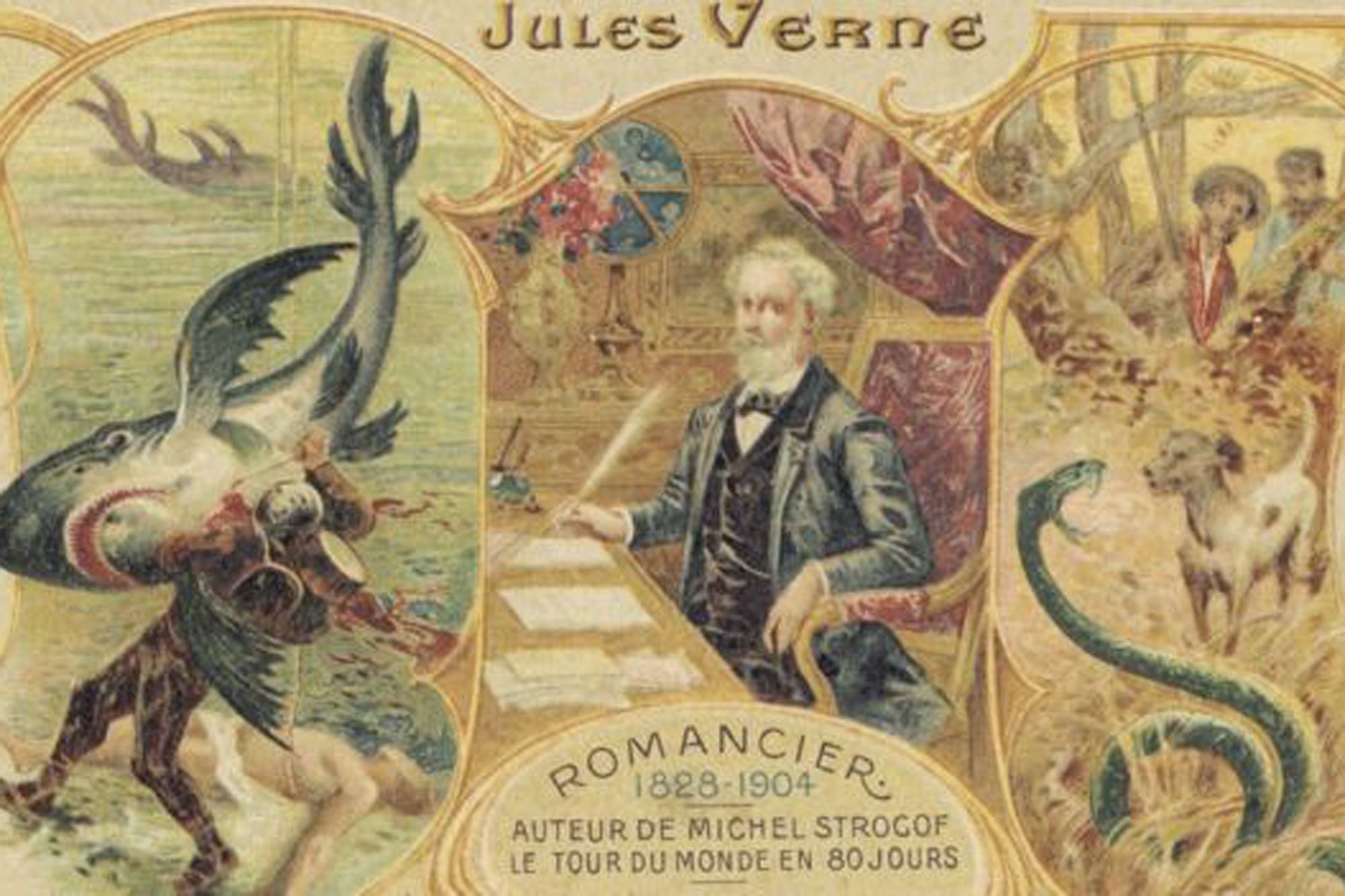
The author finds increasing appeal in used bookstores, not solely for economic reasons, but for the quality of their editorial content. Recent experiences with translated novels have revealed translations that are disappointingly basic, akin to machine translations, often requiring the reader to consult a dictionary for unfamiliar idioms. While exceptions exist, these demand a level of effort not always feasible for weekend reading. Consequently, the author often seeks refuge in "old bookstores" near Corrientes Street, discovering classic novels. The author expresses admiration for pre-technological works, marveling at the inventiveness of authors who conceived of concepts like global travel and underwater voyages before such technologies existed. The author particularly praises the human translators of the past, describing them as scholars dedicated to both the original authors and their respective languages.
The author's critique highlights a potential decline in translation quality, possibly driven by economic pressures or the increasing reliance on automated translation tools. This trend raises questions about the preservation of literary nuance and cultural context in translated works. As global literary markets expand, the role of skilled human translators becomes crucial for fostering genuine cross-cultural understanding. The author's preference for older, human-translated classics suggests a perceived loss of artistry and linguistic depth in contemporary translations, prompting reflection on how technological advancements in translation impact the integrity and emotional resonance of literature.
AI-generated to prompt reflection — not editorial opinion, not advice, not a statement of fact. How this works.
