USP Develops Smart Traffic Light to Optimize Pedestrian Crossing Times
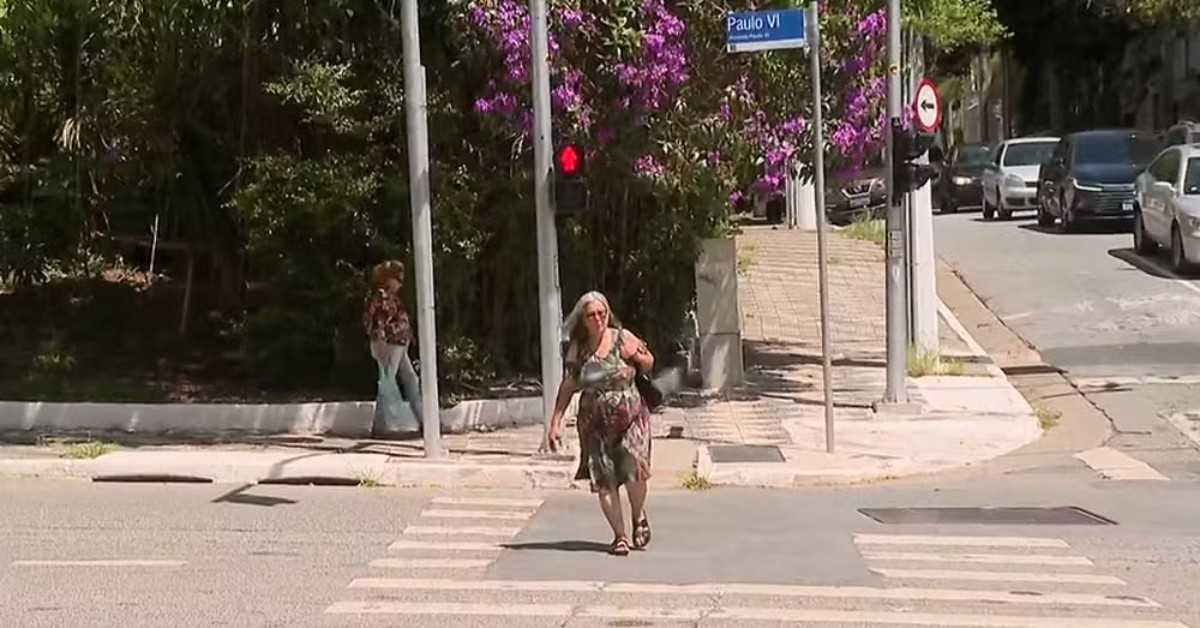
Researchers at the University of São Paulo (USP) have developed an intelligent traffic light system designed to address the insufficient crossing times often faced by pedestrians in São Paulo. This new technology utilizes computer vision to monitor pedestrian and vehicle flow, automatically adjusting traffic signal durations to better balance crossing needs. The system has been undergoing testing for a year and has the potential for future implementation across the city's intersections. Currently, the prototype is installed at a crosswalk near the USP University Hospital. The system employs cameras to count waiting pedestrians and vehicles, measure their wait times, and then calculate optimal signal timings. Beyond traffic management, the technology can also detect signal malfunctions and environmental conditions like temperature and humidity, aiding in maintenance. This innovation comes amid concerns about pedestrian safety, with 190 pedestrians fatally struck in São Paulo during the first half of the year. A previous report indicated that nearly half of the city's traffic lights offer only five seconds for pedestrian crossings, and a disproportionate number of these are located in the central region, despite most pedestrian travel occurring outside the expanded downtown area. The São Paulo City Hall has expressed interest in the project and plans a technical visit to a key intersection for further evaluation, exploring a potential collaboration with USP. The municipal administration stated that the Traffic Engineering Company (CET) bases its traffic signal planning on technical criteria, including crossing volumes, wait times, accident history, and road characteristics.
This development by USP addresses a critical urban mobility challenge: the disparity between vehicle and pedestrian crossing times, which contributes to safety risks and pedestrian impatience. By leveraging computer vision, the system offers a data-driven approach to traffic signal management, aiming for a more equitable distribution of road space. The analysis highlights a systemic issue where urban planning has historically prioritized vehicular traffic, leading to infrastructure that doesn't adequately support walking, the most fundamental mode of transport. The potential for this technology to improve safety and efficiency warrants careful consideration by city authorities, balancing the needs of all road users. Future urban development, particularly in the context of increasing automation and smart city initiatives, must proactively integrate pedestrian well-being into the core of its design to foster truly walkable and inclusive environments.
AI-generated to prompt reflection — not editorial opinion, not advice, not a statement of fact. How this works.