USP Researcher Sentenced to 12 Years for Rape and Death of Student
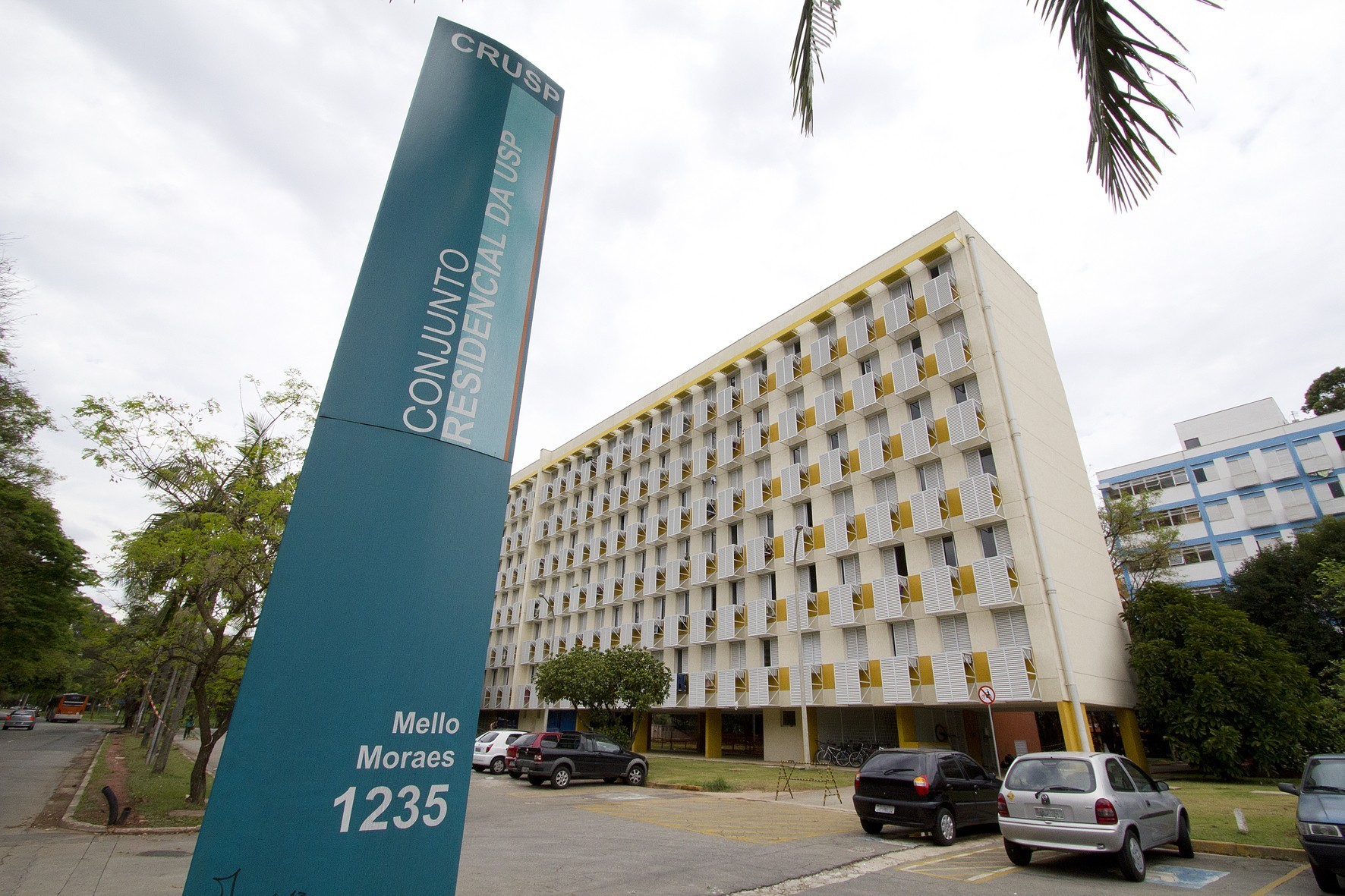
A researcher from the University of São Paulo (USP) has been sentenced to 12 years in prison for the rape and death of an undergraduate student. The incident occurred in 2020, and the conviction overturned a previous acquittal due to insufficient evidence. The São Paulo Court of Justice, through its 14th Criminal Law Chamber, found the evidence, including the victim's statements before her death, witness testimonies, medical reports, and forensic findings, to be consistent and conclusive. The victim died days after the assault from a severe genital infection that progressed to septicemia. Evidence indicated the researcher, Felipe Ramos, offered the student an alcoholic drink laced with a substance, exploiting her resulting incapacitation to commit the rape. The defense's claim of consensual sex was rejected by the court. The victim had reported feeling confused and unable to fully recall the events after consuming the drink, later experiencing physical symptoms consistent with an assault. Despite her death before testifying in court, her accounts to friends, family, and medical professionals were deemed credible and corroborated by medical findings of severe genital trauma and infection. USP issued a statement expressing regret and solidarity with victims of violence, noting that no institutional reports or complaints were filed regarding this specific case and that the convicted individual no longer has ties to the university. The university also detailed its ongoing efforts to prevent and address gender-based violence and other rights violations through various offices and systems.
This case highlights the critical importance of robust evidence collection and judicial review, particularly when initial acquittals are overturned based on later-presented or re-evaluated evidence. The judicial process, in this instance, appears to have prioritized the victim's posthumous narrative, corroborated by medical and forensic data, over the defense's assertion of consent. The university's response, emphasizing its institutional policies and lack of prior reporting, underscores the complex interplay between individual criminal acts and institutional accountability frameworks. Moving forward, institutions must continuously assess the efficacy of their reporting mechanisms and support systems to ensure timely and comprehensive responses to allegations of violence, fostering an environment where all members feel secure and empowered to report without fear of reprisal.
AI-generated to prompt reflection — not editorial opinion, not advice, not a statement of fact. How this works.