USP Scientists Develop Rapid Test to Detect Superbugs in Six Hours
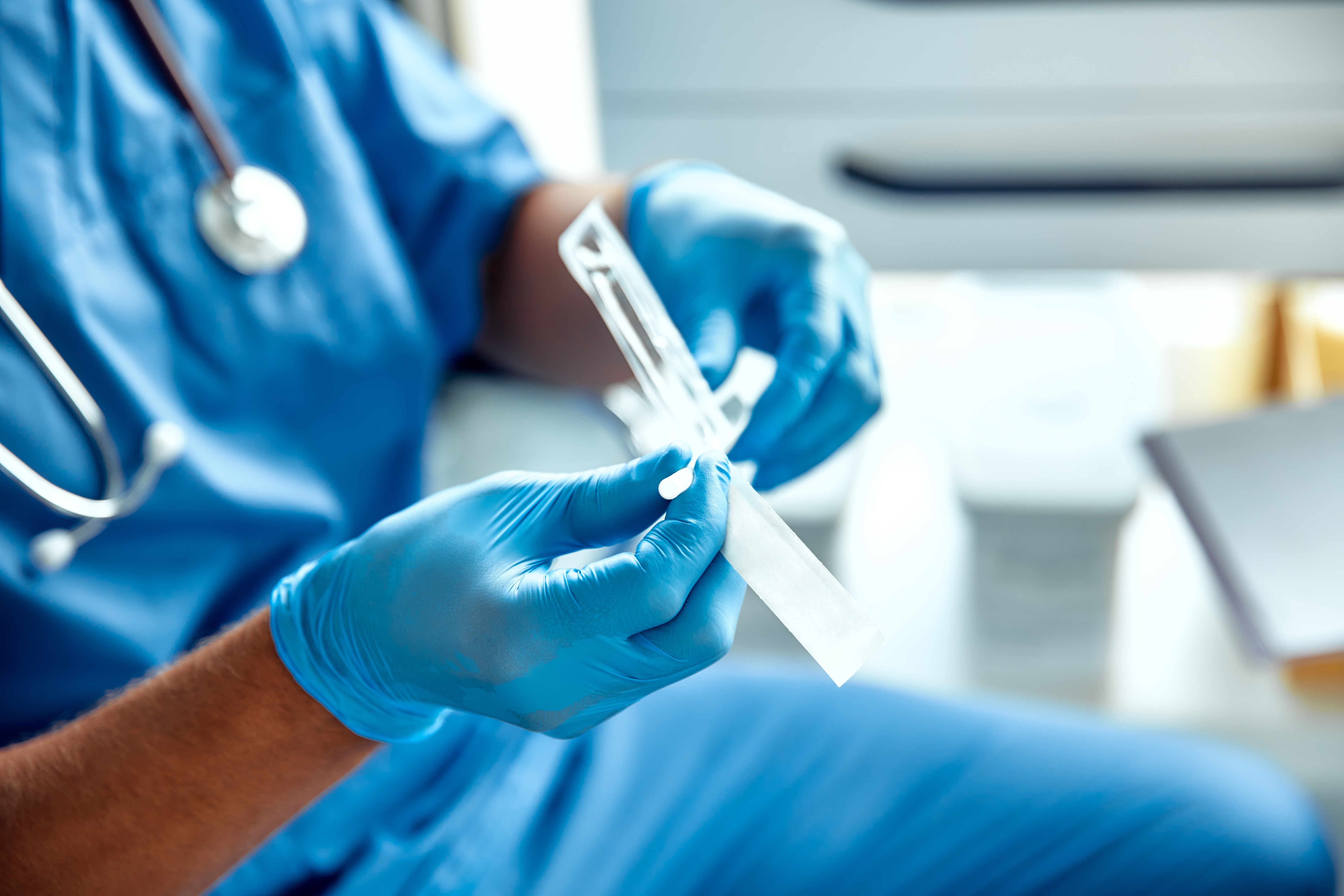
Researchers at the University of São Paulo's Faculty of Medicine (FMUSP) and the Hospital das Clínicas da FMUSP (HCFMUSP) have developed a rapid, low-cost test capable of detecting carbapenem-resistant Enterobacteriaceae (CRE) in just six hours. This significantly shortens the traditional diagnostic period, which can take two to three days. CREs are a group of common intestinal microbes, such as Klebsiella pneumoniae and Escherichia coli, that have become resistant to carbapenems, antibiotics reserved for the most severe infections. The World Health Organization (WHO) classifies them as a critical threat to human health. When CREs move from the intestine to infect the bloodstream, lungs, or urinary tract in severely ill patients, treatment options become limited, leading to delayed therapy, longer hospital stays, and increased mortality. In Brazil, CRE infections have been linked to a 63.8% mortality rate in sepsis cases, compared to 33.4% for other bacterial sepsis. The new test, similar in appearance to pharmacy tests for COVID-19 or pregnancy, uses a rectal swab sample incubated for six hours before being applied to an immunochromatographic strip. This strip detects the presence and type of carbapenemase enzymes, which indicate antibiotic resistance. While the test significantly reduces diagnostic time and can help optimize isolation protocols, researchers emphasize that speed alone does not automatically reduce contagion. Studies showed the test achieved 100% sensitivity and specificity in laboratory settings and performed well with real patient samples, although results varied with sample quality. In clinical trials within two ICUs, the test reduced the time to diagnosis and allowed for earlier discontinuation of preventive isolation for non-carriers, decreasing precautionary waiting times from 47 to 23 hours. However, the number of patients acquiring the bacteria during hospitalization did not decrease statistically significantly, highlighting that rapid diagnosis is only one part of infection control. The test's simplicity, speed, and low cost make it a promising tool for public hospitals and laboratories with limited resources, potentially saving costs by reducing unnecessary isolation periods. Researchers estimate that the rapid test could save between $2,400 and $3,900 per week per 100 ICU beds by reducing unnecessary isolation. The technology would need regulatory approval from Brazil's National Health Surveillance Agency (Anvisa) and evaluation by the National Committee for Health Technology Incorporation (Conitec) for potential integration into the public health system (SUS).
This innovation addresses a critical bottleneck in hospital infection control by drastically reducing the time to identify patients carrying dangerous antibiotic-resistant bacteria. The development of a low-cost, rapid diagnostic tool could democratize access to advanced infection surveillance, particularly in resource-limited settings. However, the analysis highlights that diagnostic speed is a necessary but insufficient condition for controlling superbug transmission. The system's overall effectiveness hinges on the quality of subsequent clinical and public health interventions, including staff training, environmental hygiene, and judicious antibiotic stewardship. Future research might explore how integrating this rapid test into broader hospital surveillance systems, potentially augmented by AI-driven risk stratification, could optimize resource allocation and proactively mitigate transmission pathways, especially in high-pressure environments like ICUs. The long-term impact will depend on seamless integration into clinical workflows and robust public health policies that support its widespread adoption and effective utilization.
AI-generated to prompt reflection — not editorial opinion, not advice, not a statement of fact. How this works.