Utah Measles Cases Decline, But Newborn Remains Vulnerable
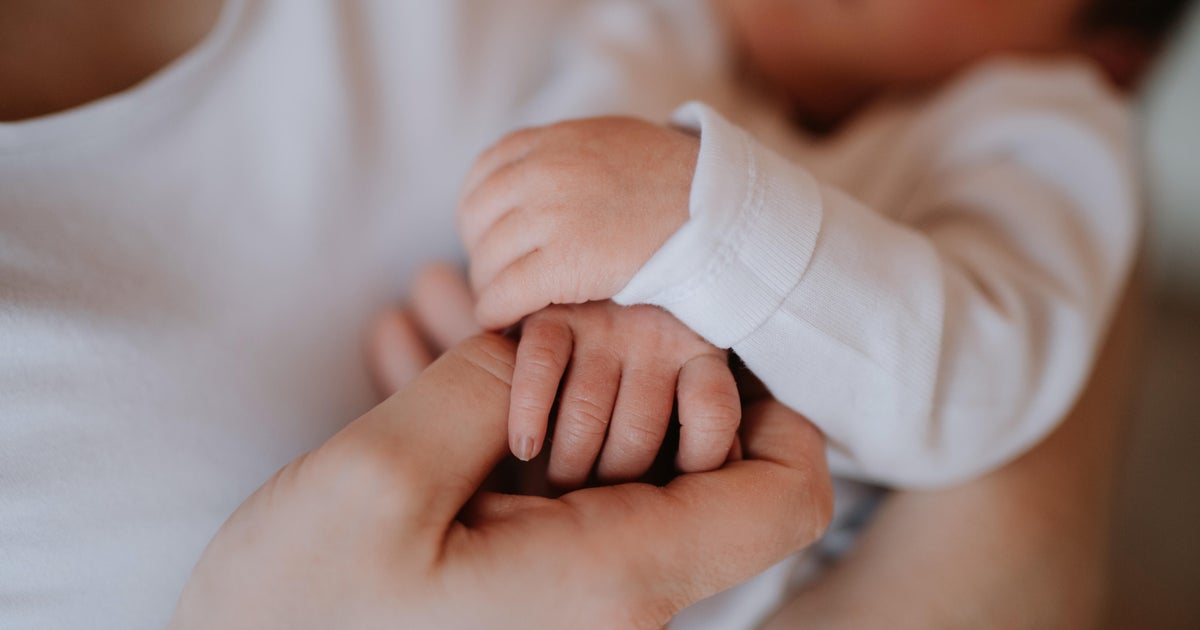
The weekly number of measles cases in Utah has decreased, offering a glimmer of hope in the ongoing outbreak. However, the national count for measles cases has not yet shown a similar decline, indicating the virus remains a significant concern across the country. Caught in the middle of this situation is a newborn infant who is too young to receive the measles vaccination. This vulnerability places the baby at high risk of contracting the disease, especially if exposed to infected individuals. The family of the newborn is reportedly unable to meet their child due to the risks associated with the outbreak. This situation highlights the critical importance of herd immunity and the challenges faced by the most vulnerable populations during infectious disease outbreaks. Public health officials continue to monitor the situation closely and urge vaccination for eligible individuals to curb the spread of measles.
The decrease in weekly measles cases in Utah suggests that public health interventions may be starting to take effect locally. However, the persistent national case count underscores the interconnectedness of public health and the challenges of containing highly contagious diseases in a mobile society. The vulnerability of unvaccinated newborns presents a stark reminder of the ethical and public health imperative to achieve high vaccination rates, not only for individual protection but also to safeguard those who cannot be vaccinated. This situation prompts consideration of the societal trade-offs between individual autonomy and collective responsibility in disease prevention, particularly as the nation navigates the complexities of infectious disease management in an era where vaccine hesitancy can have profound consequences for community health.
AI-generated to prompt reflection — not editorial opinion, not advice, not a statement of fact. How this works.