UTFPR Opens 2027 Admissions with New Tech and AI Courses
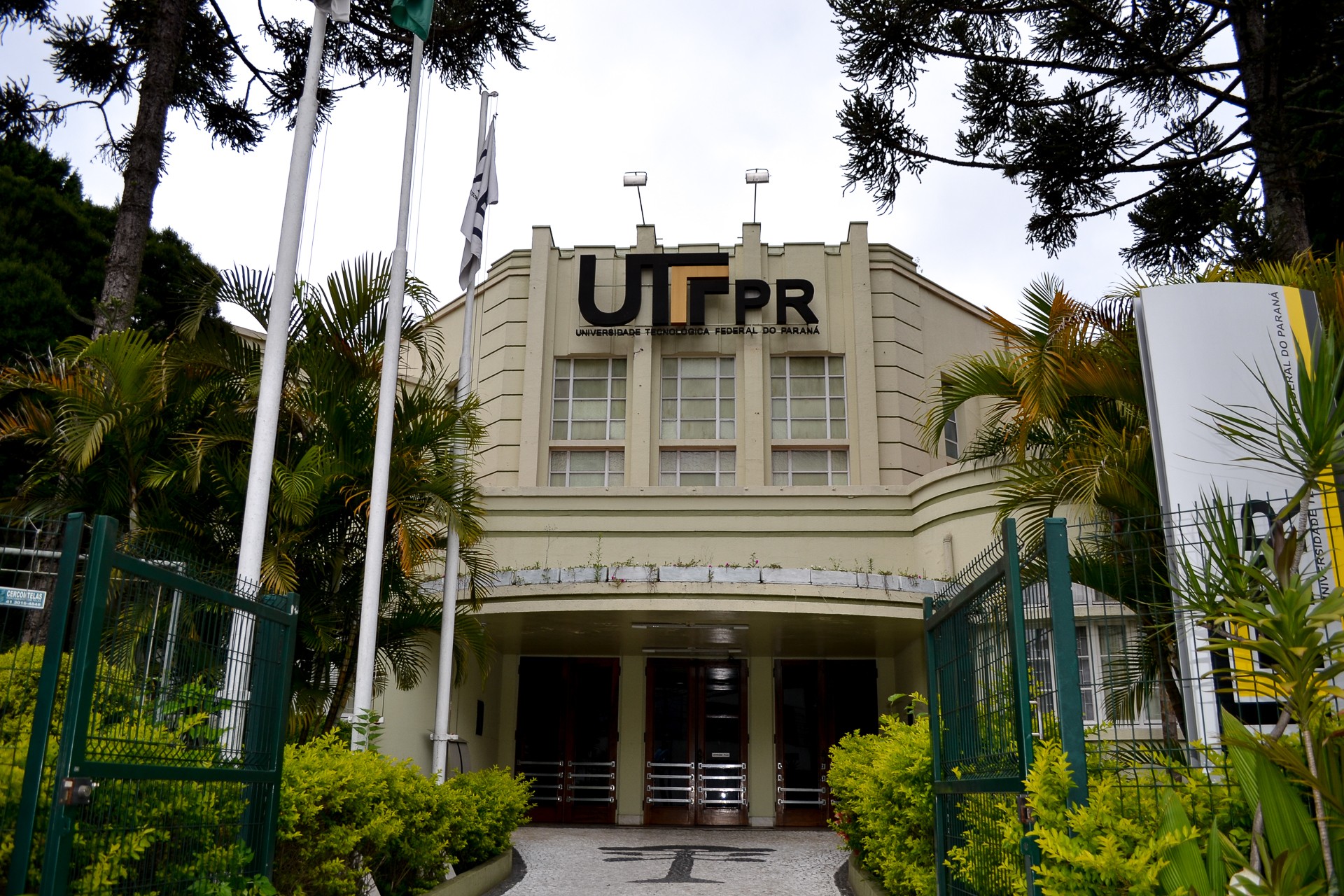
The Federal University of Technology of Paraná (UTFPR) has opened applications for its 2027 Vestibular, offering over 4,000 undergraduate positions across 13 campuses in Paraná. A significant addition this year includes four new courses focused on Artificial Intelligence and Information Technology. These new programs are: Technology in Artificial Intelligence and Autonomous Processes and Applied Artificial Intelligence at the Campo Mourão Campus; Bachelor's in Data Science at the Londrina Campus; and Technology in Cybersecurity at the Medianeira Campus. These initiatives are part of the Ministry of Education's Innovative Universities project, aiming to expand training in innovation and technology. Applicants can select up to two course preferences and must choose between English or Spanish for the foreign language exam. The Vestibular examination is scheduled for November 22nd. Applications are open on the university's official website until October 13th at 11:59 PM, with an application fee of R$150, payable by October 14th. Fee waivers are available for candidates meeting specific low-income and social registry criteria, with applications due by August 24th. The selection process includes both general admission and a quota system, reserving half of the vacancies for students who completed high school in public schools. Within the quota system, provisions are made for individuals with disabilities, those with low per capita family income, and self-declared Black, Brown, Indigenous, or Quilombola individuals. Specific video and photo submissions are required for Black and Brown candidates by October 13th for a heteroidentification evaluation. Candidates requiring special accommodations during the exam must submit documentation by October 13th.
The UTFPR's expansion into AI and technology-related fields reflects a strategic alignment with national educational priorities and the evolving demands of the global job market. By introducing specialized courses, the institution aims to cultivate a future workforce equipped for the digital economy. The integration of these programs within the "Innovative Universities" project signals a broader governmental push to foster technological advancement and innovation through higher education. While this expansion addresses the growing need for skilled professionals in AI and cybersecurity, it also presents an opportunity to examine the long-term sustainability of such specialized curricula. Institutions must consider the rapid pace of technological change, ensuring that programs remain relevant and adaptable, and that faculty possess the expertise to guide students effectively. Furthermore, the emphasis on public school quotas and diverse applicant pools underscores a commitment to equitable access, a critical component for building an inclusive technological future.
AI-generated to prompt reflection — not editorial opinion, not advice, not a statement of fact. How this works.
