Utrecht Library Halts Escalators Due to Grid Overload
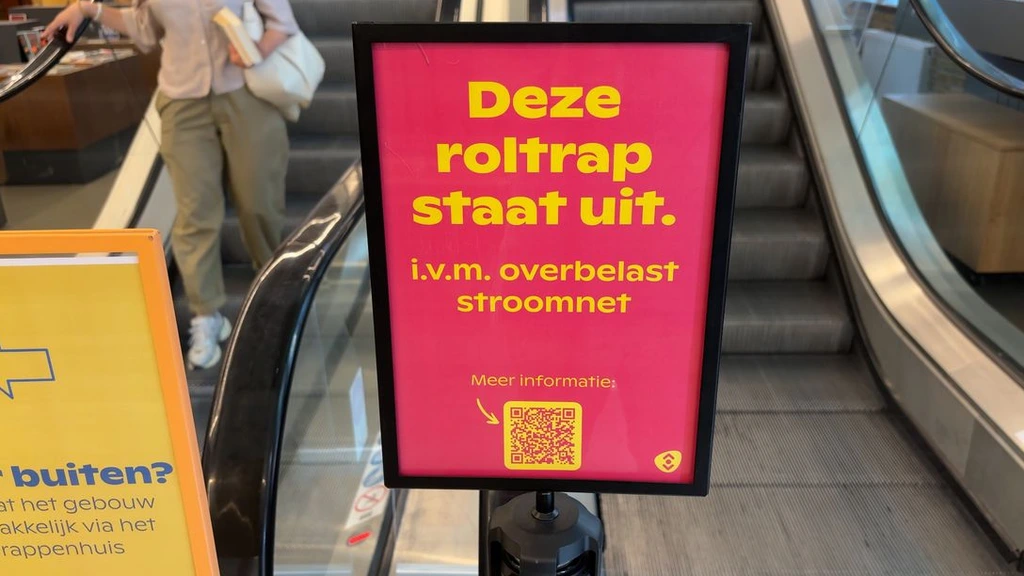
The public library in Utrecht, Netherlands, has been forced to switch off its escalators on warm days due to an overloaded electricity grid. The library operates under a daily power consumption limit set by grid operators, a consequence of a connection freeze implemented in Utrecht and surrounding areas since July 1st. To ensure essential services like air conditioning remain operational, other power-intensive functions must be curtailed. Library director Deirdre Carasso explained that escalators are deactivated when temperatures reach 27 degrees Celsius, and both escalators stop functioning at 30 degrees Celsius. Digital information screens are also periodically turned off, and ovens in the library's cafes are cleaned during off-peak hours to minimize electricity use during peak times. Carasso highlighted the library's role as a refuge for thousands of people, particularly the elderly, during heatwaves, noting its inclusion on the municipality's cooling map. She is advocating for an exceptional status for libraries on the national power distribution priority list, currently managed by the Authority for Consumers and Markets (ACM), similar to schools and hospitals. While this process is underway through the National Association of Public Libraries, visitors will continue to use the stairs or elevators for the foreseeable future.
The situation in Utrecht illustrates a growing tension between essential public services and the limitations of aging energy infrastructure, particularly in the face of climate change-induced heatwaves. As demand for cooling increases, the electricity grid's capacity becomes a critical bottleneck. This event highlights the need for proactive grid modernization and strategic energy management. The library's request for an exceptional status underscores a broader societal debate about prioritizing certain institutions during resource scarcity. Future energy policy must balance the immediate needs of vulnerable populations with the long-term sustainability and resilience of the power grid, potentially through smart grid technologies, decentralized energy generation, and revised demand-side management strategies.
AI-generated to prompt reflection — not editorial opinion, not advice, not a statement of fact. How this works.