Utrecht Music Venue Cancels Debate Final Over Israeli University Participation
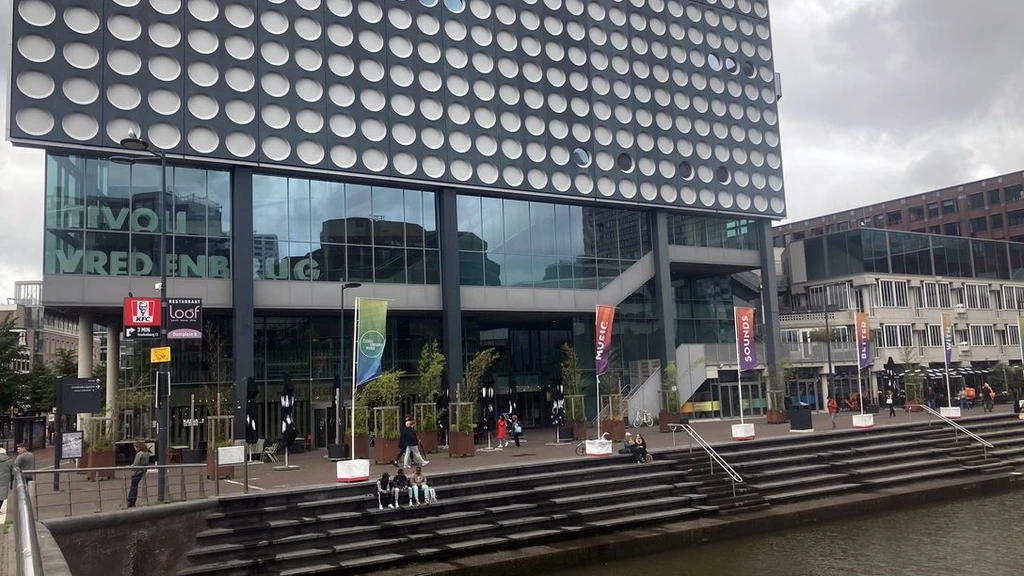
TivoliVredenburg, a music venue in Utrecht, has canceled the final of the European debate championship, which was scheduled for this evening. The decision was made due to the participation of universities from Israel. TivoliVredenburg stated that a careful consideration process took place over the past few days to determine if the debate tournament aligned with the cultural boycott of Israel, as reported by RTV Utrecht. This boycott, initiated last year by over 300 Dutch and Belgian cultural institutions, aims to protest Israel's actions in Gaza and the occupation of the West Bank. Initially, TivoliVredenburg believed the Israeli students were participating in a personal capacity. However, upon learning they were representing their universities, the venue deemed it "institutional representation," which conflicts with their adherence to the boycott. The Universiteit Utrecht and University College Utrecht had already announced their withdrawal of support for the tournament yesterday, intending to phase out their involvement as quickly and responsibly as possible. The debate tournament had been ongoing throughout the week in Utrecht, with various university buildings and rooms at the International Campus Utrecht being used for the event and participants.
The cancellation of the debate final highlights the complex intersection of geopolitical conflicts and cultural or academic events. TivoliVredenburg's decision, based on institutional representation rather than individual participation, reflects a strict interpretation of a cultural boycott. This situation raises questions about how international collaborations and academic exchanges should navigate politically charged environments. The venue's adherence to the boycott, prompted by the involvement of Israeli universities, suggests a prioritization of solidarity with Palestinian causes over facilitating international academic discourse. This event underscores the growing pressure on cultural and academic institutions to take stances on international conflicts, potentially leading to a bifurcated landscape where participation is contingent on geopolitical alignment. The long-term implications may involve increased self-censorship or the creation of separate academic and cultural spheres based on national or political affiliations, impacting the free exchange of ideas.
AI-generated to prompt reflection — not editorial opinion, not advice, not a statement of fact. How this works.