Uttar Pradesh Waqf Board to Include Non-Muslim Members
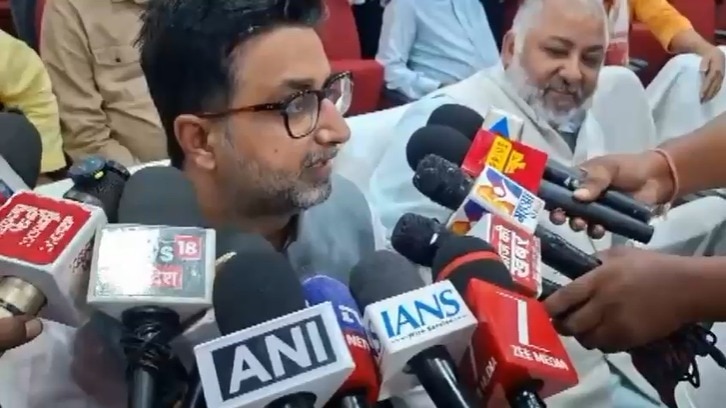
The Uttar Pradesh government plans to include non-Muslim members on the state's Waqf Board. This initiative follows a similar model implemented in Madhya Pradesh. The announcement was made by a minister in the UP government, sparking political debate. The Samajwadi Party (SP) criticized the move, labeling it as a tactic to divert attention from real issues. Religious leaders from the Muslim community have also voiced their opinions on the matter. The specifics of how non-Muslim members will be integrated and their roles within the board are yet to be detailed.
The proposed inclusion of non-Muslim members on the Uttar Pradesh Waqf Board, mirroring a policy in Madhya Pradesh, introduces a new dynamic to the governance of religious endowments. This move could be interpreted as an effort to enhance inclusivity and transparency in the management of Waqf properties, potentially aligning with broader secular governance principles. However, it also invites scrutiny regarding the motivations behind such a policy shift, particularly in the context of political discourse where it has been framed as a diversionary tactic. Evaluating this policy's long-term impact requires considering how it balances religious community representation with secular oversight, and whether it genuinely addresses governance challenges or serves other political objectives. The integration of diverse perspectives could foster better management practices, but the potential for politicization or unintended consequences needs careful consideration within the evolving landscape of religious and state relations.
AI-generated to prompt reflection — not editorial opinion, not advice, not a statement of fact. How this works.