Uzbekistan: $130 Million Embezzled Through Fake Cashback Scheme in Tashkent
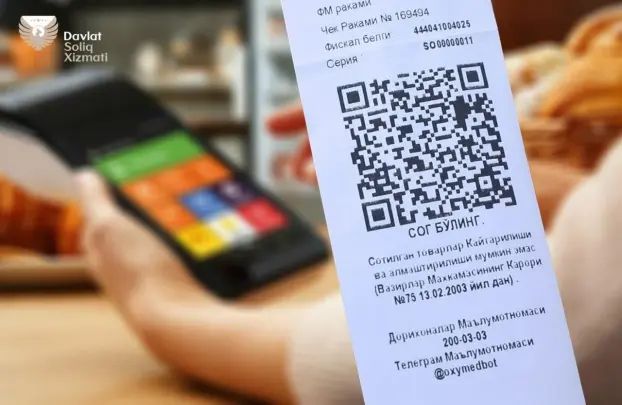
Authorities in Tashkent, Uzbekistan, have uncovered a scheme involving the fraudulent issuance of purchase receipts, leading to the embezzlement of state budget funds. Investigations revealed that officials from three limited liability companies (LLCs) illegally appropriated approximately 1.4 billion Uzbekistani Som (equivalent to roughly $130 million USD based on current exchange rates) through a fake cashback system. This discovery was made during a pre-investigation check into the activities of these companies. The scheme involved creating fabricated transactions to claim illegitimate cashback reimbursements from the government. The total amount misappropriated highlights a significant financial fraud targeting public funds. Further details regarding the specific methods used to generate the fake receipts and the timeline of the embezzlement are expected as the investigation progresses. The case underscores concerns about the oversight and control mechanisms for state-funded programs and the potential for sophisticated fraud within the system.
This incident reveals a vulnerability in Uzbekistan's state budget management and cashback incentive programs, where fabricated transactions were exploited to divert public funds. The scale of the alleged embezzlement, amounting to 1.4 billion Som, suggests a systemic issue rather than isolated fraud, potentially involving sophisticated methods to bypass existing controls. Future policy considerations should focus on enhancing digital verification processes for all financial transactions, implementing robust auditing protocols for cashback programs, and strengthening inter-agency cooperation to detect and prevent such illicit activities. Addressing these governance gaps is crucial for maintaining public trust and ensuring the efficient allocation of state resources, particularly as Uzbekistan aims to modernize its economy and digitalize public services.
AI-generated to prompt reflection — not editorial opinion, not advice, not a statement of fact. How this works.