Uzbekistan Introduces New Regulations for Student Dormitory Construction
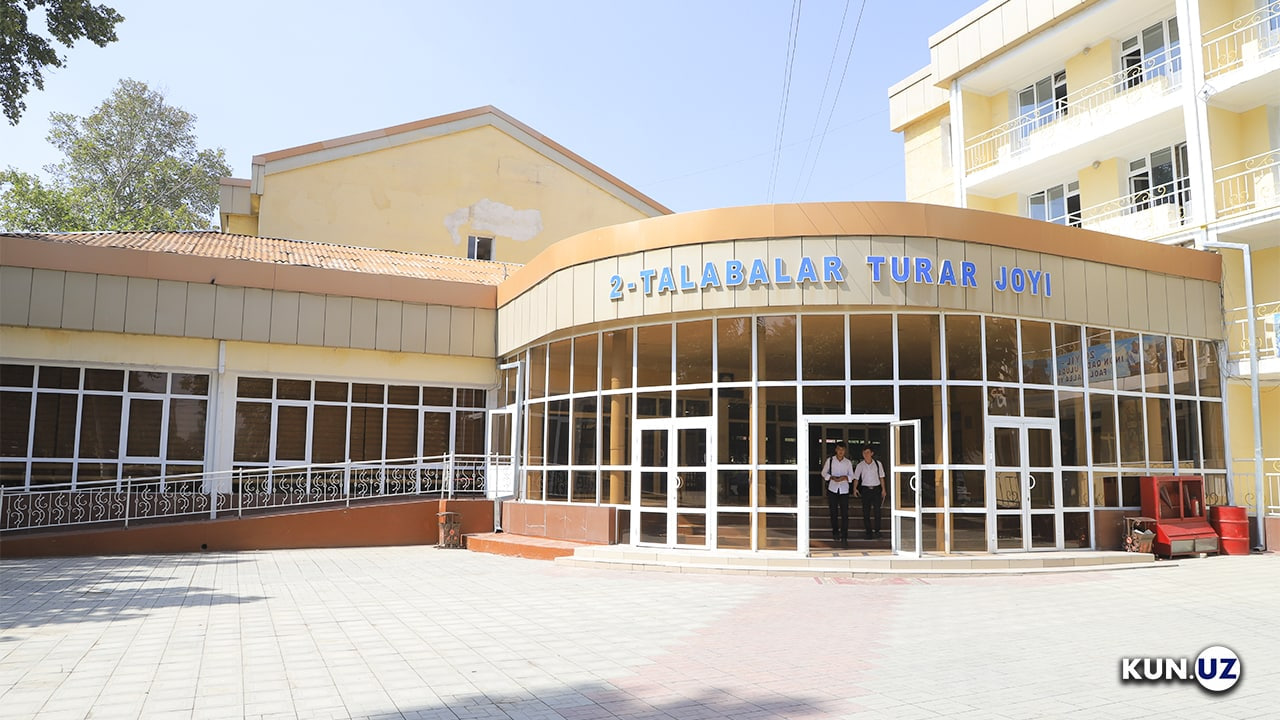
Uzbekistan is set to implement new regulations concerning the construction of student dormitories, effective July 1, 2026. Under the revised rules, the practice of building new dormitories with a capacity of 50 beds, commissioned by state higher education institutions and undertaken by private entrepreneurs, will be discontinued. Instead, future projects for student housing will operate under a Public-Private Partnership (PPP) model. These new PPP-based projects will be required to accommodate a minimum of 200 students. This change aims to streamline the development of student accommodation and ensure larger, more efficient facilities are built to meet the growing needs of higher education students in the country.
The shift in Uzbekistan's student dormitory construction policy from smaller, state-commissioned projects to larger, PPP-based initiatives requiring a minimum of 200 beds signals a strategic move towards economies of scale and potentially greater private sector involvement. This approach may aim to attract more substantial private investment and streamline the development process, leading to more efficient use of resources and potentially faster delivery of housing. However, the policy's success will depend on the regulatory framework's ability to ensure fair competition, transparent contract awarding, and adequate oversight to prevent monopolistic tendencies or inflated costs. The long-term impact will be observed in how effectively these larger facilities meet diverse student needs and affordability, especially considering the transition away from smaller, potentially more localized, building practices.
AI-generated to prompt reflection — not editorial opinion, not advice, not a statement of fact. How this works.