Uzbekistan Plans 11 Waste-to-Energy Plants Valued at Over $1.5 Billion
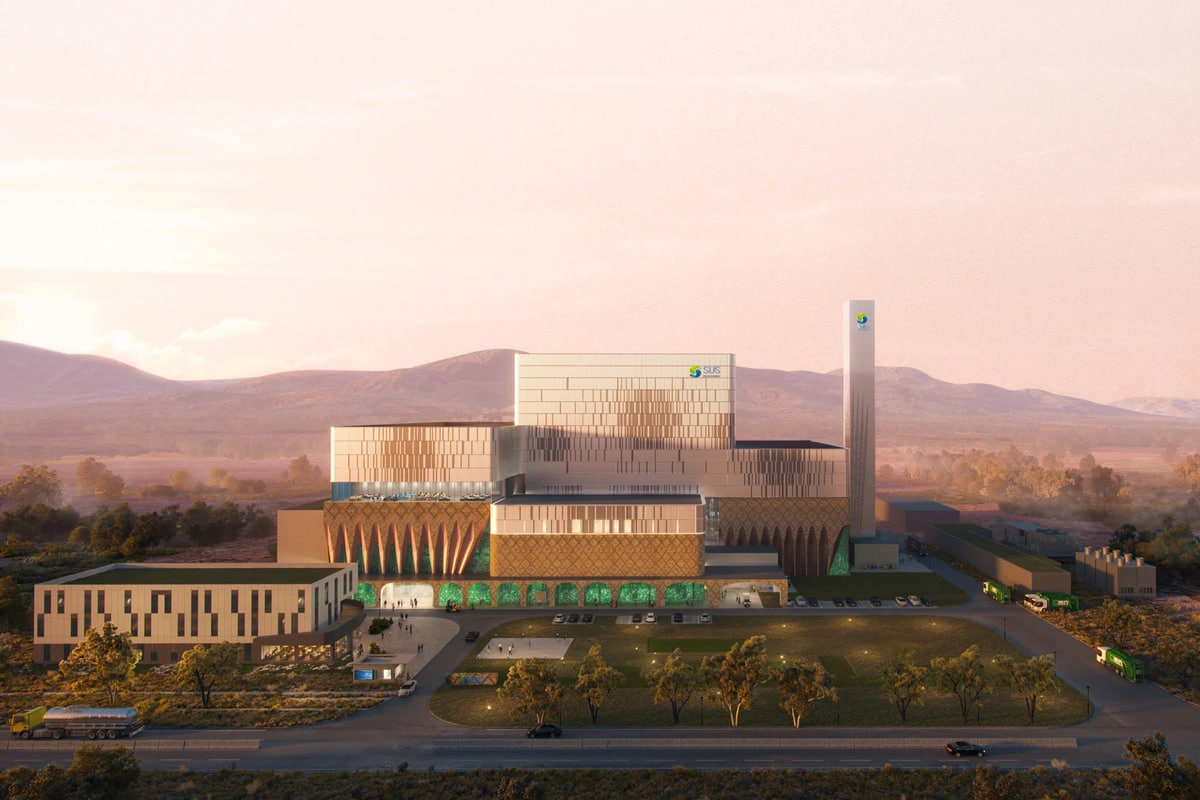
Uzbekistan is embarking on a significant infrastructure development initiative focused on waste processing and electricity generation. The nation plans to construct 11 modern waste-to-energy plants across various regions. The total investment for these projects is projected to exceed $1.5 billion. This undertaking aims to address waste management challenges while simultaneously producing clean energy. The construction of these facilities represents a substantial step towards modernizing Uzbekistan's environmental and energy sectors. The government anticipates that these plants will contribute to reducing landfill waste and increasing the country's renewable energy capacity. Further details regarding specific locations and construction timelines are expected as the projects progress.
Uzbekistan's initiative to build 11 waste-to-energy plants reflects a global trend towards circular economy principles and sustainable energy solutions. This strategic move aims to tackle two critical issues: mounting landfill waste and the demand for reliable energy. By converting waste into electricity, the country can potentially reduce its environmental footprint and enhance energy security. The substantial investment of over $1.5 billion signals a commitment to large-scale infrastructure development. Future success will likely depend on efficient project execution, robust regulatory frameworks, and the integration of these new facilities into the existing energy grid. This development also presents an opportunity to foster technological innovation and create green jobs within Uzbekistan.
AI-generated to prompt reflection — not editorial opinion, not advice, not a statement of fact. How this works.