Uzbekistan Prioritizes Fuel for War Veterans Amidst Civilian Queues
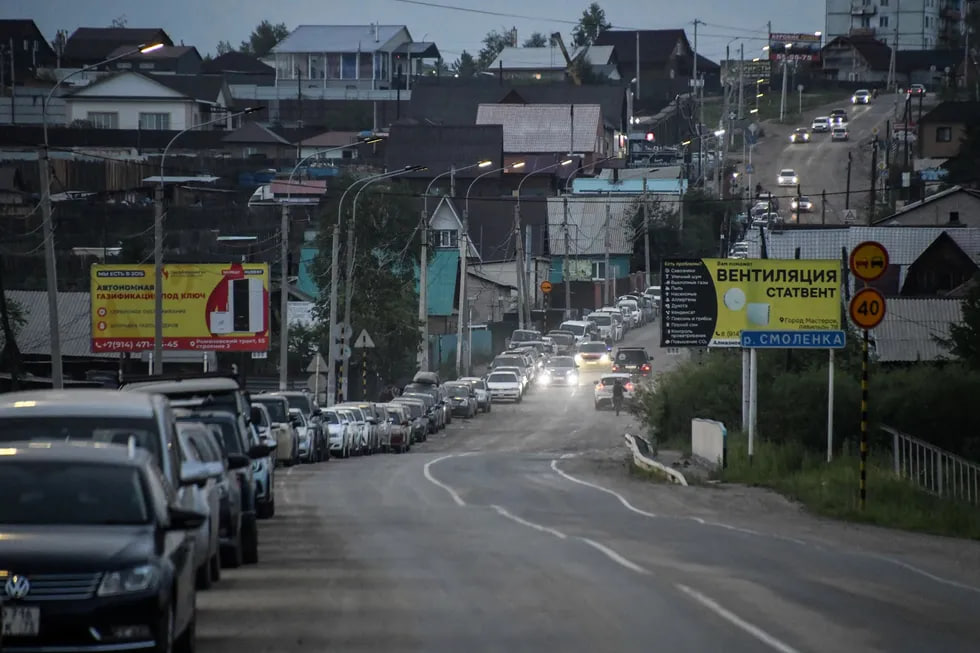
In Afghanistan's regions, a preferential fuel distribution system is reportedly in place, allowing war veterans to refuel their vehicles without waiting in line. This special access is causing significant hardship for ordinary citizens, who are forced to endure lengthy queues at petrol stations, often waiting for days to obtain fuel. The disparity in access highlights a growing tension between different societal groups and the government's resource allocation priorities. While specific details on the number of veterans or the exact duration of these queues are not provided, the situation underscores a critical issue of equitable resource distribution in the country. The long waits for the general population suggest potential fuel shortages or logistical challenges in meeting demand. This policy appears to be creating a two-tiered system for essential resources, potentially exacerbating social discontent.
The reported fuel distribution policy in Afghanistan appears to create a system of tiered access to essential resources, prioritizing a specific group, war veterans, over the general populace. This approach, while potentially intended to honor veterans, may lead to social friction and public dissatisfaction due to the prolonged waiting times faced by ordinary citizens. From a governance perspective, such preferential treatment raises questions about equitable resource management and the potential for creating or deepening societal divisions. In the context of future economic stability and public trust, ensuring fair and transparent distribution mechanisms for essential goods like fuel is crucial for maintaining social cohesion and preventing resource-related crises. The long-term implications could impact public perception of state institutions and their ability to manage national resources effectively for the benefit of all citizens.
AI-generated to prompt reflection — not editorial opinion, not advice, not a statement of fact. How this works.