Uzbekistan's First Lady Hails New Deputy Prime Minister for Women's Affairs
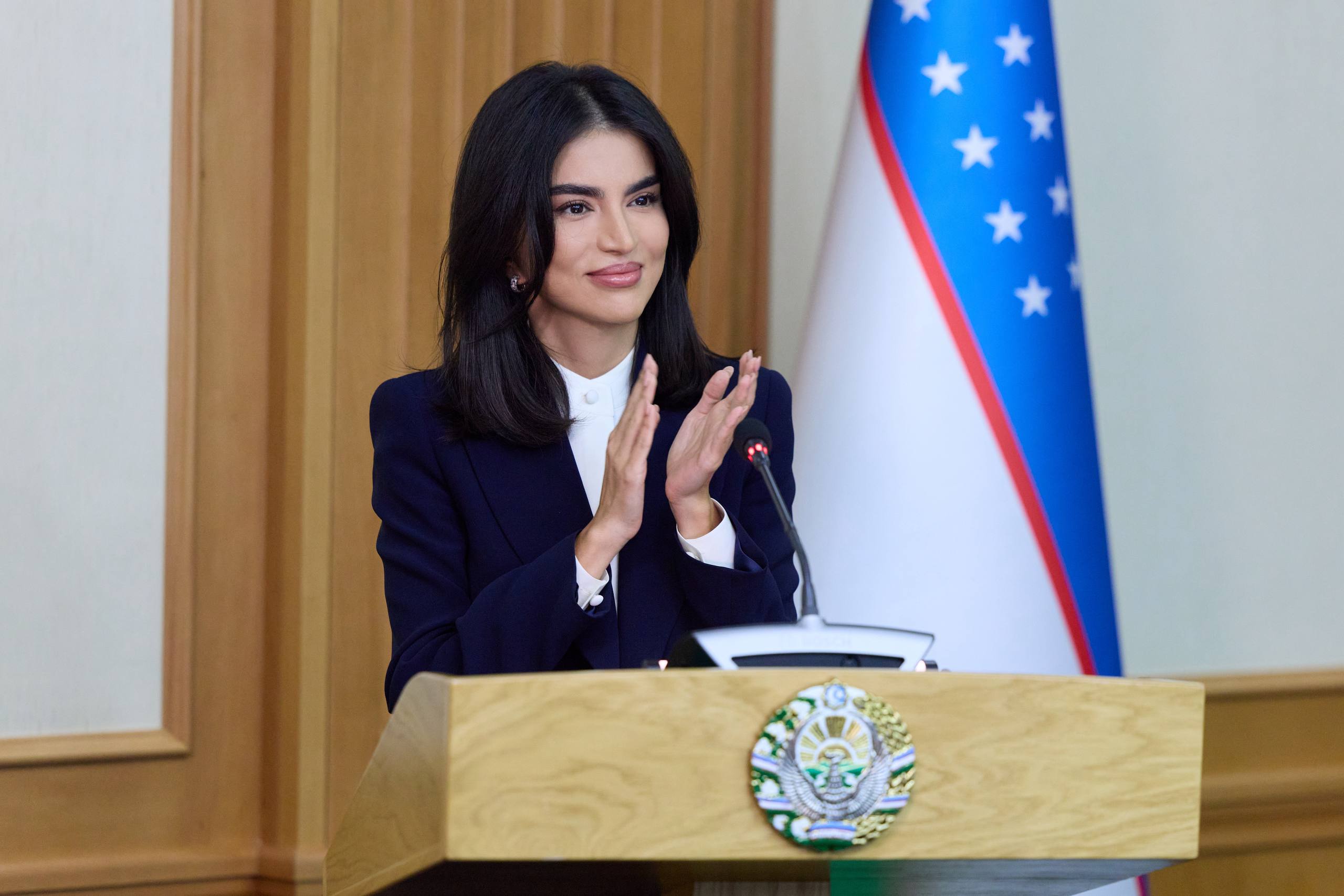
Saida Mirziyoyeva, head of the Presidential Administration of Uzbekistan, has officially welcomed the appointment of Dilnozaxon Kattaxanova as the new Deputy Prime Minister for Women's Affairs. Mirziyoyeva expressed her belief that women facing difficult circumstances should feel the government's support and attention. This appointment signifies a commitment to addressing the needs and challenges of women within the country. The move is seen as a positive step towards strengthening policies and initiatives focused on gender equality and women's empowerment. The government aims to ensure that women are not overlooked and that their well-being is a priority. Kattaxanova's role will be crucial in advocating for women's rights and implementing programs to improve their social and economic standing. Mirziyoyeva's endorsement underscores the importance of this new position in the governmental structure. The focus will be on tangible actions that demonstrate the state's care for its female citizens. This initiative is expected to foster a more inclusive and supportive environment for women across Uzbekistan.
The appointment of a dedicated Deputy Prime Minister for Women's Affairs, endorsed by the head of the Presidential Administration, signals a strategic governmental focus on gender-related issues. This move can be analyzed through the lens of evolving governance structures aimed at addressing societal needs more effectively. By creating a specific high-level role, Uzbekistan appears to be institutionalizing support for women, potentially enhancing policy implementation and resource allocation. The emphasis on women in difficult situations suggests a recognition of specific vulnerabilities and a desire to improve social safety nets. From a future-oriented perspective, the success of this initiative will likely depend on the integration of this new office with existing ministries and the establishment of clear metrics for progress in areas such as economic empowerment, education, and protection against discrimination. The government's proactive stance, as articulated, could foster greater public trust and contribute to long-term social stability by addressing systemic inequalities.
AI-generated to prompt reflection — not editorial opinion, not advice, not a statement of fact. How this works.