Várzea Grande City Hall Warehouse Fire Causes Nearly $15 Million in Damages
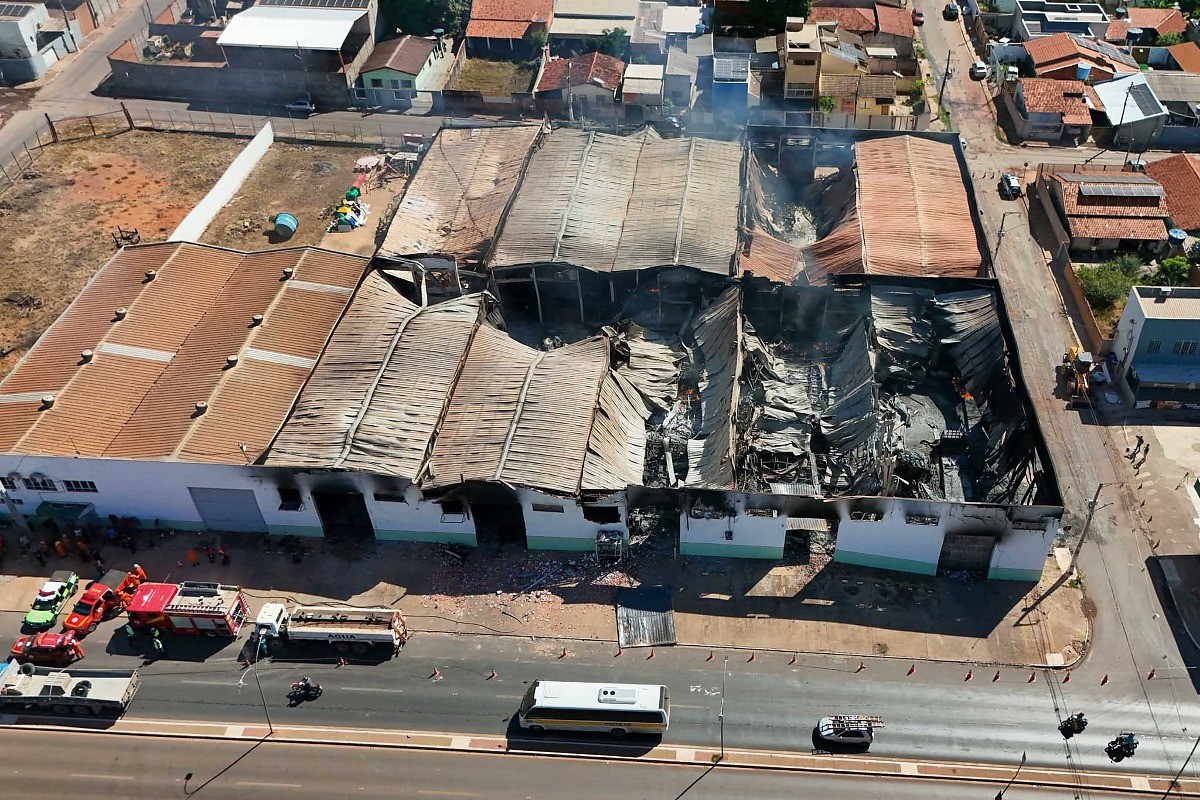
A fire at the Municipal Secretariat of Education, Culture, Sport, and Leisure (Smecel) warehouses in Várzea Grande has resulted in an estimated loss of R$14.9 million to public funds. The Várzea Grande city administration calculated the financial impact after assessing the damage caused by the blaze. The education sector bore the brunt of the destruction, with numerous items like books, toys, chairs, mats, air conditioners, refrigerators, freezers, and playground equipment, intended for distribution to municipal units and new schools, being consumed by the flames. Even some teaching materials scheduled for the second half of 2026 were lost. Despite the significant material loss, the Secretariat assures that the school calendar will remain unchanged and classroom activities will proceed normally, utilizing existing pedagogical resources. Students will continue to have access to books from the National Program for Books and Educational Materials (PNLD), materials from the Alfabetiza MT and Mais Infância programs, as well as literary collections, educational games, and digital platforms. The Pedagogical Superintendence has also adjusted unit planning to ensure all curriculum objectives for the academic year are met. The fire occurred on June 17th, impacting warehouses at Smecel's Annex I, which houses the School Meal Distribution Center and the Central Warehouse on Filinto Müller Avenue. The blaze also affected the local electrical grid. In response, Mayor Flávia Moretti declared a 180-day state of administrative calamity for the secretariat, enabling emergency procurement to restore the affected infrastructure. Investigations by the Official Expertise and Technical Identification (Politec) have ruled out arson, with preliminary findings suggesting a thermoelectric phenomenon in the wiring above a cold storage unit for frozen foods as the cause.
The significant financial loss incurred by Várzea Grande from the warehouse fire highlights critical vulnerabilities in municipal asset management and storage protocols. While the preliminary investigation points to an accidental cause, the scale of destruction underscores the need for robust infrastructure resilience and regular maintenance, particularly for electrical systems in storage facilities. The city's swift declaration of administrative calamity and plans to utilize existing resources demonstrate adaptive governance, but the long-term implications of such losses on educational continuity and resource allocation warrant ongoing scrutiny. This event serves as a case study for municipal governments nationwide, emphasizing the importance of investing in preventative safety measures and diversified supply chains to mitigate the impact of unforeseen events on public services and educational continuity in the coming decade.
AI-generated to prompt reflection — not editorial opinion, not advice, not a statement of fact. How this works.