Várzea Grande Councilor Acquitted of Drug Trafficking Association Charges
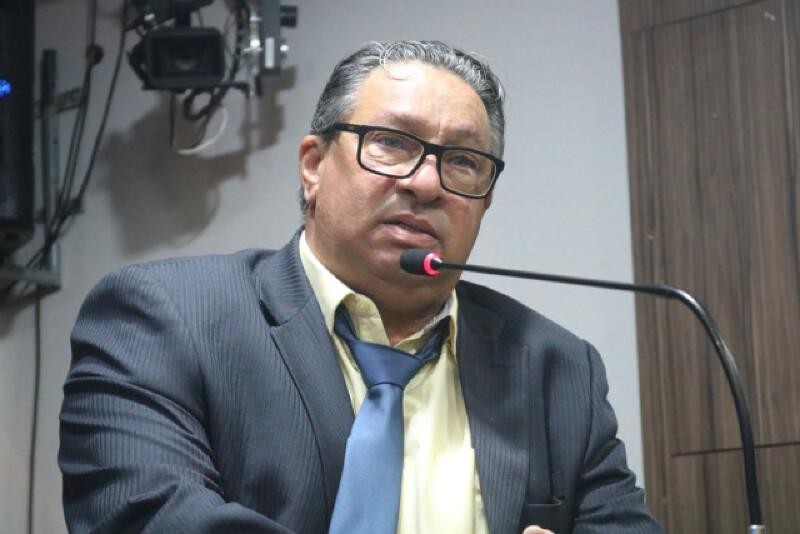
Calistro Lemes do Nascimento, a city councilor in Várzea Grande, Mato Grosso, known as Jânio Calistro, has been acquitted of charges related to drug trafficking association. The decision was made on Tuesday, May 21st, by Judge Cristhiane Trombini Puia Baggio of the 3rd Criminal Court of Várzea Grande. The judge found insufficient evidence to convict him, while three other individuals were sentenced for drug trafficking association in the same ruling. Regarding Calistro, the court determined that the evidence presented by the Public Ministry did not clearly establish his involvement in a criminal organization focused on drug trafficking. Although phone conversations between the councilor and an investigated individual were noted, the judge highlighted the absence of seized drugs, money, documents, or any other evidence proving his participation in the criminal scheme. Furthermore, the investigating delegate did not identify Calistro as part of the criminal groups identified during Operation Clean-Up. Searches of Calistro's home and office yielded no materials linked to drug trafficking, only ammunition and a firearm magazine deemed compatible with his retired police status. The judge cited that telephone interceptions alone are insufficient to prove drug trafficking association, applying the principle of 'in dubio pro reo' – in doubt, favor the accused.
This case underscores the critical importance of concrete evidence beyond circumstantial communications in criminal proceedings. The judicial decision emphasizes that mere conversations, without corroborating seizures or direct links to criminal activities, do not meet the threshold for conviction in drug trafficking association charges. This ruling highlights a fundamental legal principle, 'in dubio pro reo,' ensuring that accusations must be proven beyond reasonable doubt. Moving forward, law enforcement and prosecution strategies may need to refine their reliance on digital communications, ensuring robust physical or direct transactional evidence is gathered to support charges, particularly in complex organized crime investigations. The application of this principle serves as a safeguard against potential overreach based on incomplete data, reinforcing due process.
AI-generated to prompt reflection — not editorial opinion, not advice, not a statement of fact. How this works.