Várzea Grande Declares State of Emergency Due to Drought and High Temperatures
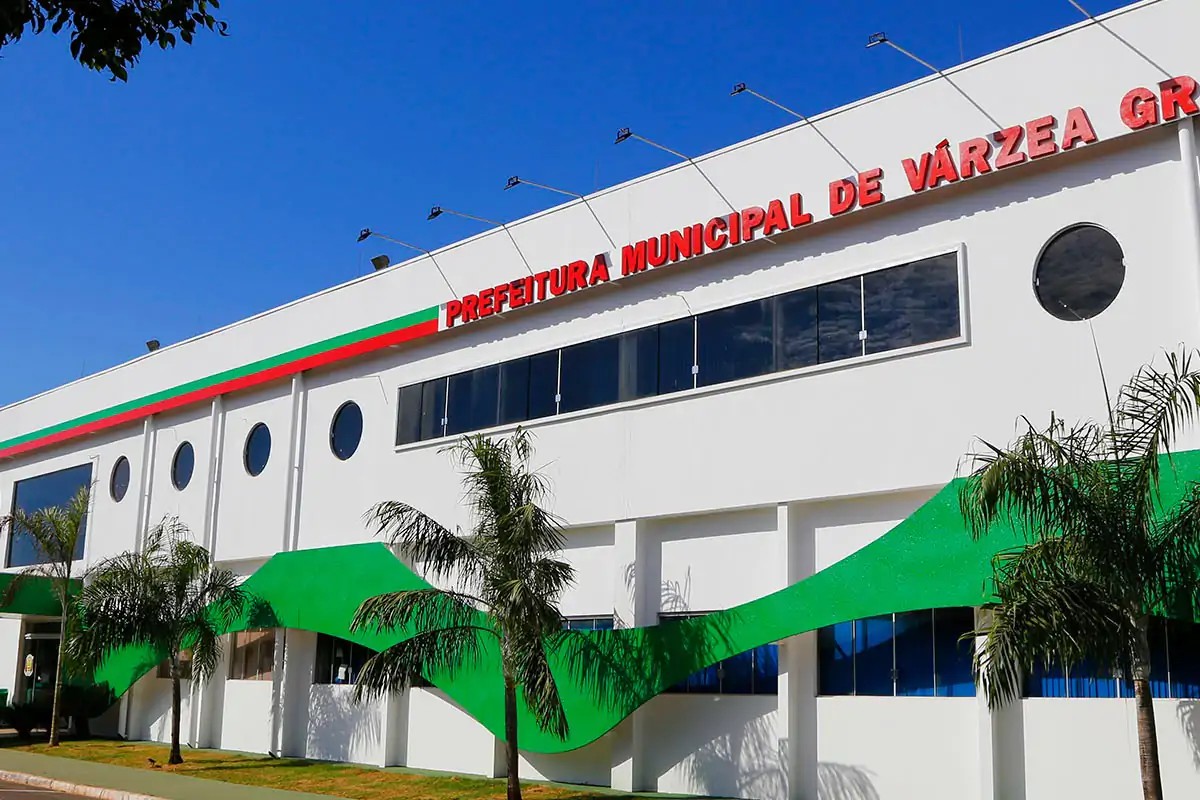
The municipality of Várzea Grande, in the state of Mato Grosso, Brazil, has declared a state of emergency due to a severe drought, high temperatures, and low air humidity. These conditions have significantly impacted the local water supply. The emergency declaration allows the local government to implement immediate measures to mitigate the effects on the population. This decision follows a recommendation from the Municipal Civil Defense, based on a report from an inspection of the Water Treatment Station (ETA) conducted on July 27. The inspection was prompted by reports of water shortages across various city districts. While the Cuiabá River has adequate water volume, the existing infrastructure is insufficient to meet the increased demand during the dry season. The report attributes the drought's severity to the El Niño phenomenon, which has caused intense heat, low humidity, and a prolonged dry spell, leading to higher water consumption precisely when the supply system faces its greatest challenges. Jovanil Flores da Silva, Coordinator of Civil Defense, stated that the decree enables faster municipal action and the organization of support initiatives for residents, urging them to conserve water. Initial steps include forwarding the report to municipal secretariats to identify vulnerable areas and families for targeted assistance. Civil Defense will continue to monitor the water supply and drought situation to implement further measures if required.
The declaration of a state of emergency in Várzea Grande highlights the systemic vulnerabilities of urban water infrastructure when confronted with climate-induced extreme weather events, exacerbated by phenomena like El Niño. While immediate relief measures are crucial for the population, this situation underscores a broader challenge: the need for long-term urban planning and infrastructure investment that accounts for escalating climate risks. The reliance on a system unable to cope with increased demand during predictable dry seasons, despite sufficient river flow, points to potential inefficiencies in resource management or capital allocation. Future strategies should consider adaptive infrastructure, water conservation policies, and potentially diversified water sources to build resilience against recurring drought conditions in the coming decade.
AI-generated to prompt reflection — not editorial opinion, not advice, not a statement of fact. How this works.