Várzea Grande offers new protection for premature babies against RSV virus
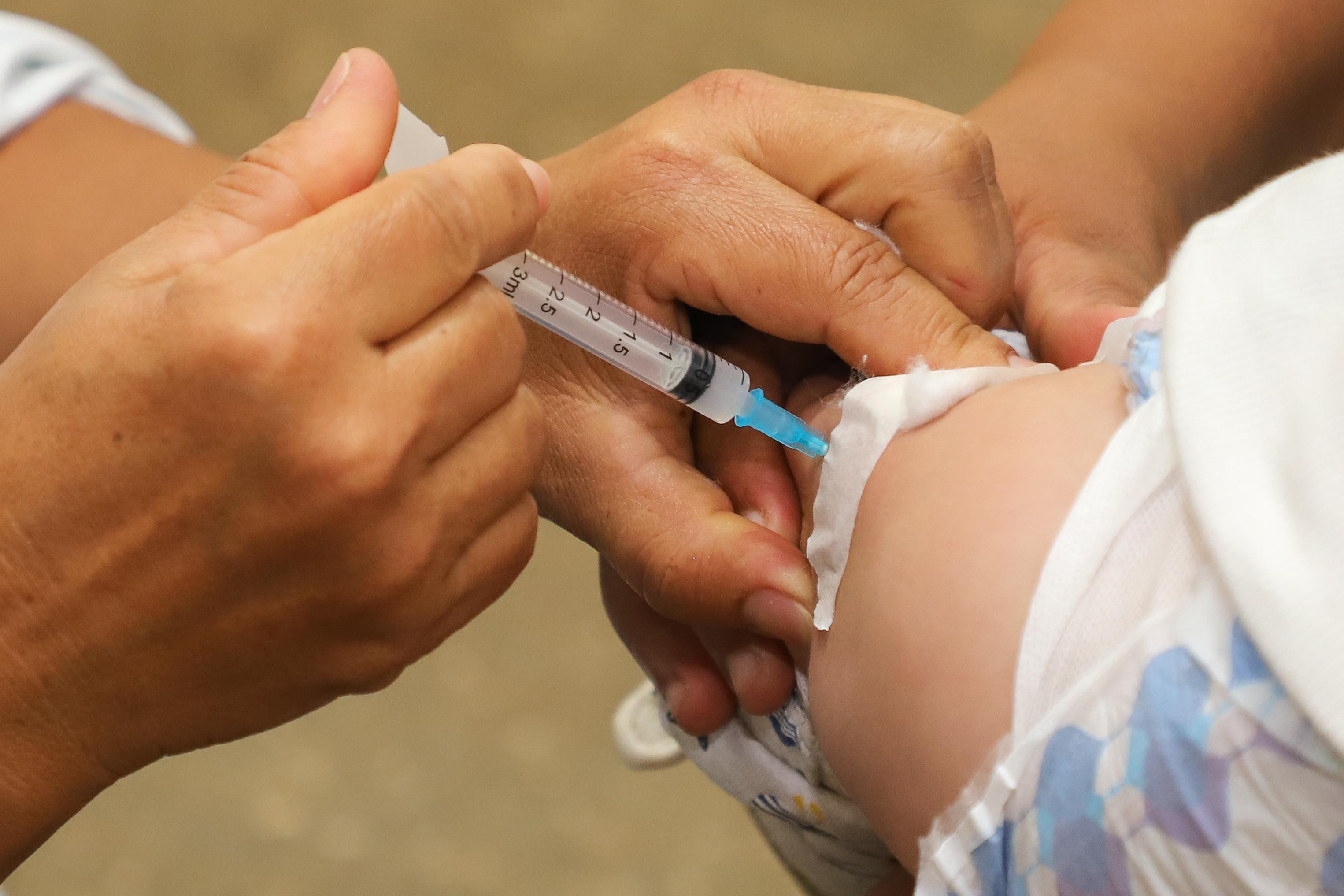
Várzea Grande, a metropolitan region of Cuiabá, Brazil, has begun administering Nirsevimabe to protect premature infants from the Respiratory Syncytial Virus (RSV), a primary cause of severe bronchiolitis and pneumonia in young children. This is the first time the medication, which provides immediate protection, is being offered in the city. Nirsevimabe is an injectable antibody, not a traditional vaccine, designed to help a baby's body fight off the virus shortly after administration. The treatment is available at the Dr. Francisco Lustosa Public Maternity Hospital and various Basic Health Units (UBSs) within Várzea Grande. The UBS Jardim Glória was the first non-maternity facility to administer the drug. Since February, 19 doses have been given to premature newborns at the maternity ward. Eligibility criteria, set by the Unified Health System (SUS), include infants born before 37 weeks of gestation. The injection is given intramuscularly shortly after birth or once the infant is clinically stable. Additionally, children up to 24 months with specific comorbidities that leave them vulnerable during a second RSV season are also eligible. These comorbidities include congenital heart disease, chronic lung disease of prematurity, severe immunodeficiency, cystic fibrosis, neuromuscular diseases, congenital airway abnormalities, and Down syndrome. The application timing and necessity depend on the child's health condition and weight, with some receiving it during hospitalization and others later at a UBS. The Ministry of Health reports that RSV causes approximately 80% of bronchiolitis cases and up to 60% of pneumonias in children under two years old in Brazil, with infants under one year, especially those under six months, being the most vulnerable due to immature immune systems. RSV circulation typically peaks during the colder months of autumn and winter.
Várzea Grande's initiative to provide Nirsevimabe reflects a proactive public health strategy targeting a significant pediatric respiratory pathogen. By offering this passive immunization, the municipality addresses a critical vulnerability in premature infants and those with specific comorbidities, aiming to reduce severe illness and hospitalization rates during peak RSV seasons. This approach highlights a growing trend in preventative medicine, moving beyond traditional vaccination schedules to incorporate antibody-based interventions for immediate protection against prevalent infectious agents. The program's success will likely depend on sustained funding, effective distribution logistics across healthcare facilities, and continued public awareness to ensure eligible infants receive timely administration, thereby optimizing its impact on community health outcomes and potentially influencing broader national healthcare policy for RSV prevention.
AI-generated to prompt reflection — not editorial opinion, not advice, not a statement of fact. How this works.