Val Maira: An Italian Valley Embracing Solitude as a Shield Against Overtourism
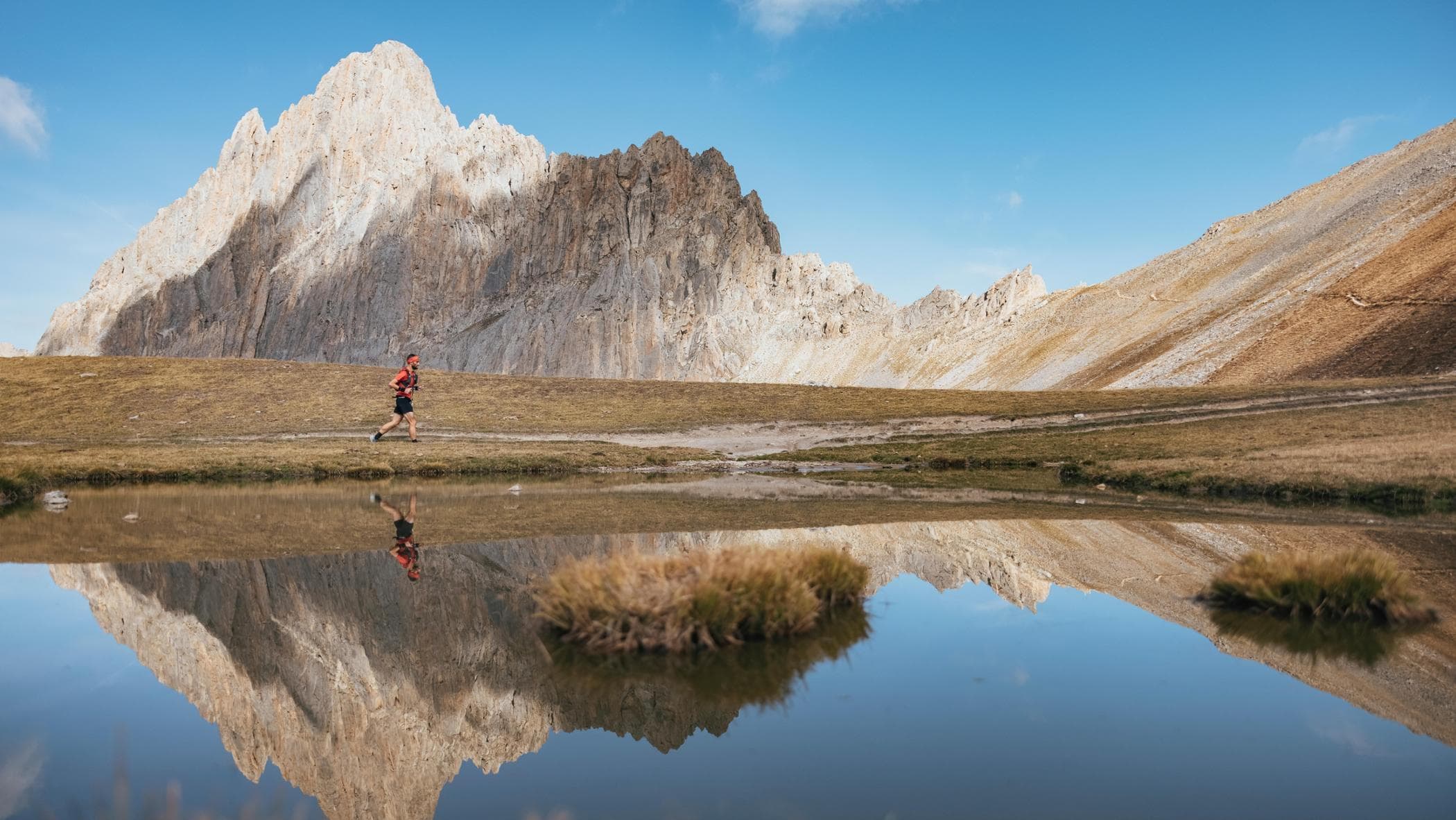
The fourth installment of the series 'Via dalla pazza folla' (Away from the Madding Crowd) focuses on Alta Val Maira, a remote destination far from mass tourism. This Italian valley, located in the Piedmont region, is highlighted for its strategy of using isolation as a defense mechanism against overtourism. The narrative explores the region's natural beauty and its significant partisan history. The series, featuring contributions from Repubblica journalists, aims to showcase destinations that offer an alternative to crowded tourist hotspots. Alta Val Maira's unique approach emphasizes a slower, more immersive travel experience, prioritizing the preservation of its environment and cultural heritage. The valley's low population density, with only one inhabitant per square kilometer, contributes to its tranquil atmosphere and its ability to manage visitor numbers effectively. This initiative seeks to balance tourism with the conservation of local identity and natural landscapes.
Alta Val Maira's deliberate embrace of isolation as a strategy against overtourism presents an interesting case study in sustainable tourism models. By leveraging its low population density and remote location, the valley aims to preserve its natural and historical assets, including its partisan heritage. This approach contrasts sharply with destinations that prioritize high visitor volume, potentially leading to environmental degradation and cultural dilution. The long-term success of this model will likely depend on maintaining a delicate balance between attracting enough tourism to support the local economy and preventing the very over-saturation it seeks to avoid. Future challenges may include managing accessibility and ensuring that the 'isolation' itself does not become a novel form of attraction that paradoxically leads to increased, albeit managed, visitor numbers, thereby testing the resilience of its unique environment and cultural fabric.
AI-generated to prompt reflection — not editorial opinion, not advice, not a statement of fact. How this works.