Vale do Paraíba and Bragança Region See 23.8% Drop in Burned Area in 2025
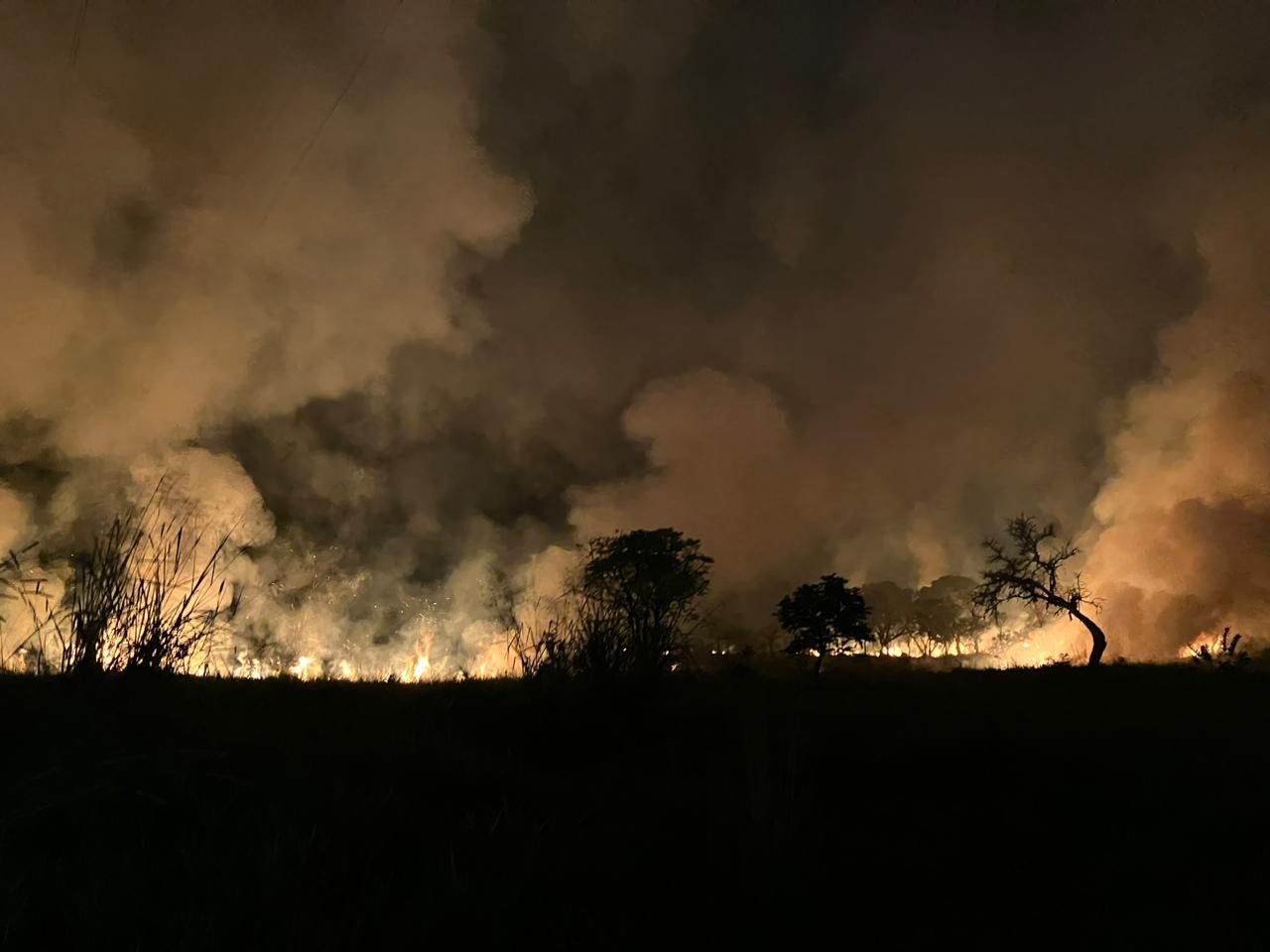
The Vale do Paraíba and Bragança region experienced a significant reduction in burned land in 2025, with a total of approximately 10,200 hectares affected by fire. This figure represents a 23.85% decrease compared to 2024, when over 13,300 hectares were burned. These statistics are part of the latest annual report from MapBiomas, which tracks fire incidents across Brazil. Despite the overall decrease, the 2025 burned area in the region ranks as the eighth largest since MapBiomas began its historical records in 1985. The highest recorded year was 1999, with over 16,700 hectares consumed by fire.
Within the region, Bragança Paulista recorded the largest burned area in 2025, with 976 hectares. This represents a substantial 168.9% increase from 2024, when 363 hectares were burned, and marks the highest figure for the city since 1985, nearly doubling the previous record of 571 hectares in 1999. Other cities with significant burned areas in 2025 include Pindamonhangaba (930 hectares), Areias (833 hectares), Taubaté (722 hectares), and Silveiras (583 hectares). São José dos Campos, the region's largest city, saw 494 hectares burned, an increase of 13.8% from 2024's 434 hectares, and the largest area burned since 2003.
The reported decrease in burned area across the Vale do Paraíba and Bragança region in 2025, as per MapBiomas data, suggests a potential positive shift in land management or environmental conditions. However, the stark increase in burned area within Bragança Paulista, reaching a historical high for the city, warrants further investigation into local contributing factors. This localized anomaly, despite a regional decline, highlights the importance of granular data analysis to understand the diverse drivers of land fires, which can range from agricultural practices and climate variations to enforcement effectiveness. Future strategies may benefit from tailored interventions addressing specific urban or rural challenges, rather than relying solely on aggregate regional trends, to ensure sustained progress in fire prevention and mitigation.
AI-generated to prompt reflection — not editorial opinion, not advice, not a statement of fact. How this works.