Vale do Paraíba Faces Fire Risk as Air Humidity Drops Below 30%
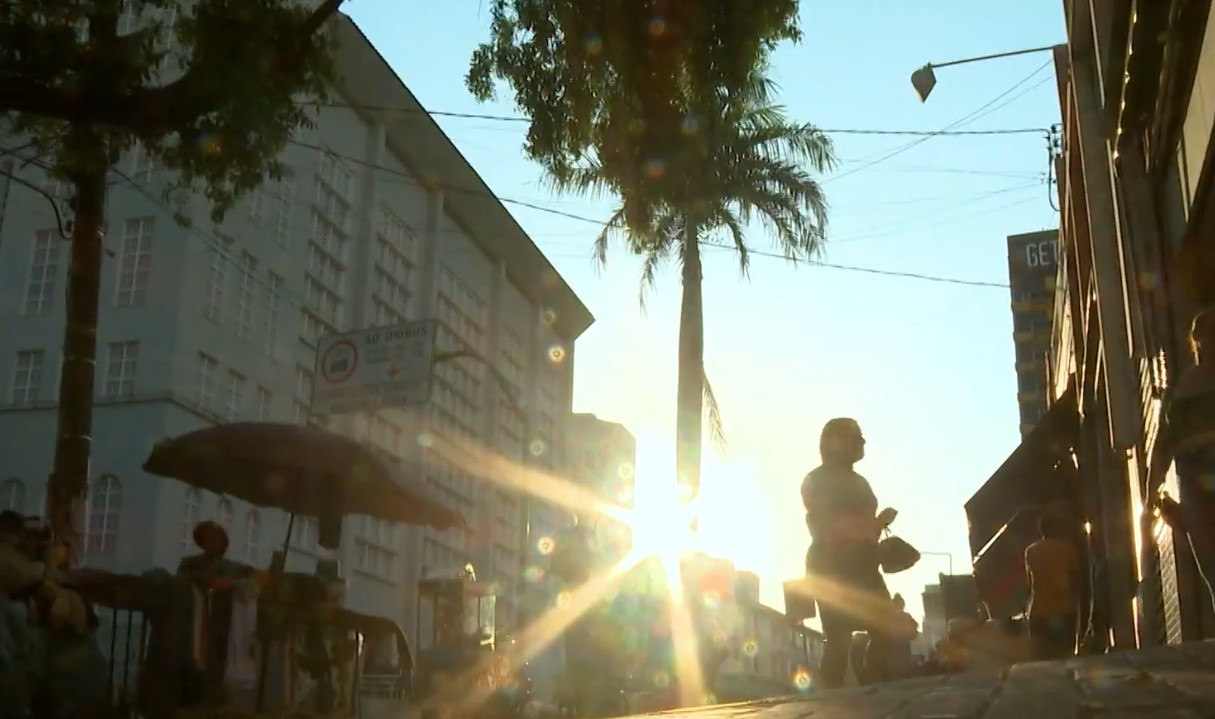
Several cities in Brazil's Vale do Paraíba region experienced relative air humidity below 30% on Sunday, October 2nd, according to the National Institute of Meteorology (Inmet). Cachoeira Paulista recorded the lowest humidity at 18%, while Taubaté registered 25% and São Luiz do Paraitinga reached 26%. Other cities like Bragança Paulista (28.2%) and São José dos Campos (32%) also saw significantly low levels. The World Health Organization (WHO) considers the ideal humidity range to be between 60% and 80%. Levels between 21% and 30% are classified as a state of attention, and below 20% requires increased precautions due to respiratory issues and dry air discomfort. This dry weather, combined with high temperatures and lack of rain, has placed the region under an alert for vegetation fires. The risk of fires is expected to remain elevated throughout the week, particularly in rural and forested areas, due to conditions favoring the emergence and rapid spread of ignitions. Authorities advise frequent water intake, avoiding strenuous activity during peak heat, extra care for children and the elderly, maintaining ventilation, using humidifiers, and strictly prohibiting open burning of trash or vegetation, as well as releasing balloons. The Civil Defense can be contacted at 199 for emergencies.
The current atmospheric conditions in Vale do Paraíba, characterized by critically low humidity and elevated temperatures, create a heightened risk for wildfires. This situation highlights the interplay between meteorological factors and human activity, as dry conditions amplify the potential for uncontrolled ignitions. The sustained lack of precipitation, coupled with the inherent flammability of vegetation during warmer periods, presents a systemic challenge for regional land management and public safety. Future planning should consider the increasing frequency of such extreme weather events, potentially driven by broader climate shifts, and explore proactive strategies for fire prevention and mitigation, including public awareness campaigns and enhanced monitoring systems.
AI-generated to prompt reflection — not editorial opinion, not advice, not a statement of fact. How this works.