Vale do Paraíba Region to Experience Sunny and Warm Weekend with Temperatures Up to 30°C
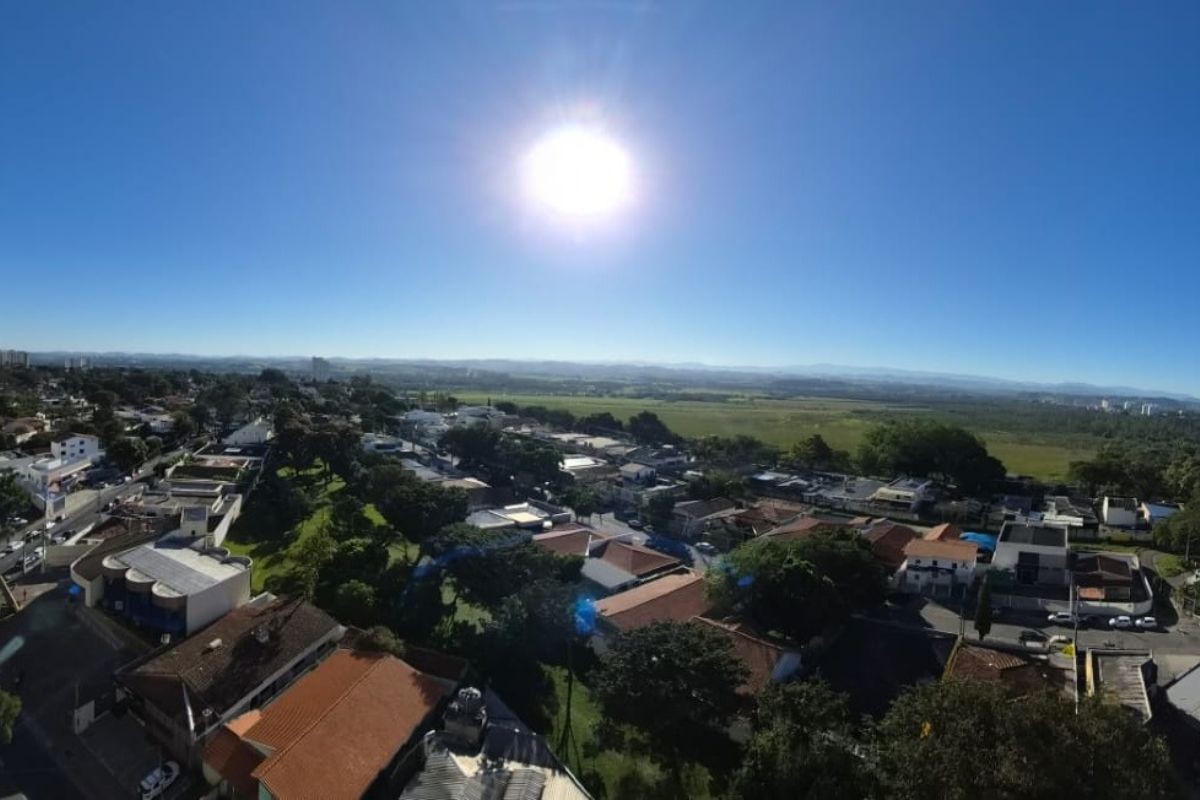
The Vale do Paraíba region in Brazil, including the Serra da Mantiqueira, Litoral Norte, and the Bragança Paulista area, is set for a weekend of stable weather with higher temperatures. According to the National Institute of Meteorology (Inmet), Saturday, July 18th, and Sunday, July 19th, will be characterized by mostly clear skies and no rainfall. While mornings and evenings will remain cool, typical of winter, afternoons are expected to bring significant warmth, with maximum temperatures potentially reaching 30°C in some locations, such as Ubatuba. This warm spell follows a recent cold front and is described by meteorologists as a 'veranico,' an unusual period of heat and dry conditions during winter, with maximum temperatures expected to be around 5°C above the historical average for July.
The weekend will also feature a notable thermal amplitude, meaning a significant difference between the minimum and maximum temperatures recorded daily. This phenomenon is common in drier winter conditions with less cloud cover. For instance, Pindamonhangaba is forecast to have a temperature range from 11°C to 29°C on Saturday, a 18°C difference. Campos do Jordão will see temperatures varying between 8°C and 18°C on the same day. While occasional wind gusts are possible due to a system affecting southern Brazil, no rain is anticipated for the region. Specific forecasts include São José dos Campos with highs of 27°C to 28°C, Taubaté with 28°C to 29°C, Pindamonhangaba with 29°C to 30°C, Bragança Paulista with 26°C to 27°C, Campos do Jordão with 18°C to 19°C, and Ubatuba with highs of 30°C on both days.
This weather forecast highlights a temporary deviation from typical winter conditions in Brazil's Vale do Paraíba region, characterized by a 'veranico' or Indian summer phenomenon. The event underscores the increasing unpredictability of regional weather patterns, potentially influenced by broader climate shifts. While the immediate impact is a pleasant, albeit warmer, weekend, such deviations can affect agricultural planning and water resource management. From a systems perspective, the occurrence of significant thermal amplitude, coupled with dry conditions, increases the risk of localized environmental stresses, such as increased fire potential in vegetated areas. Understanding the frequency and intensity of these 'veranico' events is crucial for developing adaptive strategies in infrastructure and natural resource sectors over the next decade, particularly as climate models project more extreme weather variability.
AI-generated to prompt reflection — not editorial opinion, not advice, not a statement of fact. How this works.