Valentim Gentil ER Patients Face Long Waits for Hospital Transfers Amidst Capacity Issues
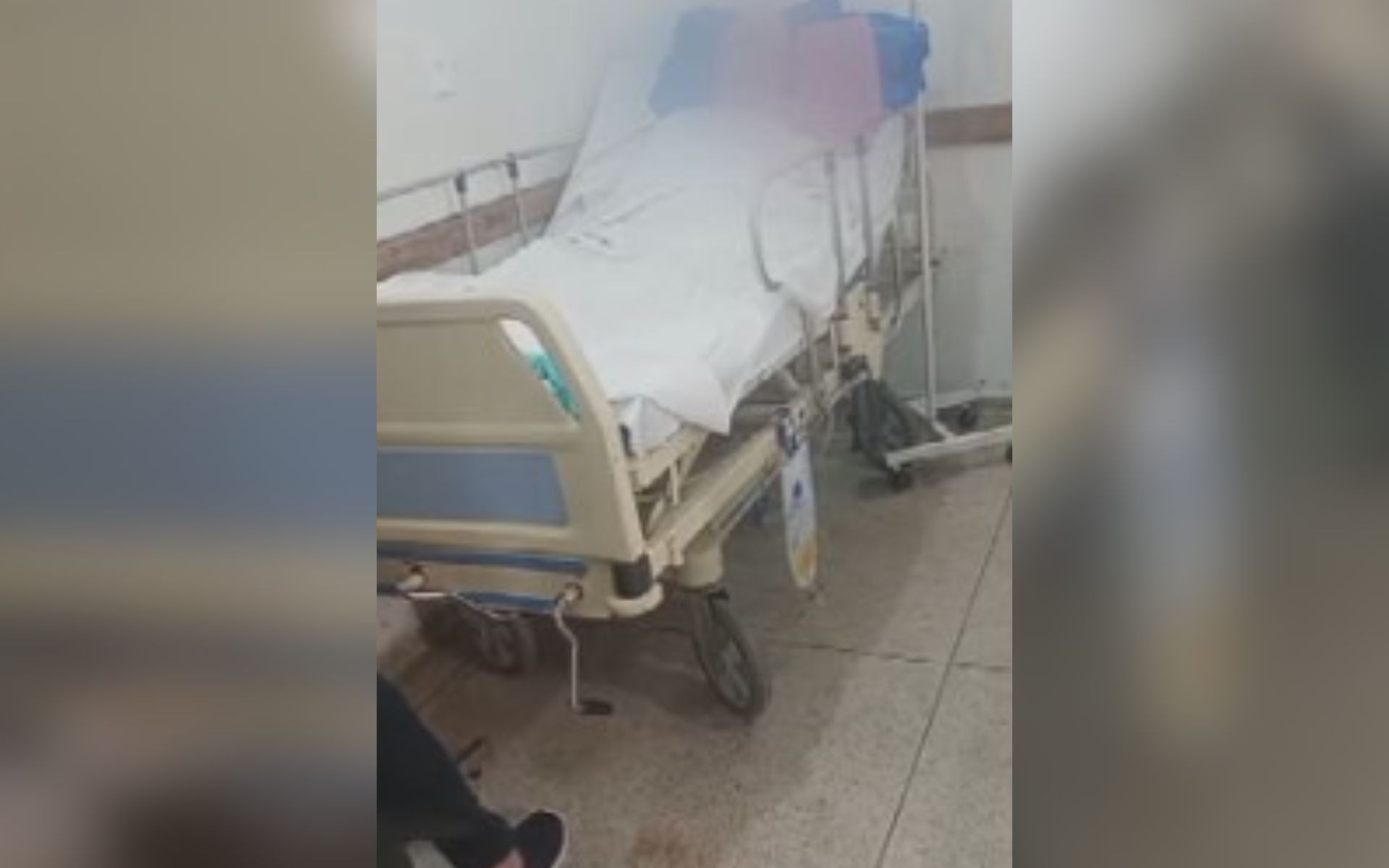
Patients at the emergency room in Valentim Gentil, São Paulo state, are experiencing significant delays in being transferred to reference hospitals in the northwest region of the state. Relatives reported to TV TEM that a lack of available beds within the State Health Network has led to patients being placed on makeshift stretchers and chairs. Susimar Rodrigues shared her father's case, a 70-year-old man who waited from Sunday until Wednesday afternoon for a transfer to Santa Casa de Votuporanga. Her father's X-rays revealed severe lung compromise, and he was admitted to the Cross system awaiting a bed, alongside four other elderly patients. Rodrigues also stated that the Valentim Gentil health department does not provide meals for patients awaiting transfer, and her father spent three days without a bath due to a lack of assistance. She expressed a desire for greater respect for the population from the health services. The Valentim Gentil City Hall responded that they do provide meals and assist with transfers. The State Health Secretariat attributed the increased demand and hospital occupancy to the circulation of respiratory viruses between March and July, leading to higher utilization of emergency services.
The situation in Valentim Gentil highlights systemic pressures within Brazil's public healthcare system, particularly concerning patient flow and bed management. The reported delays and lack of basic amenities suggest a potential disconnect between emergency care capacity and the availability of specialized or higher-level care facilities. While the State Health Secretariat cites seasonal viral outbreaks as a contributing factor, the prolonged wait times and the specific challenges faced by elderly patients raise questions about the efficiency of the Cross system and the allocation of resources. Future healthcare strategies may need to focus on improving inter-hospital coordination, enhancing the capacity of reference hospitals, and ensuring consistent provision of essential patient support services, even during periods of high demand, to uphold patient dignity and timely medical intervention.
AI-generated to prompt reflection — not editorial opinion, not advice, not a statement of fact. How this works.