Valika Hospital Cited for Unsafe Needle Disposal Amidst HIV Outbreak Investigation
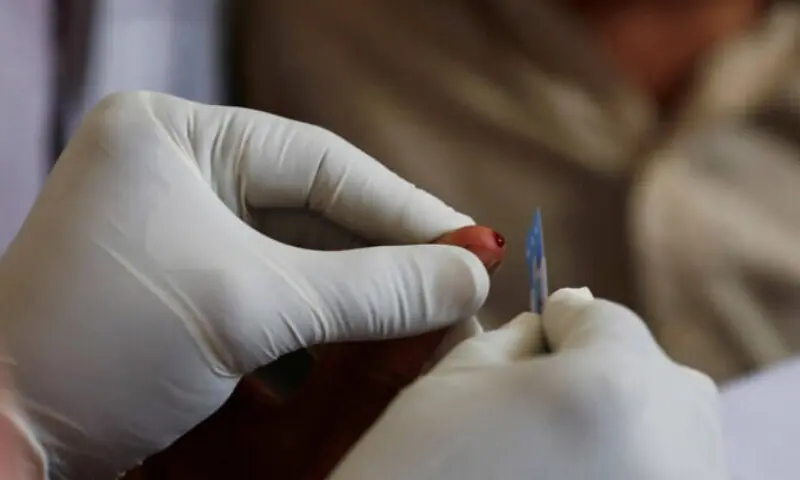
The Sindh Healthcare Commission (SHCC) has identified critical lapses in medical waste management at Valika Hospital, including the manual removal and improper disposal of used needles. An SHCC inspection team observed that needles were not being placed in sharps bins, raising concerns about their ultimate fate and the hospital's adherence to infection prevention and control (IPC) guidelines. Medical waste was also found to be unsegregated, and staff demonstrated poor knowledge of safe handling practices. These findings emerged during an investigation into an HIV outbreak at the SESSI-run hospital, which has affected at least 78 children, with an additional 120 cases identified in the surrounding area. The SHCC noted that while an IPC Committee was formed, formal IPC training had not been provided to staff, and written guidelines were absent. The functionality of the autoclave was unverified, and key personnel like nursing and OT staff were unavailable during duty hours, impeding the assessment of routine infection control. Despite these deficiencies, the hospital's medical superintendent and management showed commitment to improvement. However, efforts to implement corrective measures appeared hindered by staff unionization and a lack of cooperation from some employees. Many recommendations, such as procuring color-coded bins and auto-disable syringes, remain unimplemented. The SHCC will submit a detailed report to authorities for further action. Earlier, Sindh Chief Minister Syed Murad Ali Shah was briefed on inquiries that revealed protocol breaches and mishandling of syringes, leading to the suspension of 37 hospital staff members.
The inspection of Valika Hospital reveals systemic failures in basic healthcare safety protocols, directly linked to a significant public health crisis involving HIV transmission among children. The identified issues, such as improper needle disposal and inadequate waste segregation, point to a breakdown in operational governance and staff training. While management expressed commitment to improvement, the influence of staff dynamics and resistance to change suggest a complex organizational culture that may impede effective implementation of necessary reforms. Moving forward, a robust, independent oversight mechanism will be crucial to ensure sustained compliance with IPC standards, not only at Valika Hospital but across healthcare facilities in the region, to prevent future outbreaks and rebuild public trust in the healthcare system.
AI-generated to prompt reflection — not editorial opinion, not advice, not a statement of fact. How this works.