Valle del Cauca Hospitals Face Urgent Intervention Amid EPS Financial Crisis
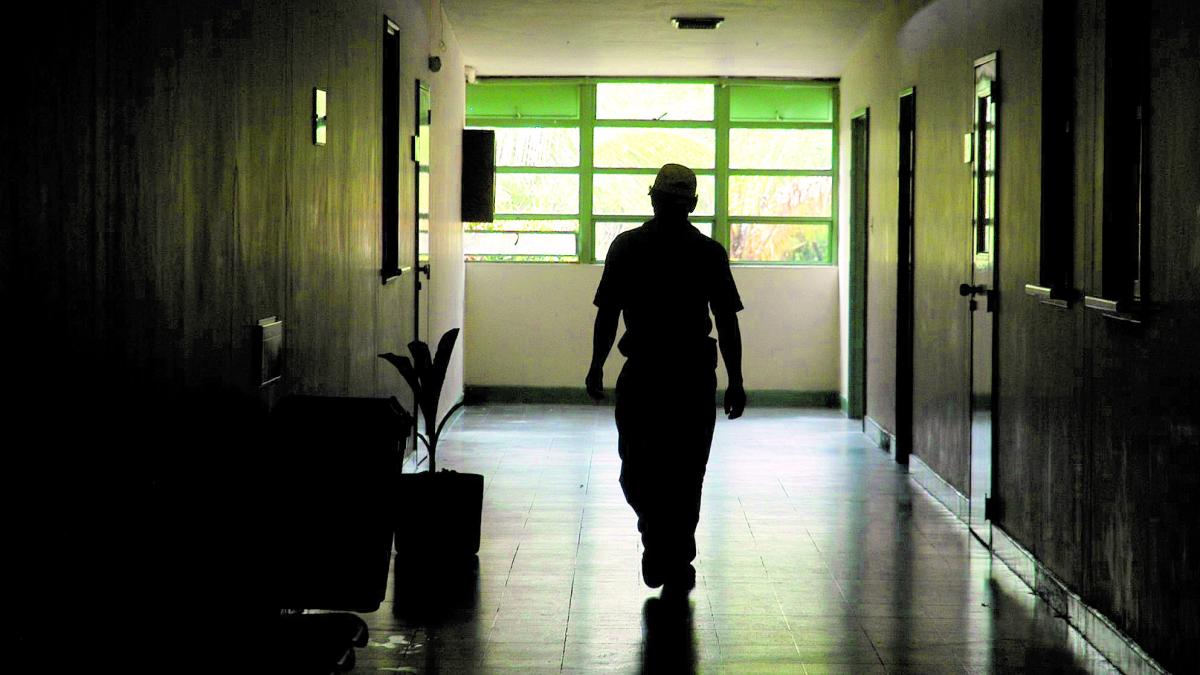
The Association of Public Hospitals of Valle del Cauca (Asohosval) has called for urgent intervention in the region's hospitals due to a severe financial crisis affecting Health Promoting Entities (EPS). The hospital network in Valle del Cauca is facing a significant challenge with an accumulated overdue debt exceeding 2.2 trillion Colombian pesos. This substantial financial strain directly jeopardizes the provision of emergency services to the population. The situation highlights the precarious financial health of the EPS, which are crucial for funding healthcare operations. Without immediate action, the capacity of these hospitals to respond to critical medical needs is at serious risk. Asohosval's plea underscores the urgency of addressing the underlying financial mechanisms that support the healthcare system in the department. The mounting debt suggests a systemic issue within the EPS's financial management or revenue collection processes. This crisis could have far-reaching consequences for public health in Valle del Cauca if not resolved promptly.
The financial distress of Health Promoting Entities (EPS) in Valle del Cauca, leading to a 2.2 trillion peso debt and jeopardizing hospital services, points to systemic challenges in healthcare funding and revenue management. This situation may reflect unsustainable business models within the EPS or inefficiencies in the collection and transfer of funds from governmental or patient sources. The dependency of public hospitals on timely payments from EPS creates a vulnerability that impacts essential public services. Addressing this requires a review of the financial architecture of the healthcare sector, potentially involving regulatory oversight, debt restructuring mechanisms, or reforms to payment protocols to ensure the financial viability of healthcare providers and the continuity of patient care. The long-term implications involve ensuring equitable access to healthcare and the resilience of the public health infrastructure against financial shocks.
AI-generated to prompt reflection — not editorial opinion, not advice, not a statement of fact. How this works.