Valve Engineers Detail Steam Deck Pricing, Design, and Component Challenges
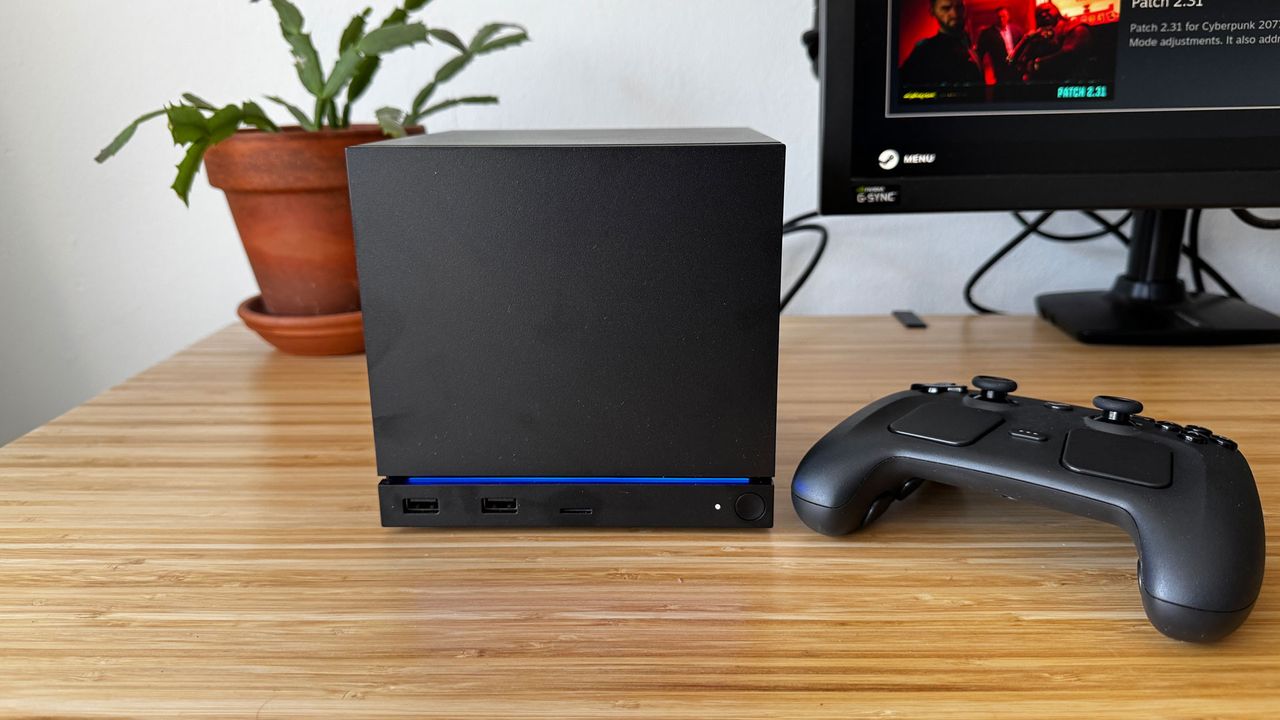
Valve engineers Pierre-Loup Griffais and Yazan Aldehayyat recently sat down with Tom's Hardware for an in-depth interview concerning the Steam Deck. The discussion covered a range of critical aspects of the handheld gaming device, including its pricing strategy and the rationale behind the $1,049 cost for certain configurations. They also elaborated on the engineering decisions that led to its compact design, highlighting the trade-offs involved in creating a powerful yet portable gaming experience. Furthermore, the engineers addressed the persistent challenges posed by global component shortages, explaining how these supply chain issues have impacted production and availability. The conversation also touched upon the device's support for Windows, outlining the possibilities and limitations of running the operating system on the Steam Deck. This interview provides significant insight into the development and strategic considerations behind Valve's latest hardware venture.
The Steam Deck's development and pricing reflect the complex interplay between consumer expectations, technological capabilities, and global supply chain realities. Valve's strategic decisions regarding component sourcing and pricing, particularly at the $1,049 mark, likely aim to balance profitability with market accessibility, while also hedging against unpredictable material costs. The ongoing challenge of component shortages underscores the systemic vulnerabilities within the electronics manufacturing sector, necessitating robust and adaptable supply chain management strategies. As the industry moves further into an era defined by integrated hardware and software ecosystems, Valve's approach to platform openness, including Windows support, will be a key determinant of the Steam Deck's long-term success and its ability to foster a competitive market against established console and PC gaming platforms.
AI-generated to prompt reflection — not editorial opinion, not advice, not a statement of fact. How this works.