Van Gogh's Death: Suicide or Accidental Shooting?
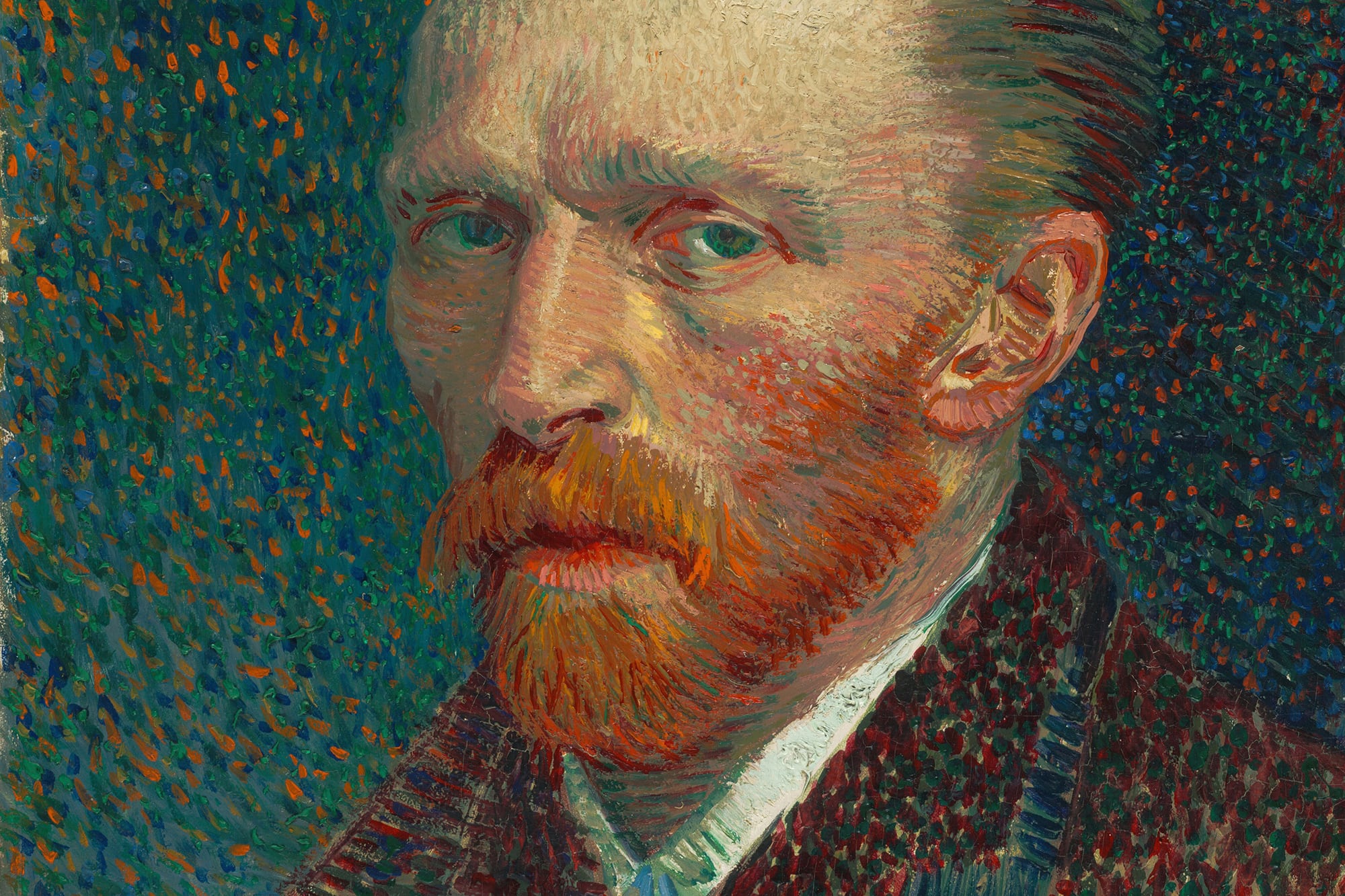
On this day in 1890, Dutch artist Vincent van Gogh died after suffering a gunshot wound to the chest. This event has historically generated more questions than definitive answers regarding its cause. Van Gogh's death occurred in Auvers-sur-Oise, France, where he had been living for the final months of his life. The prevailing theory has long been suicide, but alternative explanations suggesting an accidental shooting or even foul play have persisted. Despite extensive research and biographical accounts, the precise circumstances surrounding the incident remain a subject of debate among art historians and biographers. The ambiguity surrounding his final moments continues to fascinate and intrigue those who study his life and work. The exact nature of his death remains one of art history's enduring mysteries.
The enduring mystery surrounding Vincent van Gogh's death highlights how historical narratives can evolve and remain contested, even for figures of immense cultural significance. The persistent debate over whether his death was a suicide or an accident underscores the challenges in definitively reconstructing past events, especially when evidence is ambiguous or subject to interpretation. This situation prompts consideration of how societal perceptions and the romanticization of artistic genius might influence the acceptance of certain narratives over others. Examining the available evidence through a modern lens, considering psychological factors and the artist's documented mental health struggles alongside potential environmental or interpersonal dynamics, could offer new perspectives. The lack of a universally accepted conclusion serves as a reminder of the complexities inherent in historical inquiry and the subjective nature of truth-seeking in the absence of irrefutable proof, encouraging a nuanced understanding rather than a definitive judgment.
AI-generated to prompt reflection — not editorial opinion, not advice, not a statement of fact. How this works.