Van Gogh's Vibrant 'Summer Sun' Wheat Field Paintings
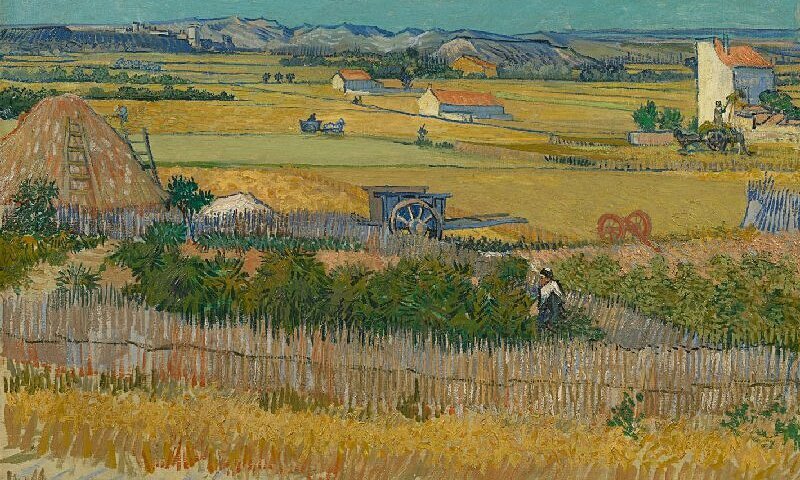
The renowned artist Vincent van Gogh captured the essence of summer in his paintings of wheat fields, created during his time in Arles, France. These works often depict the golden hues of ripe wheat bathed in the intense summer sun. Van Gogh also frequently portrayed the laborers working under the warm glow of the setting sun. His time in Arles, from February 1888 to May 1889, was a period of prolific artistic output. During this period, he produced some of his most iconic pieces, inspired by the Provençal landscape and light. The wheat fields, in particular, became a recurring motif, symbolizing nature's bounty and the cycle of life. His distinctive brushwork and vivid color palette conveyed a powerful emotional resonance, reflecting his deep connection to the natural world and the human experience within it.
Vincent van Gogh's depictions of wheat fields in Arles offer a window into the artist's engagement with nature and labor during a significant period of his career. The choice of subject matter, focusing on agricultural landscapes and workers under the summer sun, reflects broader artistic and societal interests of the late 19th century. These works can be analyzed through the lens of Impressionism and Post-Impressionism, movements that sought to capture the fleeting effects of light and color, and express subjective emotional responses to the world. Van Gogh's unique style, however, pushed these boundaries, infusing his canvases with intense personal feeling and a distinct energy. Examining these paintings today, one can consider the enduring human relationship with the land and the impact of environmental conditions on both agriculture and artistic inspiration, themes that remain relevant in the context of climate change and sustainable practices.
AI-generated to prompt reflection — not editorial opinion, not advice, not a statement of fact. How this works.