Vance vs. Rubio: The Tight Race for Trump's 2028 Presidential Succession
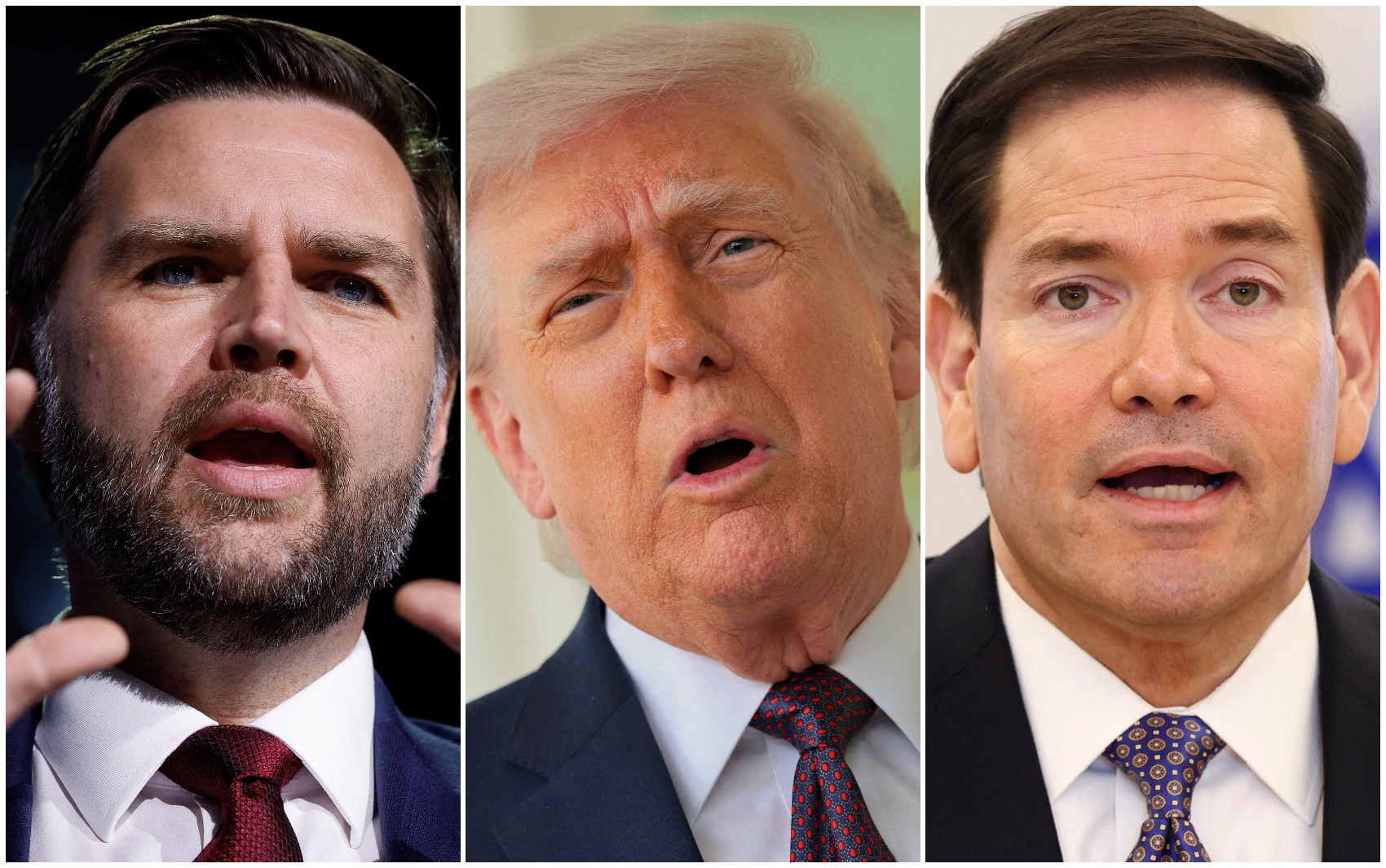
Vice President J.D. Vance and Secretary of State Marco Rubio are emerging as the leading contenders for the Republican presidential nomination in 2028, despite President Donald Trump's public show of unity. Vance, initially seen as Trump's natural heir due to his younger, MAGA-aligned generation, has faced recent setbacks in diplomatic missions, including stalled negotiations with Iran and the electoral defeat of Hungarian Prime Minister Viktor Orbán after Vance's visit. His past criticisms of Trump have also been a point of contention, though he has since become a staunch defender of the MAGA agenda.
Rubio, conversely, has gained prominence through his leadership in U.S. foreign policy. The son of Cuban immigrants, Rubio has evolved from a 2016 primary rival to a close Trump ally, influencing foreign policy decisions and leading key negotiations on Venezuela and Brazil. His growing influence is recognized by major Republican donors, with billionaire Ken Griffin reportedly favoring Rubio in a potential 2028 contest. Polls show a near tie between Vance and Rubio, with Vance holding a slight edge in presidential primary polls, though Rubio has a lower rejection rate.
This internal competition highlights a division within the Republican Party: some favor Rubio's experience and pragmatism, while the MAGA wing supports Vance's less interventionist foreign policy stance. The White House has acknowledged the tension, with spokesperson Anna Kelly stating President Trump values both individuals' contributions and expertise.
The emerging contest between J.D. Vance and Marco Rubio for potential Republican leadership underscores the evolving dynamics within the party's succession planning. While President Trump's public statements aim for party cohesion, the underlying competition reflects differing strategic approaches to foreign policy and party ideology. Vance's background, rooted in the MAGA movement and a narrative of overcoming hardship, appeals to a specific base, yet his recent diplomatic challenges raise questions about his effectiveness on the global stage. Rubio's trajectory, marked by his foreign policy expertise and established political career, presents a more traditional, albeit ideologically aligned, path. The differing support bases, with some donors favoring Rubio's perceived pragmatism and others backing Vance's MAGA credentials, signal a potential ideological tug-of-war. Looking ahead, the ability of either candidate to bridge these internal divides and articulate a compelling vision for the future, particularly in the context of global technological and geopolitical shifts, will be critical for their long-term viability as potential presidential nominees.
AI-generated to prompt reflection — not editorial opinion, not advice, not a statement of fact. How this works.