Vande Bharat Train Carries Donor Heart 250km, Saving Four Lives
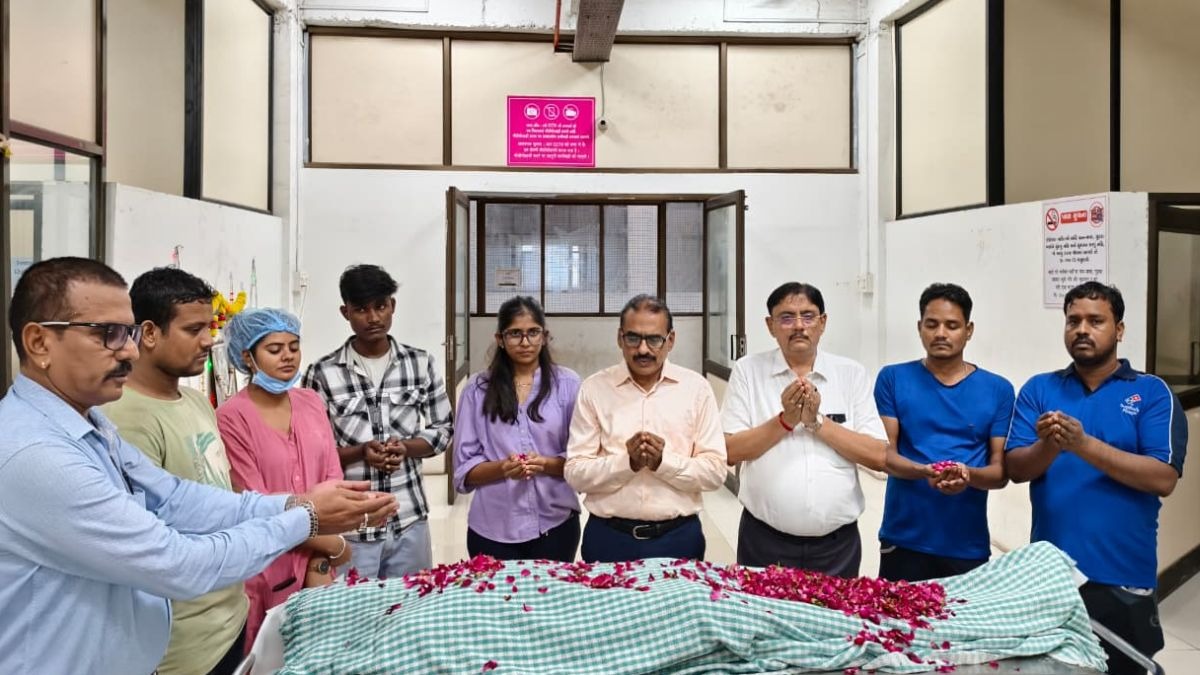
A Vande Bharat train transported a donor heart over 250 kilometers, a journey that took 217 minutes and was crucial for saving four lives. The heart, which was outside the body but still beating, represented a race against time to reach its recipients. This remarkable feat was made possible by the efforts surrounding 36-year-old Mithun Swain, who, after his passing, became a life-giver to others. His donation ensured that his heart continued to beat, bringing life to four individuals. The Vande Bharat train, in this instance, served not just as a mode of transport for passengers, but as a vessel of hope and a critical link in the chain of organ donation. Mithun Swain's legacy is now a continued heartbeat in the lives of four people, a testament to the profound impact of organ donation.
This event highlights the critical role of rapid organ transportation in saving lives, underscoring the potential of leveraging existing infrastructure like high-speed rail for medical emergencies. The logistical coordination required for such a mission demonstrates the complex interplay between healthcare systems, transportation networks, and donor families. Future advancements may involve dedicated medical transport corridors or enhanced real-time tracking systems to further optimize these life-saving journeys, reducing transit times and increasing the viability of donated organs. The system's efficiency in such critical moments is a key indicator of its overall resilience and capacity to respond to urgent medical needs.
AI-generated to prompt reflection — not editorial opinion, not advice, not a statement of fact. How this works.