Vanguard Launches 'Ginga' Mixed-Use Development in Londrina's Prochet Region
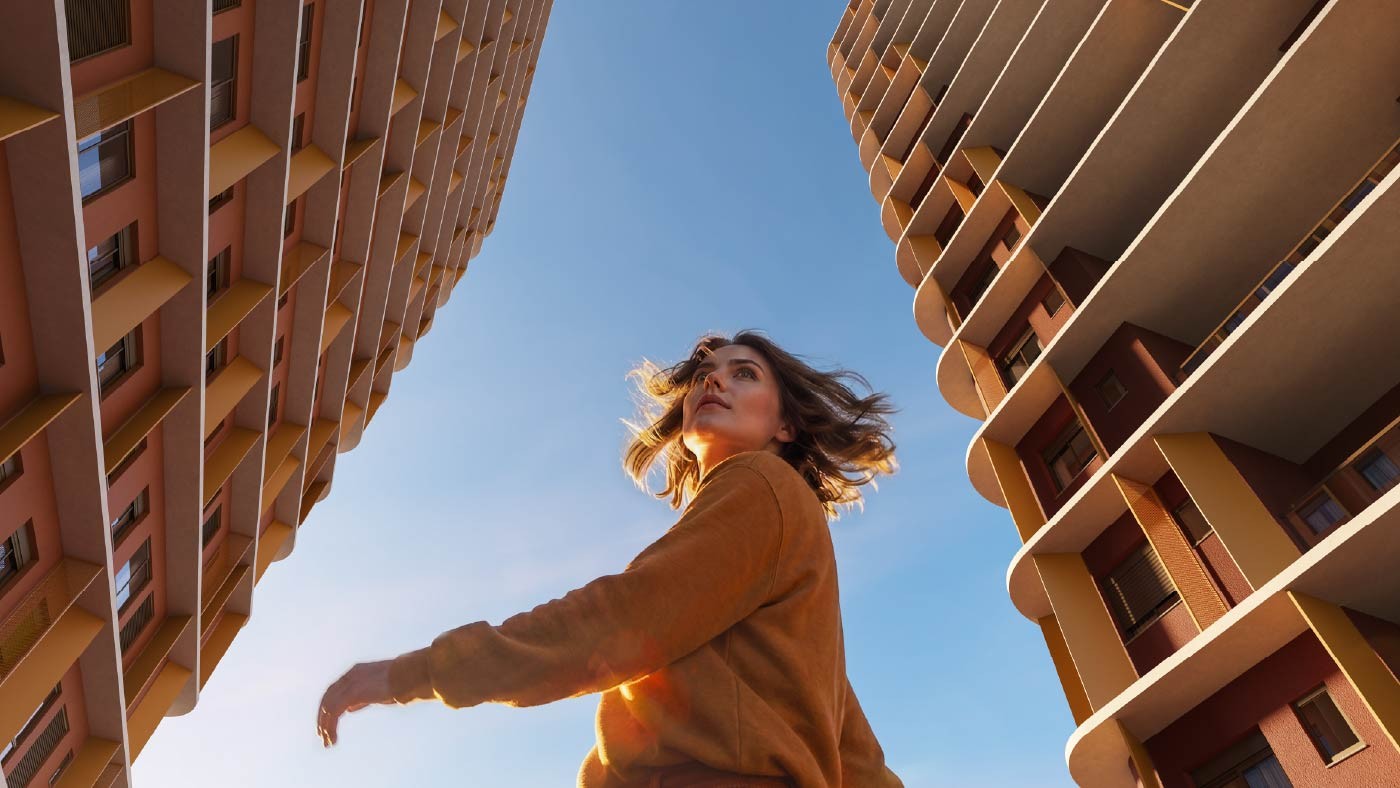
Vanguard has introduced 'Ginga,' a new mixed-use development in the Prochet region of Londrina, Brazil, designed to integrate living, working, leisure, shopping, and dining spaces. Located at the intersection of Avenida Waldemar Spranger and Rua Adhemar Pereira de Barros, the project features two towers offering apartments ranging from 65 to 100 square meters. The ground floor will host the Galeria Ginga, a commercial space intended for shops, services, restaurants, and cafes, aiming to provide residents with convenience and reduce daily commutes.
A significant aspect of Ginga is its emphasis on nature, with tropical landscaping designed by Tellini Vontobel to promote a sense of calm and outdoor living, aligning with the 'Urban Jungle' trend. Residents can enjoy amenities such as a park, a shaded resting area, an outdoor pool with a sun deck and city views, and a private pool for guests. The development also includes a recording studio, party rooms, a gym with an outdoor area, a playroom, a playground, a game room, a streetball court, a coworking space, and a pet play area.
The architectural and design teams behind Ginga include Solto Arquitetura, Tellini Vontobel for landscaping, and Superlimão for interiors, collaborating with Vanguard on previous projects like Madá. Vinicius Medeiros, Vanguard's commercial manager, highlighted the partnership with these renowned firms as crucial to delivering a project with personality, quality, and urban integration. Vanguard, celebrating 20 years in Londrina in 2026, invites interested parties to visit their decorated apartment center or contact them via WhatsApp and Instagram for more information.
The Ginga development exemplifies a growing trend in urban planning that prioritizes integrated living environments to enhance resident convenience and well-being. By combining residential, commercial, and leisure facilities, such projects aim to address the modern desire for reduced commute times and increased access to amenities. The emphasis on natural elements and communal spaces reflects a broader societal shift towards prioritizing mental health and work-life balance, particularly in the post-pandemic era. From a systemic perspective, these mixed-use developments can contribute to urban densification, potentially reducing sprawl and optimizing infrastructure use. However, their long-term success will depend on careful management of traffic flow, community integration, and the sustained economic viability of the commercial components, ensuring they truly serve the needs of both residents and the surrounding neighborhood.
AI-generated to prompt reflection — not editorial opinion, not advice, not a statement of fact. How this works.