Vanilla: The History of a Beloved Spice and Fragrance
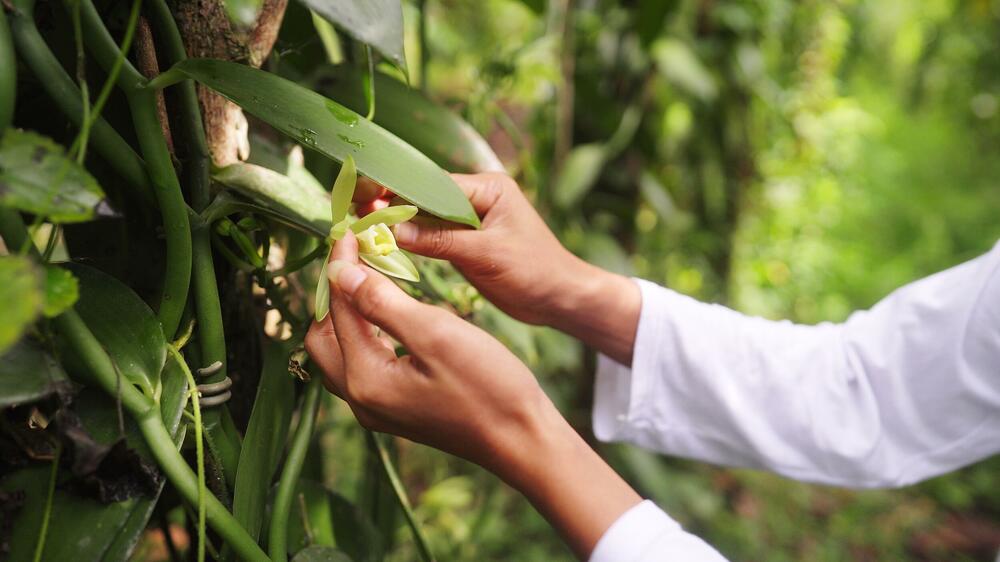
Vanilla, a plant native to the Americas, has a long and fascinating history, marked by its resistance to cultivation outside its homeland for centuries. This beloved spice and fragrance was once a wild beauty that proved difficult to domesticate. Its journey from its origins to becoming a globally cherished ingredient is a testament to human perseverance and agricultural innovation. The plant's unique characteristics and the complex process required for its cultivation and pollination contributed to its rarity and desirability. Over time, dedicated efforts were made to understand and replicate the conditions necessary for vanilla to thrive, eventually allowing its spread across the world. This historical struggle highlights the challenges and triumphs associated with bringing exotic plants into widespread cultivation and use. The story of vanilla is not just about a spice; it's about botany, history, and the global exchange of goods.
The historical difficulty in cultivating vanilla outside its native region underscores the intricate relationship between plant biology and environmental factors. This challenge, overcome through scientific understanding and dedicated agricultural practices, illustrates how human ingenuity can adapt and overcome natural limitations. As global supply chains become increasingly complex and susceptible to climate change impacts, the story of vanilla serves as a relevant case study. It prompts reflection on the resilience of food systems and the importance of biodiversity in ensuring the availability of essential commodities. Future agricultural strategies may need to increasingly focus on developing resilient cultivation methods and fostering greater understanding of plant-environment interactions to secure global access to prized resources.
AI-generated to prompt reflection — not editorial opinion, not advice, not a statement of fact. How this works.