Vanuatu Government Rejects Chiefs' Call to Replace Female MSG Leader with a Man
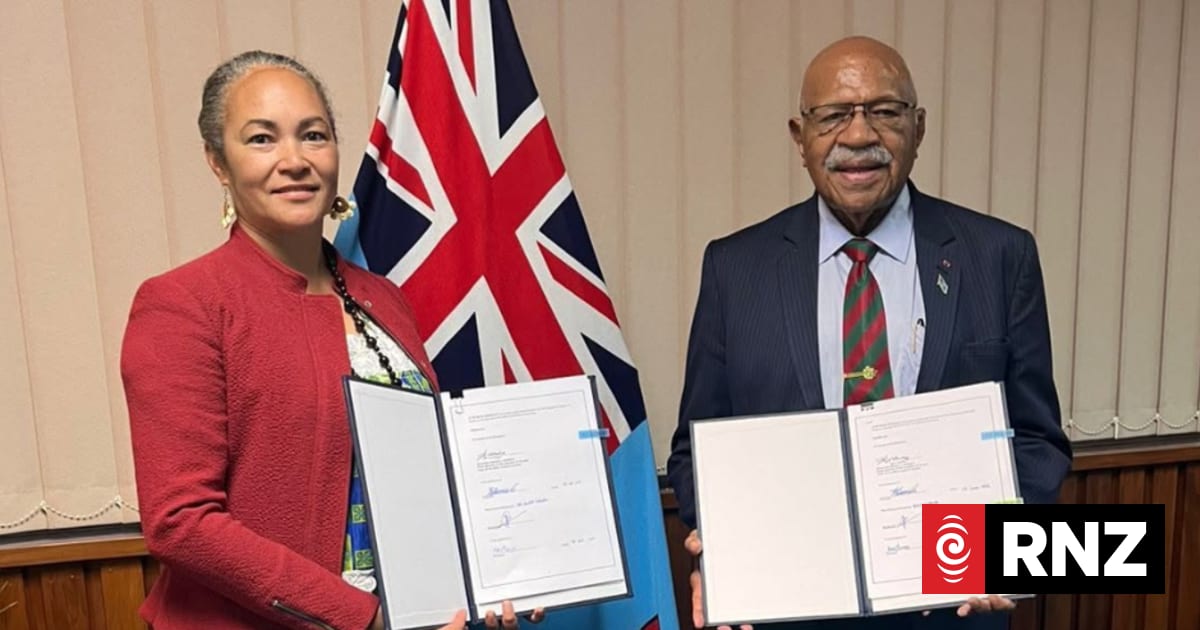
The government of Vanuatu has strongly criticized its customary leaders following reports that they are demanding the removal of the first woman appointed to head the Melanesian Spearhead Group (MSG). These traditional leaders are reportedly advocating for the position to be filled by a man instead. The government's condemnation underscores a significant clash between traditional authority and modern governance, particularly concerning gender equality in leadership roles. The MSG is a regional organization comprising Melanesian countries, focused on promoting cooperation and solidarity among its members. The appointment of a woman to lead this group marked a historical milestone, and the backlash from certain customary leaders highlights ongoing societal debates about gender roles and leadership within the region. The government's firm stance suggests a commitment to upholding the integrity of the appointment and challenging discriminatory practices. This situation raises questions about the evolving influence of traditional customs versus contemporary legal and political frameworks in Vanuatu and the wider Melanesian region.
This situation presents a conflict between traditional patriarchal customs and the advancement of gender equality in leadership, as exemplified by the appointment of the first female head of the Melanesian Spearhead Group. The reported demand by Vanuatu's customary leaders to replace her with a man reflects a resistance to evolving societal norms and institutional progress. The government's condemnation signals a potential shift towards prioritizing merit-based and gender-inclusive leadership over entrenched traditional hierarchies. This dynamic highlights a broader challenge faced by many nations: reconciling historical cultural practices with contemporary principles of fairness and representation. The outcome could influence future leadership appointments within regional bodies and set a precedent for addressing similar cultural-political tensions in the coming decade, particularly as global emphasis on diversity and inclusion intensifies.
AI-generated to prompt reflection — not editorial opinion, not advice, not a statement of fact. How this works.