Vapes Seized Near School in Várzea Grande, Brazil
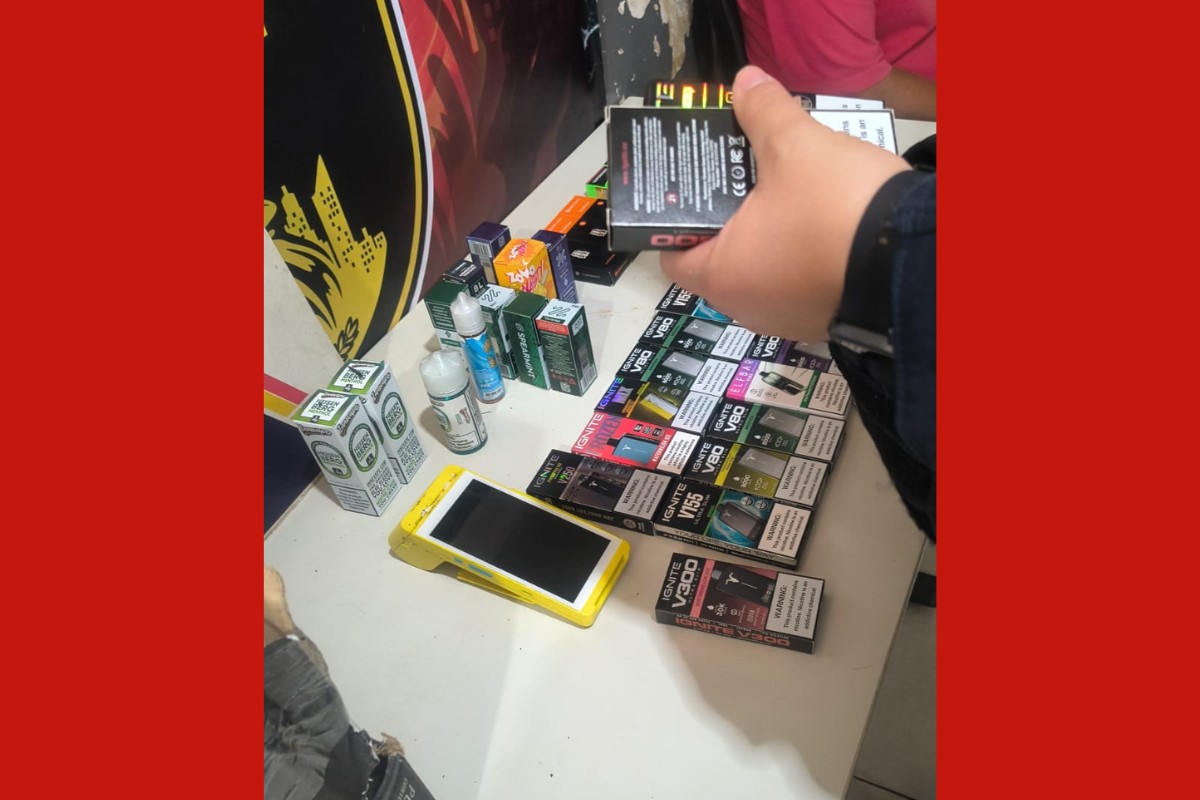
Authorities in Várzea Grande, Mato Grosso, Brazil, seized 67 electronic cigarettes, commonly known as vapes, during a traffic stop conducted in front of the Fernando Leite State School on Friday, May 31st. The operation occurred during a routine patrol on Alzira Santana Avenue when municipal guards observed a motorcyclist riding on the sidewalk, violating traffic regulations. Upon inspection, the guards discovered the large quantity of vaping devices, along with a card reader and a mobile phone. The individual apprehended stated he was waiting for a friend near the school. The seized items were confiscated, and the suspect was taken to the Várzea Grande Central Police Station. The incident is being investigated by the Civil Police for alleged smuggling and endangering life or health. The sale, importation, and advertising of e-cigarettes are prohibited in Brazil by the National Health Surveillance Agency (Anvisa), as these devices lack official registration for sale in the country. Health experts warn that vapes can contain high levels of nicotine and other addictive chemicals, increasing the risk of respiratory and cardiovascular diseases and negatively impacting brain development, particularly in adolescents and young adults. The Municipal Guard has pledged to continue increased preventive patrols near educational institutions to address illicit activities and enhance local safety.
This incident highlights the ongoing enforcement challenges surrounding the prohibition of electronic cigarettes in Brazil, particularly near educational institutions. The seizure of 67 vapes suggests a potential black market operation catering to a demand that official channels are unable to meet due to regulatory bans. The legal framework, established by Anvisa, aims to protect public health, especially vulnerable youth, from the known risks associated with these devices, including nicotine addiction and potential long-term health consequences. The Civil Police's investigation into smuggling and endangerment charges underscores the seriousness with which such activities are being treated. Future public health strategies may need to consider the effectiveness of current bans versus harm reduction approaches, while law enforcement will likely continue to focus on interdiction efforts, especially in sensitive locations like schools.
AI-generated to prompt reflection — not editorial opinion, not advice, not a statement of fact. How this works.