VAR Controversy at World Cup 2026: Debates Over Technology's Impact
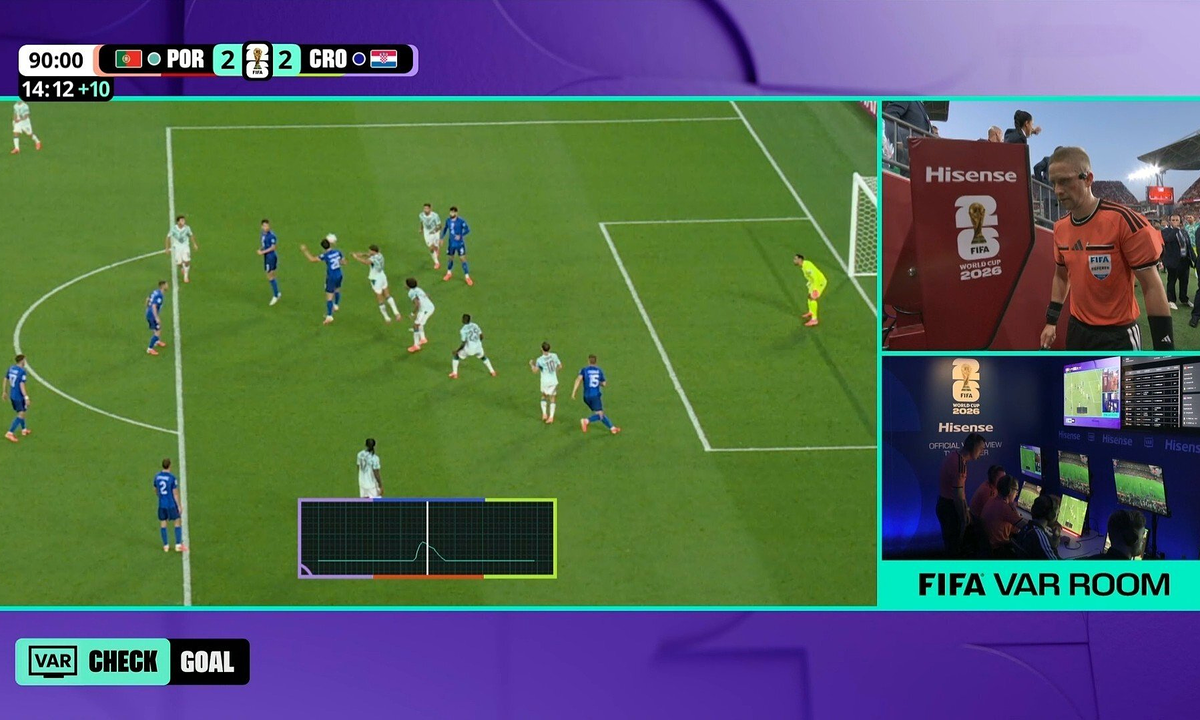
The implementation of Video Assistant Referee (VAR) technology at the 2026 World Cup aims to enhance the accuracy of referee decisions on the field. However, this technological integration has sparked considerable debate among fans and experts alike. Critics argue that while VAR contributes to more precise calls, it simultaneously diminishes the emotional spontaneity and excitement of football matches. The technology's role in slowing down the game and interrupting the flow of play is a central point of contention. This has led to discussions about whether the pursuit of perfect accuracy comes at the cost of the sport's inherent drama and fan engagement. The ongoing controversy highlights a fundamental tension between technological advancement and the traditional spirit of football.
The integration of VAR in major football tournaments like the 2026 World Cup presents a classic dilemma between precision and passion. While technological aids promise to reduce human error, potentially leading to fairer outcomes, they can also disrupt the organic flow and emotional resonance that define sports for many spectators. The current debate suggests a need to re-evaluate the optimal balance, considering how technology can serve the game without fundamentally altering its appeal. Future iterations might explore less intrusive methods or clearer protocols to mitigate the perceived 'death of emotion,' ensuring that technological progress aligns with the evolving expectations of fans and the core identity of the sport.
AI-generated to prompt reflection — not editorial opinion, not advice, not a statement of fact. How this works.