VAR Rule Change Explains Embolo's Controversial Red Card in Argentina vs. Switzerland Match
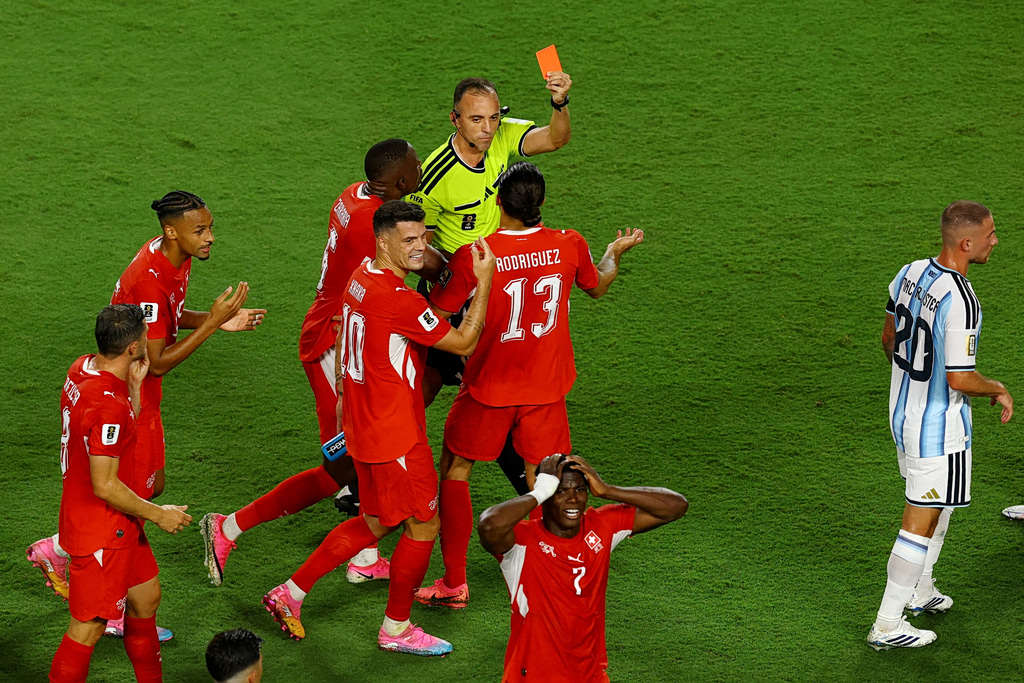
A recent change to the Video Assistant Referee (VAR) regulations has shed light on the controversial red card issued to Breel Embolo during the 2026 World Cup quarter-final match between Argentina and Switzerland. The incident occurred in the 72nd minute with the score tied at 1-1. Portuguese referee João Pinheiro initially awarded a foul in favor of Switzerland before VAR intervention led to Embolo's expulsion. The specific VAR rule that influenced this decision has now been clarified, addressing the confusion and strong reactions that followed the match. This clarification aims to provide transparency regarding the application of VAR technology in high-stakes football games. The debate surrounding the decision highlights ongoing discussions about the impact of technology on refereeing and the fairness of football matches. The precise nature of the rule change and its implications for future games are now under scrutiny by football analysts and fans alike. The incident underscores the critical role VAR plays in modern football and the need for clear, consistent application of its protocols.
The clarification of VAR regulations following the controversial red card incident involving Breel Embolo offers an opportunity to examine the evolving integration of technology in sports officiating. This event underscores the delicate balance between leveraging advanced systems for accuracy and maintaining the organic flow and human element of competition. As VAR systems become more sophisticated and their rules refined, their impact on game outcomes and player conduct warrants ongoing scrutiny. Future considerations should focus on ensuring algorithmic transparency and establishing robust appeals processes to mitigate potential biases or misinterpretations, thereby fostering greater trust and consistency in global sporting events.
AI-generated to prompt reflection — not editorial opinion, not advice, not a statement of fact. How this works.