Vardar Coach Fabiani Cites First Goal Conceded as Turning Point in 2-0 Loss
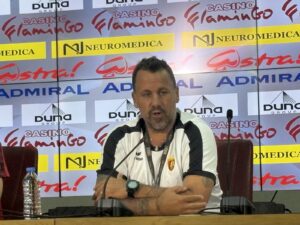
Vardar's head coach, Christian Fabiani, attributed the team's 2-0 defeat against KuPS to player errors, singling out the first goal conceded as the most critical moment. Fabiani stated that until that point, his team had been playing well and creating scoring opportunities. However, after the initial goal, the match's trajectory shifted negatively, leading to the final outcome. The coach's remarks suggest a belief that the team's performance was negatively impacted by a lapse in concentration or a significant mistake following a period of effective play. This perspective highlights the psychological impact of conceding a goal, particularly in a competitive match where momentum can be crucial. The team's inability to recover after the first setback ultimately proved decisive in the encounter.
The post-match commentary from Coach Fabiani frames the loss as a consequence of individual player errors, specifically highlighting the first goal conceded. This perspective, while common in sports, can sometimes obscure deeper systemic issues within team performance, such as tactical rigidity, inadequate preparation for specific opponent strategies, or insufficient depth in the squad. Focusing solely on the "first goal" as the pivotal moment might overlook the underlying factors that made conceding that goal so impactful. Future performance could be enhanced by analyzing the team's resilience and adaptability following setbacks, rather than solely focusing on the initial error. Understanding the team's response to adversity and refining strategies to maintain composure and effectiveness under pressure will be key to improving long-term results.
AI-generated to prompt reflection — not editorial opinion, not advice, not a statement of fact. How this works.